
All Categories

  • Carrier Grade NAT vs. Public IP: What’s Best for Business?

    Carrier-grade NAT and public IPs both play important roles in modern business networking, but choosing the right option depends on scalability, security, remote access, and performance needs. This blog explains the differences between shared NAT environments and dedicated public IP deployment, including their impact on VPN stability, VoIP communication, cloud infrastructure, and enterprise connectivity. It also highlights how flexible solutions like a custom data pool and Voye Data Pool can support growing businesses with smarter bandwidth and connectivity management.


  • Why “Unlimited” Data Plans Aren’t Always the Best Choice?

    Unlimited data plans may appear convenient, but they often include hidden costs, throttling policies, and unnecessary features that increase monthly telecom expenses. This blog explains why businesses and consumers are shifting toward smarter data strategies, including pooled and flexible plans that improve cost efficiency, resource allocation, and network performance. Learn how analyzing actual usage patterns can help users make financially smarter mobile connectivity decisions while maintaining reliable and scalable access for both personal and professional needs.

  • The Future of Business Roaming: Trends to Watch

    The future of business roaming is being shaped by eSIM technology, AI-driven automation, IoT connectivity, private 5G, and advanced telecom infrastructure. Businesses are adopting scalable and secure roaming solutions to support global operations, remote teams, and connected devices. From custom data pool models to intelligent network optimization, enterprises are prioritizing flexible connectivity strategies that improve operational efficiency, reduce roaming costs, and enhance international communication across rapidly evolving digital ecosystems.

  • Support for iPhone, Android, and Tablets: Device Compatibility

    Supporting iPhone, Android, and tablets requires a strategic approach that balances performance, security, and seamless user experience. This blog explains how IT teams can manage cross-platform environments, overcome fragmentation, and ensure consistent application behavior. It highlights the importance of data-driven infrastructure, including the use of a custom data pool and Voye Data Pool, to maintain synchronization and reliability. With evolving user expectations, organizations must focus on proactive support, unified data systems, and strong device compatibility to enable efficient mobile operations.

  • Converting Your Fleet from Plastic SIMs to eSIMs

    Fleet connectivity is evolving rapidly as businesses shift to smarter, scalable solutions. The move to convert SIM to eSIM helps fleet managers improve operational efficiency, reduce downtime, and gain better control over data usage. With features like remote provisioning, multi-network access, and integration with a custom data pool and Voye Data Pool, fleets can streamline connectivity management. This transition supports cost optimization, enhances security, and prepares fleet operations for future technologies and expansion across regions with seamless network performance.

  • The Best Business Data Plans for Travel to Dubai & UAE

    Business travelers visiting Dubai and the UAE need reliable connectivity to stay productive and connected. This guide explains the best business data plans, including roaming, local SIMs, eSIM solutions, and enterprise options with a custom data pool. It also highlights how Voye Data Pool supports seamless connectivity across teams and locations. With a focus on cost efficiency, flexibility, and performance, this blog helps professionals choose the right Internet in Dubai solution for uninterrupted business operations.

  • Roaming in Europe: Navigating Data Post-Brexit

    Roaming in Europe after Brexit requires a more strategic approach to mobile connectivity, especially for business travelers. With changing regulations, inconsistent pricing, and varying network performance, managing data efficiently has become essential. This blog outlines key challenges, cost considerations, and modern solutions such as eSIM and custom data pool systems. It also highlights how Voye Data Pool simplifies cross-border connectivity, ensuring reliable, secure, and cost-effective internet access for professionals traveling across multiple European destinations.

  • How to Get Internet in China With VPN Support?

    Staying connected in China requires a strategic approach that combines reliable internet access with secure VPN support. This guide explains how business travelers can navigate restrictions using modern solutions like eSIM and shared connectivity models. With the integration of China VPN eSIM, professionals can ensure uninterrupted access to global tools while maintaining data security. It also highlights the role of custom data pool systems and Voye Data Pool in simplifying connectivity management for teams operating in China.

  • Business Travel Guide to the USA: Roaming Solutions

    Business travel in the United States requires reliable and efficient connectivity to maintain productivity and communication. This guide highlights essential USA business roaming solutions, helping professionals choose the right option for seamless data access, cost control, and secure usage. It also explains how modern approaches like eSIM and custom data pool models improve flexibility for organizations. With Voye Data Pool, businesses can optimize roaming strategies and ensure uninterrupted connectivity throughout their travel experience.

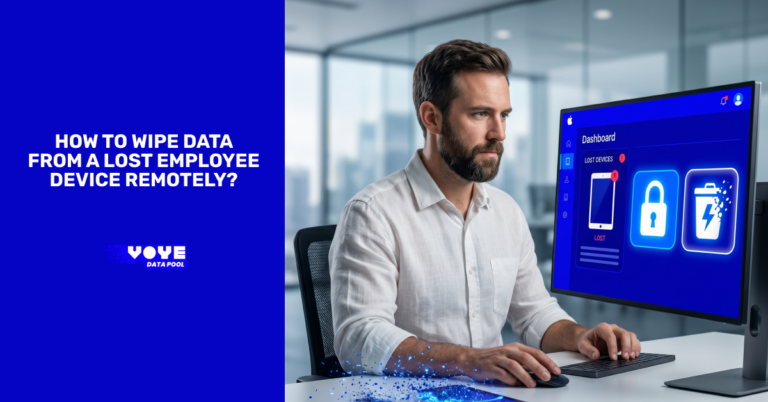
  • How to Wipe Data from a Lost Employee Device Remotely?

    Losing an employee’s device can expose critical business data if not handled quickly and effectively. This guide outlines how organizations can remotely wipe lost devices, reduce security risks, and maintain control over sensitive information. It emphasizes the importance of strong endpoint management, encryption, and centralized data strategies like custom data pools. With the right preparation and tools in place, security leaders can ensure that even when devices are lost, business data remains protected, compliant, and inaccessible to unauthorized users.