


Best Places for Productive and Relaxing Corporate Retreats
Corporate retreats are no longer just getaways — they are essential investments in creativity, collaboration, and well-being. The right location can transform company culture, align leadership goals, and inspire innovation. From serene mountain lodges to oceanfront resorts, this guide explores destinations that balance productivity with relaxation. Learn how to choose the perfect retreat setting, plan an impactful agenda, and build meaningful team connections that last long after the trip ends.


 9 min read
 Share
Share
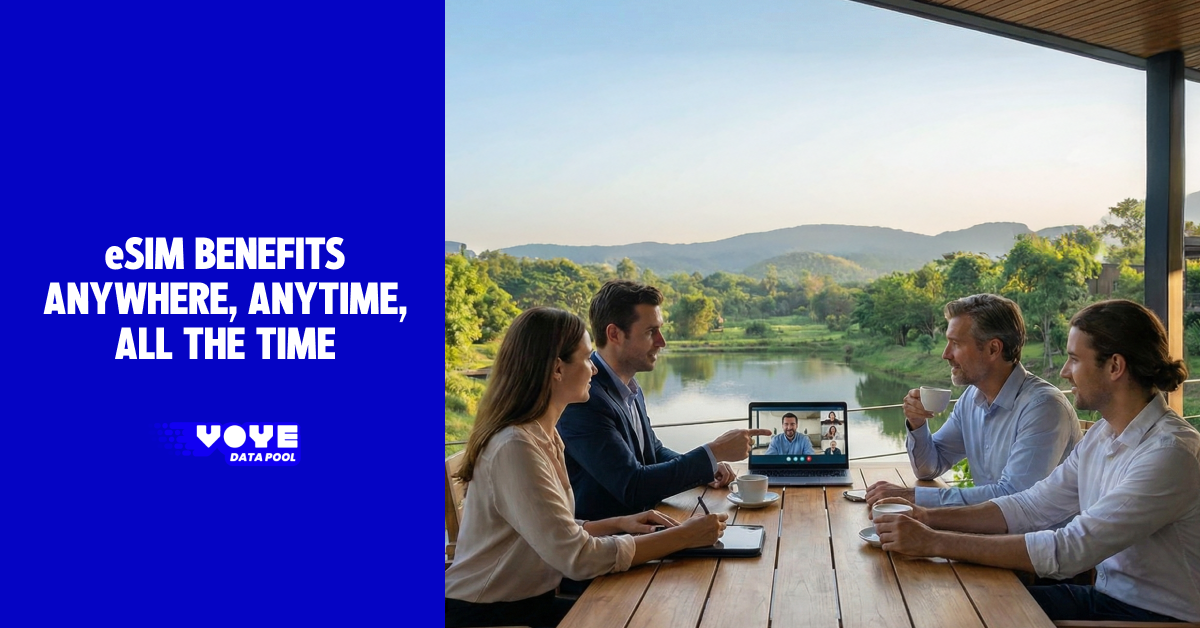
Corporate retreats have evolved far beyond a luxury weekend getaway. In today’s fast-moving business environment, they’ve become strategic tools for aligning teams, re-energizing leadership, and driving creativity. The best retreats blend productivity with relaxation, giving employees the space to think clearly, connect authentically, and return to work inspired.
According to several HR and leadership studies, retreats can increase employee engagement by up to 30% and improve long-term team performance. But the true impact depends on where you host them. A peaceful mountain lodge may be perfect for strategy discussions, while a beach resort could be better for morale and mindfulness.
In this detailed guide, we’ll explore the best destinations for productive and relaxing corporate retreats, the factors to consider when choosing one, and real examples of what makes each location special.
Why Corporate Retreats Matter More Than Ever
Before exploring destinations, it’s essential to understand why retreats matter.
- Reconnecting remote or hybrid teams: Retreats help rebuild personal connections and improve communication.
- Encouraging creativity: Changing environments often sparks new ideas that office settings suppress.
- Reducing burnout: Relaxed settings help employees reset mentally and physically.
- Aligning leadership and values: Shared off-site time promotes unified decision-making and culture.
- Improving retention: Employees who feel valued through meaningful experiences are more loyal.
The right retreat creates a ripple effect of motivation, innovation, and engagement across your organization.
What Makes a Retreat Location Ideal
1. Balance of Focus and Freedom
The best retreat venues balance structured sessions with moments of freedom. A rigid schedule or over-programming defeats the purpose. Look for destinations that allow work in the morning and exploration in the afternoon.
2. Work-Friendly Infrastructure
Business must still run smoothly during a retreat. The venue should offer:
- High-speed internet and strong Wi-Fi coverage
- AV-equipped meeting rooms with projectors, microphones, and whiteboards
- Ergonomic seating for long sessions
- Quiet breakout spaces for brainstorming
3. Wellness and Relaxation Opportunities
A change of environment should promote well-being. Look for:
- On-site spas, nature trails, or pools
- Meditation areas or yoga studios
- Access to nature or ocean views
- Activities like cycling, kayaking, or guided hikes
4. Accessibility and Travel Time
Choose a location that feels like an escape but doesn’t exhaust your team getting there. Proximity to major airports, visa convenience, and reliable local transport are crucial.
5. Sustainability and Local Culture
Modern teams appreciate sustainability. Eco-friendly resorts or locally run venues show your brand’s environmental and social responsibility. Integrating local food, art, and culture deepens the retreat experience.
6. Budget Transparency
A good retreat doesn’t need to be extravagant. Focus on value, high-quality amenities, inclusivity, and meaningful activities, not unnecessary luxury.
Key Factors Before Choosing a Destination
| Factor | Description | Importance |
|---|---|---|
| Objective | Define whether the focus is strategy, bonding, or wellness | Core |
| Team Size | Affects accommodation and activity planning | High |
| Duration | Three to five days is ideal for most corporate retreats | High |
| Budget | Include travel, food, space, and contingency | Core |
| Season and Weather | Choose mild seasons to ensure comfort | Medium |
| Cultural Relevance | Reflects your company’s tone and personality | Medium |
Top Categories of Corporate Retreat Destinations
1. Nature and Wilderness Retreats
Best for: Leadership alignment, creative thinking, and deep team bonding
Nature-based retreats disconnect teams from daily stress, inspiring perspective and focus. The calm surroundings encourage openness and reflection.
Top Destinations:
- Banff, Canada: Surrounded by the Rockies, ideal for leadership summits with hiking and outdoor workshops.
- Aspen, Colorado (USA): Luxury lodges with panoramic mountain views and modern meeting rooms.
- Lake District, UK: Lakeside estates offering peace, adventure trails, and charming local hospitality.
- Queenstown, New Zealand: Combines adventure with serene lakeside resorts.
Why It Works:
Natural settings reduce stress, encourage mindfulness, and improve decision-making. Studies show that time in nature enhances creativity by up to 50 percent.
2. Wellness and Mindfulness Retreats
Best for: Mental rejuvenation, combating burnout, and reconnecting teams
Wellness retreats focus on balance, blending structured work with health-focused activities.
Top Destinations:
- Ubud, Bali: Known for yoga, meditation, and organic cuisine, with resorts designed for mindfulness.
- Sedona, Arizona (USA): Red rock scenery, spiritual atmosphere, and rejuvenating spas.
- Chiang Mai, Thailand: Affordable luxury with spa treatments and peaceful surroundings.
- Kerala, India: Ayurvedic resorts offering personalized wellness programs with beach or backwater views.
Why It Works:
A focus on well-being fosters gratitude, emotional connection, and reduced stress, all vital for creative thinking and productivity.
3. Urban and Hybrid Retreats
Best for: Innovation workshops, strategic off-sites, and executive meetings
Urban retreats give teams access to culture, business infrastructure, and world-class meeting facilities while still allowing downtime.
Top Destinations:
- Lisbon, Portugal: Great weather, coworking venues, and coastal escapes within reach.
- Austin, Texas (USA): Tech-friendly and culturally vibrant, perfect for creative strategy sessions.
- Singapore: Clean, efficient, and well-equipped for multinational gatherings.
- Berlin, Germany: Ideal for startups with creative energy and innovation spaces.
Why It Works:
Teams stay connected to the pulse of innovation while still accessing leisure and networking opportunities.
4. Seaside and Island Escapes
Best for: Reward trips, creative brainstorms, and cross-departmental bonding
Ocean views and salt air naturally boost dopamine and focus. Retreats by the sea combine leisure with light strategic sessions.
Top Destinations:
- Maui, Hawaii (USA): World-class resorts with ocean-view meeting rooms and water sports.
- Santorini, Greece: Breathtaking sunsets and serene venues for reflection and planning.
- Phuket, Thailand: Affordable luxury resorts with tailored corporate packages.
- Maldives: Overwater villas and private beaches for exclusive executive retreats.
Why It Works:
Seaside environments reduce stress, encourage connection, and offer endless activity options from snorkeling to sailing.
5. Countryside and Vineyard Retreats
Best for: Executive think tanks and team bonding
Countryside settings offer privacy and peace, ideal for focused discussions and relaxation.
Top Destinations:
- Tuscany, Italy: Wine estates with private villas, cooking classes, and farm-to-table dining.
- Napa Valley, California (USA): Vineyard resorts perfect for leadership teams.
- Provence, France: Charming countryside with world-class cuisine and scenic venues.
- Cape Winelands, South Africa: Excellent for affordable luxury and nature immersion.
Why It Works:
Vineyards and countryside retreats evoke a sense of calm while providing all essentials for collaboration.
6. International Cultural Destinations
Best for: Global teams, multicultural alignment, and inspiration
Exposing teams to new cultures broadens perspective and builds global awareness, a crucial trait in international business.
Top Destinations:
- Barcelona, Spain: Combines architecture, food, and modern coworking spaces.
- Dubai, UAE: Ultra-modern facilities, desert adventures, and excellent hospitality.
- Tokyo, Japan: Precision, culture, and cutting-edge meeting spaces.
- Marrakech, Morocco: Unique blend of tradition and luxury with exotic energy.
Why It Works:
Immersing teams in new cultures encourages empathy, curiosity, and adaptive thinking.
Planning the Perfect Corporate Retreat
1. Define Clear Objectives
Before booking, answer:
- What outcomes are you hoping for?
- What’s the tone, serious, creative, or restorative?
- Who should attend, executives, cross-functional teams, or the entire company?
Clarity prevents wasted time and ensures measurable results.
2. Choose the Right Duration
Most successful retreats last three to five days, enough to balance deep work and rest.
Shorter may feel rushed, longer can become unproductive.
3. Create an Engaging Agenda
A well-designed schedule should look like:
- Morning: Strategy sessions and workshops
- Afternoon: Team-building activities or personal downtime
- Evening: Informal networking, dinners, or cultural excursions
Avoid packing every hour. Downtime sparks organic conversations and ideas.
4. Incorporate Local Experiences
Engage with the destination. Activities like cooking classes in Tuscany, surf lessons in Bali, or vineyard tours in Napa help teams connect naturally and appreciate shared experiences.
5. Build Inclusivity
Consider accessibility, dietary needs, and comfort for all participants. Provide both extrovert and introvert-friendly activities, from group challenges to quiet reflection options.
6. Manage Logistics Professionally
Assign an internal or external retreat planner to handle:
- Flights and transfers
- Venue contracts
- Room allocations
- Event materials and tech setup
- Meal coordination
Flawless logistics allow participants to focus on purpose, not planning.
Measuring Retreat Success
Every retreat should have post-event metrics to measure ROI. Consider evaluating:
- Employee satisfaction
- Clarity of goals and next steps
- Collaboration improvement
- Creative ideas generated or implemented post-retreat
- Team engagement and retention metrics
Send a “Retreat Impact Survey” two weeks after the event to capture insights while experiences are fresh.
Common Mistakes to Avoid
- Overloading the schedule, leaving no time for rest
- Choosing aesthetics over functionality
- Ignoring accessibility or inclusivity
- Skipping follow-up plans
- Neglecting diverse activity preferences
Sample Retreat Destination Matrix
| Objective | Ideal Location Type | Example Destination | Highlights |
|---|---|---|---|
| Strategic Planning | Urban | Lisbon, Portugal | Great infrastructure and leisure options |
| Team Bonding | Wilderness | Banff, Canada | Adventure and nature focus |
| Wellness Reset | Spa Resort | Ubud, Bali | Yoga, meditation, and relaxation |
| Cross-Regional Alignment | International | Dubai, UAE | Global access and luxury |
| Innovation and Creativity | Seaside | Maui, Hawaii | Scenic and inspiring setting |
| Executive Think Tank | Countryside | Tuscany, Italy | Private, luxurious, and serene |
Budget Planning Framework
When budgeting, break expenses into clear categories:
- Travel and Transfers
- Accommodation
- Meals and Beverages
- Venue and Equipment
- Activities and Entertainment
- Contingency (10 percent)
Average Costs (Per Person):
- Domestic Retreat (3 days): $600–$1,000
- International Retreat (5 days): $1,200–$2,500
- Luxury or Exclusive Retreat: $3,000 and above
Sustainability in Corporate Retreats
Modern corporate values increasingly emphasize sustainability and social responsibility. When choosing destinations:
- Select eco-certified hotels or resorts
- Support local businesses and artisans
- Minimize waste with digital materials
- Offset carbon from flights
A sustainable retreat aligns with employee values and strengthens brand reputation.
Final Checklist Before You Book
- Define purpose and expected outcomes
- Set timeline and budget
- Shortlist destinations and compare pros and cons
- Confirm accessibility and inclusivity
- Design balanced agenda
- Integrate local experiences
- Plan post-retreat actions and follow-up
Conclusion
A great corporate retreat is far more than a change of scenery. It’s an investment in your people, culture, and innovation. The ideal destination should inspire productivity, nurture creativity, and promote relaxation.
Whether it’s a mountain lodge in Banff, a wellness resort in Bali, a vineyard in Tuscany, or a creative hub in Lisbon, the key is alignment between place, purpose, and people.
When done right, your retreat becomes a turning point for your organization, sparking new ideas, deepening relationships, and restoring energy for future challenges.
Choose wisely, plan thoughtfully, and watch your team return stronger, happier, and more connected than ever.

Seamless eSIM Connectivity for Enterprises
Activate, manage, and scale eSIMs with ease.