Get 5% Discount using the code VOYE15 Buy eSIM close

Embedded SIM Tech: The Future of Laptop Connectivity

Embedded SIM technology is transforming how enterprises manage laptop connectivity by eliminating physical SIM dependency and enabling remote provisioning. It offers IT procurement teams greater flexibility, cost control, and scalability across global operations. When combined with solutions like a custom data pool and Voye Data Pool, organizations can optimize data usage and streamline connectivity management. This approach supports hybrid work environments, enhances security, and ensures uninterrupted access, making it a future-ready solution for modern, distributed enterprises.

Voye Data Pool Team
April 14, 2026 dot Read 7 min read
share Share
Embedded SIM Tech: The Future of Laptop Connectivity

Reliable, flexible connectivity has become a non-negotiable requirement for modern enterprises. As distributed workforces, hybrid offices, and global operations expand, IT procurement leaders are under increasing pressure to deliver seamless connectivity solutions that are secure, scalable, and easy to manage. Traditional SIM cards, while functional, often fall short in addressing these evolving needs.

Embedded SIM technology is rapidly emerging as a transformative solution for laptop connectivity. By eliminating the need for physical SIM cards and enabling remote provisioning, it opens up new possibilities for operational efficiency, cost optimization, and global connectivity management.

Understanding Embedded SIM Technology

A modern approach to device connectivity that replaces physical SIM dependency with remote, software-driven network management.

What Is an Embedded SIM?

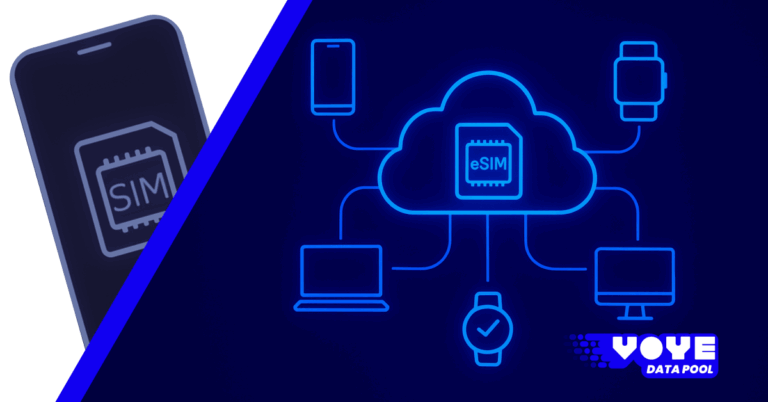
An embedded SIM, commonly referred to as eSIM, is a programmable SIM that is built directly into a device’s hardware. Unlike traditional SIM cards that require physical insertion and replacement, an eSIM allows network profiles to be downloaded and managed remotely.

Key Characteristics

  • Integrated directly into the device motherboard
  • Supports remote SIM provisioning
  • Enables multiple carrier profiles
  • Eliminates the need for physical SIM swaps
  • Enhances device durability and design flexibility

How does it work?

Embedded SIM technology operates through a secure platform that allows IT teams or service providers to remotely provision and manage carrier profiles. This means laptops can connect to different networks without requiring manual intervention.

Why Laptop Connectivity Needs an Upgrade?

Growing demands for seamless, always-on connectivity are pushing enterprises to rethink traditional network solutions for laptops.

Limitations of Traditional SIM-Based Connectivity

Traditional connectivity methods create several challenges for IT procurement teams:

  • Physical SIM distribution and management across locations
  • High roaming charges for international operations
  • Delays in activation and provisioning
  • Limited flexibility in switching carriers
  • Increased operational overhead

The Shift Toward Always-Connected Devices

Modern enterprises require laptops that are always connected, regardless of location. With cloud-based applications, video conferencing, and real-time collaboration tools becoming essential, connectivity gaps can directly impact productivity and business continuity.

Benefits of Embedded SIM for IT Procurement

Embedded SIM technology enables IT teams to streamline connectivity management while improving flexibility, control, and cost efficiency across global operations.

Simplified Device Deployment

With embedded SIM, laptops can be shipped globally without the need to install SIM cards locally. Devices can be activated remotely, reducing deployment timelines significantly.

Centralized Connectivity Management

IT teams gain access to centralized dashboards where they can:

  • Monitor data usage
  • Switch carriers
  • Allocate plans
  • Control costs

This level of control enhances visibility and reduces manual intervention.

Cost Optimization

Embedded SIM enables dynamic carrier selection, allowing organizations to choose the most cost-effective network based on location. This reduces reliance on expensive roaming plans.

Enhanced Security

  • No physical SIM reduces the risk of theft or misuse
  • Secure provisioning protocols protect data
  • Remote deactivation ensures a quick response to device loss

Scalability for Growing Enterprises

As organizations expand, managing connectivity across regions becomes complex. Embedded SIM simplifies scaling by allowing remote provisioning across multiple geographies without logistical challenges.

The Role of Global Connectivity in Enterprise Strategy

Seamless global connectivity has become a foundational element for enterprises aiming to maintain productivity, agility, and competitive advantage.

Supporting Hybrid Work Models: Employees today work from multiple locations, including home, office, and while traveling. Embedded SIM ensures uninterrupted connectivity across all environments.

Enabling International Operations: For companies with global footprints, connectivity consistency is critical. Embedded SIM removes dependency on local carriers and enables seamless global access.

Driving Digital Transformation: Connectivity is the backbone of digital transformation initiatives. Whether it is cloud adoption, remote collaboration, or IoT integration, reliable connectivity ensures smooth execution.

Integration with Data Pooling Solutions

Combining connectivity with intelligent data management allows enterprises to maximize efficiency and control over network usage.

What Is a Custom Data Pool?

A custom data pool allows organizations to aggregate data usage across multiple devices and users under a single plan. This ensures efficient utilization of data and avoids wastage.

Benefits of Data Pooling

  • Shared data across devices reduces unused capacity
  • Predictable billing and cost control
  • Flexibility in allocation based on usage patterns
  • Reduced administrative overhead

Embedded SIM and Data Pool Synergy

When combined with a custom data pool, embedded SIM technology creates a powerful connectivity ecosystem. IT teams can dynamically allocate data where it is needed most, ensuring optimal usage and cost efficiency.

Voye Data Pool: Enhancing Connectivity Management

A centralized approach to data usage ensures better visibility, control, and optimization across enterprise connectivity ecosystems.

What Is Voye Data Pool?

Voye Data Pool is a centralized connectivity solution designed to complement embedded SIM-enabled devices. It provides enterprises with a unified platform to manage global data usage efficiently.

Key Features

  • Centralized data management dashboard
  • Real-time usage tracking
  • Flexible allocation across users and devices
  • Multi-network support for global coverage
  • Cost optimization through intelligent routing

Strategic Advantages for IT Procurement

By integrating Voye Data Pool with embedded SIM-enabled laptops, organizations can:

  • Eliminate fragmented connectivity plans
  • Gain full visibility into data consumption
  • Optimize costs across regions
  • Simplify vendor management

Use Cases Across Industries

Versatile connectivity solutions enable organizations across sectors to maintain productivity, efficiency, and seamless operations in diverse working environments.

  • Remote Workforce Enablement: Organizations with distributed teams benefit from seamless connectivity without relying on local Wi-Fi networks. Employees remain productive regardless of location.
  • Field Operations: Field professionals such as sales teams, consultants, and service engineers require reliable connectivity on the move. Embedded SIM ensures consistent access to enterprise systems.
  • Global Enterprises: Multinational organizations can standardize connectivity across regions, reducing complexity and ensuring consistent performance.
  • IT Asset Management: IT teams can track and manage connectivity as part of their broader asset management strategy, improving efficiency and accountability.

Challenges and Considerations

Careful evaluation of technical, operational, and vendor-related factors is essential to ensure a smooth transition to embedded SIM-enabled connectivity.

  • Compatibility and Device Availability: Not all laptops currently support an embedded SIM. IT procurement teams must evaluate device compatibility before implementation.
  • Carrier Support: While adoption is growing, not all carriers fully support embedded SIM technology. Choosing the right connectivity partner is essential.
  • Initial Setup Complexity: Transitioning from traditional SIM to embedded SIM may require initial setup and integration efforts. However, long-term benefits outweigh these challenges.

Future Outlook of Laptop Connectivity

The evolution of connectivity technologies is accelerating. As 5G networks expand and remote work continues to grow, embedded SIM solutions are expected to become standard in enterprise laptops.

In the middle of this transformation, embedded SIM tech is shaping how organizations approach connectivity by enabling flexibility, scalability, and global reach. 

Trends to Watch

  • Increased adoption of eSIM-enabled laptops
  • Integration with AI-driven connectivity management
  • Expansion of global carrier partnerships
  • Enhanced security protocols

Best Practices for IT Procurement Teams

A strategic approach to connectivity planning helps IT procurement teams maximize value, ensure scalability, and maintain long-term operational efficiency.

  • Evaluate Organizational Needs: Understand connectivity requirements based on workforce distribution, data usage, and operational needs.
  • Choose the Right Partners: Select providers that offer robust support, global coverage, and integration capabilities.
  • Prioritize Scalability: Ensure that the chosen solution can grow with the organization and adapt to future needs.
  • Focus on Cost Transparency: Adopt solutions that provide clear visibility into data usage and billing to avoid unexpected expenses.

The Cable-Free Plot Twist: Where Connectivity Gets Smarter

The future of laptop connectivity is no longer tied to physical SIM cards or fragmented network management. Embedded SIM technology, combined with intelligent data pooling solutions by Voye Data Pool, is redefining how enterprises approach connectivity.

For IT procurement leaders, this shift represents more than just a technological upgrade. It is an opportunity to streamline operations, reduce costs, and enable a truly connected workforce across the globe.

As connectivity continues to evolve, organizations that embrace these innovations will be better positioned to adapt, scale, and thrive in an increasingly digital world.

Reliable, flexible connectivity has become a non-negotiable requirement for modern enterprises. As distributed workforces, hybrid offices, and global operations expand, IT procurement leaders are under increasing pressure to deliver seamless connectivity solutions that are secure, scalable, and easy to manage. Traditional SIM cards, while functional, often fall short in addressing these evolving needs.

Embedded SIM technology is rapidly emerging as a transformative solution for laptop connectivity. By eliminating the need for physical SIM cards and enabling remote provisioning, it opens up new possibilities for operational efficiency, cost optimization, and global connectivity management.

Understanding Embedded SIM Technology

A modern approach to device connectivity that replaces physical SIM dependency with remote, software-driven network management.

What Is an Embedded SIM?

An embedded SIM, commonly referred to as eSIM, is a programmable SIM that is built directly into a device’s hardware. Unlike traditional SIM cards that require physical insertion and replacement, an eSIM allows network profiles to be downloaded and managed remotely.

Key Characteristics

  • Integrated directly into the device motherboard
  • Supports remote SIM provisioning
  • Enables multiple carrier profiles
  • Eliminates the need for physical SIM swaps
  • Enhances device durability and design flexibility

How does it work?

Embedded SIM technology operates through a secure platform that allows IT teams or service providers to remotely provision and manage carrier profiles. This means laptops can connect to different networks without requiring manual intervention.

Why Laptop Connectivity Needs an Upgrade?

Growing demands for seamless, always-on connectivity are pushing enterprises to rethink traditional network solutions for laptops.

Limitations of Traditional SIM-Based Connectivity

Traditional connectivity methods create several challenges for IT procurement teams:

  • Physical SIM distribution and management across locations
  • High roaming charges for international operations
  • Delays in activation and provisioning
  • Limited flexibility in switching carriers
  • Increased operational overhead

The Shift Toward Always-Connected Devices

Modern enterprises require laptops that are always connected, regardless of location. With cloud-based applications, video conferencing, and real-time collaboration tools becoming essential, connectivity gaps can directly impact productivity and business continuity.

Benefits of Embedded SIM for IT Procurement

Embedded SIM technology enables IT teams to streamline connectivity management while improving flexibility, control, and cost efficiency across global operations.

Simplified Device Deployment

With embedded SIM, laptops can be shipped globally without the need to install SIM cards locally. Devices can be activated remotely, reducing deployment timelines significantly.

Centralized Connectivity Management

IT teams gain access to centralized dashboards where they can:

  • Monitor data usage
  • Switch carriers
  • Allocate plans
  • Control costs

This level of control enhances visibility and reduces manual intervention.

Cost Optimization

Embedded SIM enables dynamic carrier selection, allowing organizations to choose the most cost-effective network based on location. This reduces reliance on expensive roaming plans.

Enhanced Security

  • No physical SIM reduces the risk of theft or misuse
  • Secure provisioning protocols protect data
  • Remote deactivation ensures a quick response to device loss

Scalability for Growing Enterprises

As organizations expand, managing connectivity across regions becomes complex. Embedded SIM simplifies scaling by allowing remote provisioning across multiple geographies without logistical challenges.

The Role of Global Connectivity in Enterprise Strategy

Seamless global connectivity has become a foundational element for enterprises aiming to maintain productivity, agility, and competitive advantage.

Supporting Hybrid Work Models: Employees today work from multiple locations, including home, office, and while traveling. Embedded SIM ensures uninterrupted connectivity across all environments.

Enabling International Operations: For companies with global footprints, connectivity consistency is critical. Embedded SIM removes dependency on local carriers and enables seamless global access.

Driving Digital Transformation: Connectivity is the backbone of digital transformation initiatives. Whether it is cloud adoption, remote collaboration, or IoT integration, reliable connectivity ensures smooth execution.

Integration with Data Pooling Solutions

Combining connectivity with intelligent data management allows enterprises to maximize efficiency and control over network usage.

What Is a Custom Data Pool?

A custom data pool allows organizations to aggregate data usage across multiple devices and users under a single plan. This ensures efficient utilization of data and avoids wastage.

Benefits of Data Pooling

  • Shared data across devices reduces unused capacity
  • Predictable billing and cost control
  • Flexibility in allocation based on usage patterns
  • Reduced administrative overhead

Embedded SIM and Data Pool Synergy

When combined with a custom data pool, embedded SIM technology creates a powerful connectivity ecosystem. IT teams can dynamically allocate data where it is needed most, ensuring optimal usage and cost efficiency.

Voye Data Pool: Enhancing Connectivity Management

A centralized approach to data usage ensures better visibility, control, and optimization across enterprise connectivity ecosystems.

What Is Voye Data Pool?

Voye Data Pool is a centralized connectivity solution designed to complement embedded SIM-enabled devices. It provides enterprises with a unified platform to manage global data usage efficiently.

Key Features

  • Centralized data management dashboard
  • Real-time usage tracking
  • Flexible allocation across users and devices
  • Multi-network support for global coverage
  • Cost optimization through intelligent routing

Strategic Advantages for IT Procurement

By integrating Voye Data Pool with embedded SIM-enabled laptops, organizations can:

  • Eliminate fragmented connectivity plans
  • Gain full visibility into data consumption
  • Optimize costs across regions
  • Simplify vendor management

Use Cases Across Industries

Versatile connectivity solutions enable organizations across sectors to maintain productivity, efficiency, and seamless operations in diverse working environments.

  • Remote Workforce Enablement: Organizations with distributed teams benefit from seamless connectivity without relying on local Wi-Fi networks. Employees remain productive regardless of location.
  • Field Operations: Field professionals such as sales teams, consultants, and service engineers require reliable connectivity on the move. Embedded SIM ensures consistent access to enterprise systems.
  • Global Enterprises: Multinational organizations can standardize connectivity across regions, reducing complexity and ensuring consistent performance.
  • IT Asset Management: IT teams can track and manage connectivity as part of their broader asset management strategy, improving efficiency and accountability.

Challenges and Considerations

Careful evaluation of technical, operational, and vendor-related factors is essential to ensure a smooth transition to embedded SIM-enabled connectivity.

  • Compatibility and Device Availability: Not all laptops currently support an embedded SIM. IT procurement teams must evaluate device compatibility before implementation.
  • Carrier Support: While adoption is growing, not all carriers fully support embedded SIM technology. Choosing the right connectivity partner is essential.
  • Initial Setup Complexity: Transitioning from traditional SIM to embedded SIM may require initial setup and integration efforts. However, long-term benefits outweigh these challenges.

Future Outlook of Laptop Connectivity

The evolution of connectivity technologies is accelerating. As 5G networks expand and remote work continues to grow, embedded SIM solutions are expected to become standard in enterprise laptops.

In the middle of this transformation, embedded SIM tech is shaping how organizations approach connectivity by enabling flexibility, scalability, and global reach. 

Trends to Watch

  • Increased adoption of eSIM-enabled laptops
  • Integration with AI-driven connectivity management
  • Expansion of global carrier partnerships
  • Enhanced security protocols

Best Practices for IT Procurement Teams

A strategic approach to connectivity planning helps IT procurement teams maximize value, ensure scalability, and maintain long-term operational efficiency.

  • Evaluate Organizational Needs: Understand connectivity requirements based on workforce distribution, data usage, and operational needs.
  • Choose the Right Partners: Select providers that offer robust support, global coverage, and integration capabilities.
  • Prioritize Scalability: Ensure that the chosen solution can grow with the organization and adapt to future needs.
  • Focus on Cost Transparency: Adopt solutions that provide clear visibility into data usage and billing to avoid unexpected expenses.

The Cable-Free Plot Twist: Where Connectivity Gets Smarter

The future of laptop connectivity is no longer tied to physical SIM cards or fragmented network management. Embedded SIM technology, combined with intelligent data pooling solutions by Voye Data Pool, is redefining how enterprises approach connectivity.

For IT procurement leaders, this shift represents more than just a technological upgrade. It is an opportunity to streamline operations, reduce costs, and enable a truly connected workforce across the globe.

As connectivity continues to evolve, organizations that embrace these innovations will be better positioned to adapt, scale, and thrive in an increasingly digital world.

Related Articles

  • The Rise of the “Connected Enterprise”

    The rise of the connected enterprise is transforming how organizations manage data, collaborate across departments, and drive business growth. By integrating systems, processes, and people into a unified ecosystem, businesses gain real-time visibility, improved decision-making, and greater operational efficiency. This blog explores the strategic importance of enterprise connectivity, the role of data integration in digital transformation, and how connected enterprises build agility, resilience, and exceptional customer experiences in an increasingly competitive and data-driven business environment.

  • How to Set Up a Corporate Data Pool in 5 Minutes?

    Managing mobile connectivity across employees, remote teams, and connected devices can quickly become complex and expensive. A corporate data pool simplifies operations by centralizing data usage, enabling instant eSIM activation, and giving IT administrators full visibility and control from a single platform. With Voye Data Pool, businesses can deploy secure global connectivity in minutes, reduce roaming costs, and support teams without handling physical SIM cards.

  • How to Manage Multi-Country Data Plans from a Single Dashboard

    Managing data plans across multiple countries has become one of the biggest operational challenges for global enterprises. Fragmented carrier portals, roaming inefficiencies, and lack of real-time oversight create financial and compliance risks. This guide explains how a unified dashboard eliminates telecom complexity, strengthens governance, and ensures reliable connectivity for distributed teams. With platforms like Voye Data Pool, enterprises gain centralized control, actionable analytics, automated provisioning, and better cost efficiency. Learn how to transform global connectivity into a streamlined, secure, and scalable system.

  • API Integration: Automating Your Mobile Data Connectivity

    API integration is transforming how enterprises manage mobile data connectivity by enabling automation, scalability, and real-time control. Businesses can streamline provisioning, monitor usage, and optimize costs through intelligent systems and custom data pool strategies. With platforms like Voye Data Pool, organizations gain centralized visibility and dynamic data allocation, improving efficiency across devices and operations. This approach empowers IT teams and developers to turn connectivity into a programmable, flexible resource aligned with modern digital and business needs.

  • The Evolution of Telecom Procurement

    The evolution of telecom procurement reflects the growing importance of strategic sourcing, digital transformation, supplier collaboration, and data-driven decision-making in modern telecommunications. As technology advances and business demands become more complex, procurement professionals play a critical role in driving efficiency, managing risks, and supporting long-term growth. This blog explores how procurement has transformed from a transactional function into a strategic business enabler, highlighting key trends, challenges, and innovations shaping the future of procurement within the telecommunications industry.