
Author: Voye Data Pool Team

  • The “Bleisure” Travel Trend: Handling Data for Business & Leisure

    Bleisure travel is transforming corporate travel by blending business responsibilities with personal experiences. As this trend continues to grow, travel managers must effectively manage traveler data, maintain compliance, strengthen duty of care, and improve expense visibility. This blog explores how organizations can use data-driven strategies to support employee flexibility while maintaining operational control. Learn the importance of traveler insights, security, risk management, and efficient travel data practices in today’s evolving business travel landscape.
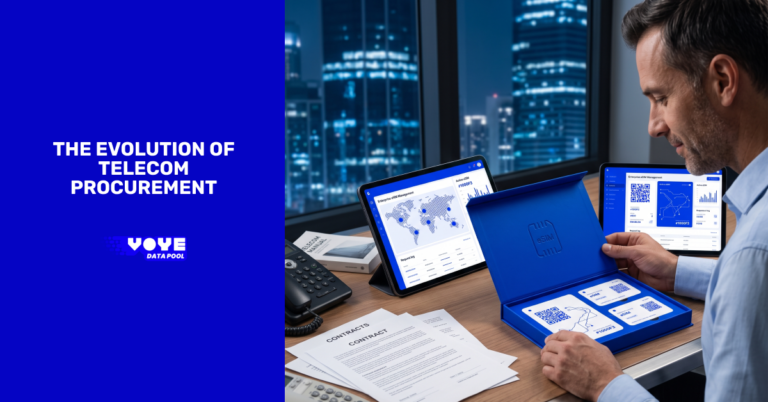
  • The Evolution of Telecom Procurement

    The evolution of telecom procurement reflects the growing importance of strategic sourcing, digital transformation, supplier collaboration, and data-driven decision-making in modern telecommunications. As technology advances and business demands become more complex, procurement professionals play a critical role in driving efficiency, managing risks, and supporting long-term growth. This blog explores how procurement has transformed from a transactional function into a strategic business enabler, highlighting key trends, challenges, and innovations shaping the future of procurement within the telecommunications industry.

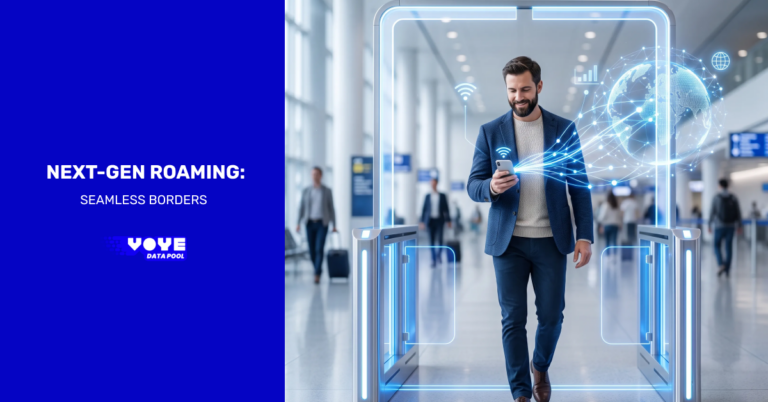
  • Next-Gen Roaming: Seamless Borders

    Next-gen roaming is transforming international connectivity by enabling seamless mobile experiences across borders. As businesses expand globally and travelers demand uninterrupted access to digital services, advanced roaming technologies are improving network performance, security, flexibility, and cost efficiency. This blog explores the evolution of roaming, the technologies driving innovation, the benefits for enterprises and travelers, and how modern connectivity solutions are creating a future where staying connected worldwide is simpler, smarter, and more reliable than ever before.

  • The Rise of the “Connected Enterprise”

    The rise of the connected enterprise is transforming how organizations manage data, collaborate across departments, and drive business growth. By integrating systems, processes, and people into a unified ecosystem, businesses gain real-time visibility, improved decision-making, and greater operational efficiency. This blog explores the strategic importance of enterprise connectivity, the role of data integration in digital transformation, and how connected enterprises build agility, resilience, and exceptional customer experiences in an increasingly competitive and data-driven business environment.

  • How 5G is Changing International Business Travel?

    International business travel is evolving rapidly with the rise of the 5G global network. Faster connectivity, lower latency, and seamless access to cloud-based tools are helping professionals stay productive across borders. From real-time collaboration and enhanced security to smarter airports and connected travel experiences, 5G is transforming how businesses operate globally. This article explores the key ways advanced mobile connectivity is reshaping international business travel and driving greater efficiency, flexibility, and innovation for modern organizations.

  • Mobile Data Trends for 2026 and Beyond

    Mobile data is becoming a critical driver of business growth, digital transformation, and operational efficiency. This blog explores mobile data trends 2026 and beyond, highlighting the impact of evolving connectivity demands, data pooling strategies, cost optimization, security considerations, and future-ready infrastructure planning. Designed for business leaders and strategic decision-makers, it provides valuable insights into managing mobile connectivity effectively while preparing for emerging technological advancements. Learn how smarter data strategies can support long-term growth, resilience, and competitive advantage.

  • Day Pass vs. Pay-Per-GB: Which Saves You More?

    Choosing the right international data plan can significantly impact your travel budget and productivity. This guide compares day pass roaming and pay-per-GB pricing models to help travelers understand which option delivers better value. Learn how data usage patterns, cost predictability, business travel needs, and hidden charges influence overall expenses. Whether you are a frequent international traveler or an occasional visitor, understanding these pricing structures can help you make smarter connectivity decisions while avoiding unexpected roaming costs abroad.

  • Satellite Internet vs. Cellular Roaming: What Do You Need?

    Choosing between satellite internet and cellular roaming is a critical decision for remote operations that depend on reliable communication. This guide explores the key differences in coverage, performance, reliability, cost, and safety while highlighting where each solution performs best. It also examines the growing demand for an SOS satellite alternative in remote environments where traditional networks may be unavailable. Learn how global data connectivity supports operational continuity, workforce safety, and efficient communication across challenging and geographically dispersed locations.

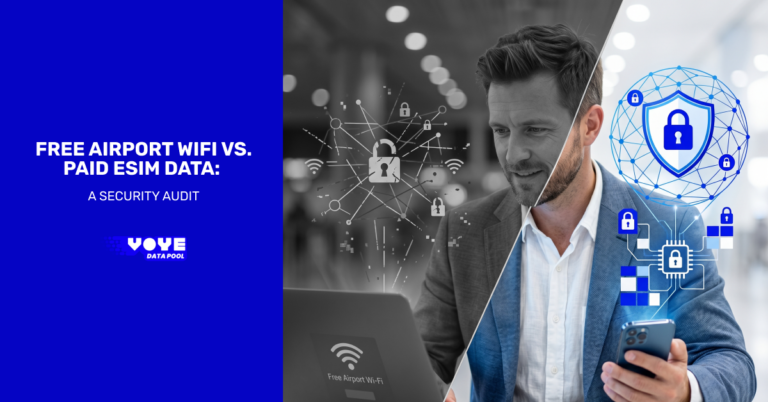
  • Free Airport WiFi vs. Paid eSIM Data: A Security Audit

    Free airport WiFi may offer convenience, but it can expose business travelers and organizations to significant cybersecurity risks. This blog explores the security differences between public airport networks and enterprise eSIM solutions, examining threat exposure, compliance considerations, reliability, and risk management. Designed for CISOs and security leaders, it provides a practical security audit of both connectivity options and explains why secure mobile connectivity has become an essential component of modern enterprise travel strategies.

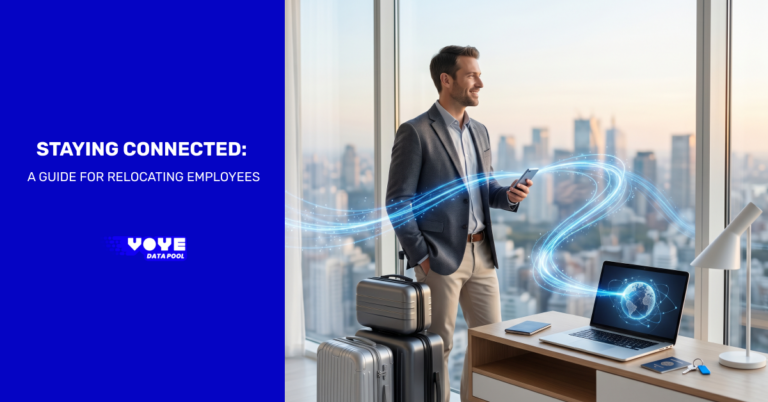
  • Staying Connected: A Guide for Relocating Employees

    Relocating employees often face challenges in staying connected and productive during a move. This blog explains how reliable internet access, smart planning, and flexible connectivity solutions can support smooth transitions for remote and hybrid professionals. It highlights the importance of maintaining communication, avoiding work disruptions, and preparing a dependable relocation internet setup before moving day. Readers will also learn practical strategies to reduce relocation stress, improve productivity, and ensure uninterrupted digital access while adapting comfortably to a new home and work environment.