

Staying Connected: A Guide for Relocating Employees
Relocating employees often face challenges in staying connected and productive during a move. This blog explains how reliable internet access, smart planning, and flexible connectivity solutions can support smooth transitions for remote and hybrid professionals. It highlights the importance of maintaining communication, avoiding work disruptions, and preparing a dependable relocation internet setup before moving day. Readers will also learn practical strategies to reduce relocation stress, improve productivity, and ensure uninterrupted digital access while adapting comfortably to a new home and work environment.


 8 min read
 Share
Share
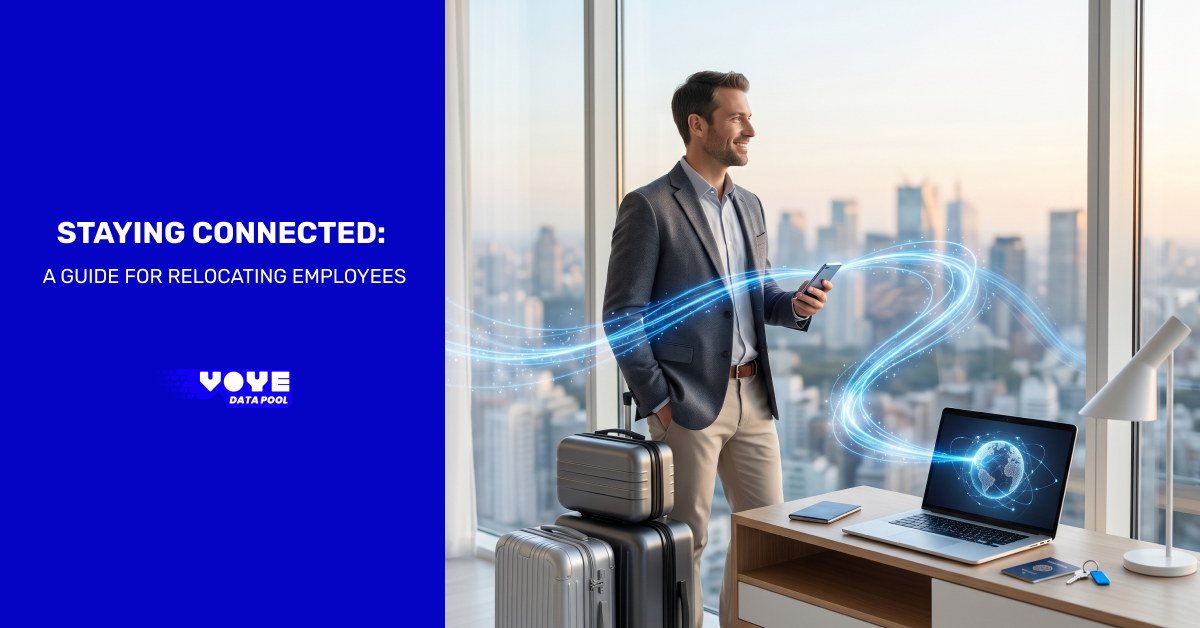
Relocating for work is an exciting opportunity, but it also comes with a long list of responsibilities that can quickly become overwhelming. From packing household belongings to adjusting to a new city, employees often face stress that impacts both personal comfort and professional productivity. One of the most important yet overlooked aspects of moving is maintaining reliable internet access throughout the transition. In a world where communication, remote collaboration, and digital services are part of everyday life, staying connected is no longer optional.
For employees relocating to a new home or temporary accommodation, internet access plays a major role in ensuring a smooth adjustment period. Whether someone works remotely full-time, attends virtual meetings, accesses cloud-based systems, or simply stays in touch with family and friends, uninterrupted connectivity is essential. This is where planning becomes valuable. A carefully organized relocation strategy that includes internet readiness can make the entire moving process more manageable and far less stressful.
Why Internet Connectivity Matters During Relocation?
Modern workplaces rely heavily on digital communication. Employees are expected to remain available, responsive, and productive, even during transitions. Without a stable internet connection, routine tasks can become difficult, deadlines may be delayed, and communication gaps can emerge between teams and clients.
Relocating employees often face temporary disruptions that interfere with their work schedules. Delays in internet activation, service interruptions, or unfamiliarity with local providers can create unnecessary frustration. Reliable connectivity allows employees to continue performing their responsibilities without major interruptions as they settle into a new environment.
Beyond work responsibilities, internet access also supports daily life during relocation. Employees often use online platforms to update addresses, arrange utilities, access navigation tools, manage banking, and connect with local services in a new city. Families may rely on streaming services, online learning platforms, or video calls to maintain a sense of normalcy during the move.

Stay Connected While Moving
Reliable internet access keeps relocating employees productive throughout every transition.
Planning for a Smoother Transition
Successful relocation begins with preparation. Employees who start planning their internet setup before moving day are less likely to experience delays or service gaps. Coordinating internet installation ahead of arrival can save time and reduce stress during the adjustment period.
Researching internet availability in the new location is an important first step. Different areas may offer varying connection speeds, service options, and installation timelines. Employees should identify what type of connection best supports their work and lifestyle needs before finalizing housing arrangements.
It is also useful to confirm whether remote work expectations will continue throughout the move. Some organizations allow flexible schedules during relocation, while others expect employees to remain fully available. Understanding these expectations helps employees prioritize connectivity from the beginning.
For businesses managing employee relocation programs, offering guidance on internet preparation can improve the overall relocation experience. Providing resources or recommendations allows employees to feel supported while adapting to a new location.
The Role of Reliable Data Solutions
Relocating employees often need flexible internet solutions that can bridge the gap between moving out of one residence and settling into another. Temporary housing, delayed installations, or travel schedules can all create periods where traditional home internet services are unavailable.
Portable connectivity solutions help employees remain productive during these transitions. Mobile data support, backup connectivity plans, and flexible internet access options can prevent disruptions during critical work periods. Employees who have dependable access to online tools and communication platforms are more likely to maintain productivity and confidence throughout the move.
This is where Voye Data Pool becomes a practical solution for professionals navigating relocation challenges. Reliable connectivity support allows relocating employees to stay connected without unnecessary delays or interruptions, helping them maintain work continuity while adapting to a new environment.
Managing Work Expectations During a Move
Relocation often impacts daily routines, especially during the first few weeks in a new location. Employees may need time to unpack, organize their living arrangements, and become familiar with their surroundings. However, maintaining clear communication with employers can help minimize misunderstandings and reduce pressure during the transition.
Setting realistic expectations is important for both employees and managers. Employees should communicate potential challenges related to moving schedules, internet installation timelines, or temporary housing arrangements. At the same time, employers should provide flexibility where possible to support employee well-being during relocation.
Reliable internet access becomes especially important for employees working remotely or in hybrid roles. Virtual meetings, file sharing, and collaboration tools require stable connectivity throughout the workday. Delays caused by poor internet performance can affect team productivity and create avoidable frustration.
Preparing a relocation internet setup in advance can help employees avoid downtime during the moving process. Employees who arrange connectivity solutions before arriving at their new residence are often able to resume work responsibilities much faster.
Reliable Data For Relocation
Flexible connectivity solutions support remote work during employee relocation journeys.
Tips for Staying Productive While Relocating
Maintaining productivity during relocation requires both preparation and adaptability. Employees can reduce stress and stay organized by focusing on a few key priorities before and after the move.
Some practical strategies include:
- Scheduling internet installation appointments early
- Backing up important work files before moving day
- Using temporary mobile connectivity solutions when necessary
- Creating a quiet workspace immediately after arrival
These small steps can make a significant difference during relocation. Employees who prioritize organization are often able to transition more smoothly into their new routines.
Another helpful approach is maintaining regular communication with colleagues and managers. Updating team members about relocation timelines, temporary limitations, or availability helps build transparency and trust. Employees who remain proactive during the process are less likely to experience unnecessary work-related stress.
Supporting Employee Well-Being Through Connectivity
Relocation affects more than work performance. Moving to a new location can be emotionally demanding, especially for employees adjusting to unfamiliar environments or relocating with family members. Staying connected to loved ones, support networks, and familiar routines can ease the emotional impact of moving.
Internet connectivity supports mental well-being in several ways. Video calls help employees maintain personal relationships, online communities provide social interaction, and entertainment platforms offer comfort during stressful transitions. Reliable access to these services contributes to a smoother adjustment period.
Employers that recognize the connection between employee well-being and digital accessibility are often better positioned to support successful relocations. Connectivity is not simply a technical requirement. It is an essential part of helping employees feel stable, informed, and connected during periods of change.
Employees who feel supported throughout the relocation process are also more likely to remain engaged and productive in their roles. Investing in strong relocation support strategies benefits both organizations and employees in the long term.
Avoiding Common Connectivity Challenges
Many relocation-related internet issues can be prevented through proper planning. One of the most common mistakes employees make is waiting until after arrival to arrange internet service. Installation delays can leave employees without reliable connectivity for days or even weeks.
Another challenge involves underestimating data needs during temporary transitions. Employees working remotely often consume more bandwidth than expected, especially when participating in video conferences or transferring large files. Having backup data solutions available can prevent disruptions during critical work periods.
Employees should also consider testing internet speeds immediately after setup to confirm that the connection supports work requirements. Slow speeds or unstable connections can affect productivity and create communication issues.
Planning a reliable relocation internet setup allows employees to reduce uncertainty and focus on adapting to their new environment rather than troubleshooting connectivity problems.
Building a Positive Relocation Experience
Relocation represents a major life transition, but it also creates opportunities for professional and personal growth. Employees who approach the process with preparation and flexibility are often able to adapt more successfully to their new surroundings.
Internet connectivity may seem like a small detail in the broader relocation process, but it has a direct impact on work continuity, communication, and overall comfort. A stable connection supports everything from professional collaboration to maintaining relationships with family and friends.
Organizations that prioritize employee support during relocation create stronger workplace experiences and improve long-term employee satisfaction. Reliable digital access plays an important role in helping employees feel confident and connected during periods of change.
Relocating employees should view connectivity planning as an essential part of their moving strategy. Taking time to organize internet access before the move can prevent avoidable disruptions and reduce unnecessary stress during the transition.
A thoughtful relocation internet setup supports productivity, communication, and peace of mind throughout the moving process. Employees who remain connected are better equipped to adapt quickly, maintain professional responsibilities, and settle comfortably into their new environment. With the right preparation and reliable support, relocation can become a smoother and more positive experience from start to finish.
Simplify Employee Relocation Connectivity
Ensure uninterrupted communication and productivity with dependable mobile data solutions.