

The Evolution of Telecom Procurement
The evolution of telecom procurement reflects the growing importance of strategic sourcing, digital transformation, supplier collaboration, and data-driven decision-making in modern telecommunications. As technology advances and business demands become more complex, procurement professionals play a critical role in driving efficiency, managing risks, and supporting long-term growth. This blog explores how procurement has transformed from a transactional function into a strategic business enabler, highlighting key trends, challenges, and innovations shaping the future of procurement within the telecommunications industry.


 7 min read
 Share
Share
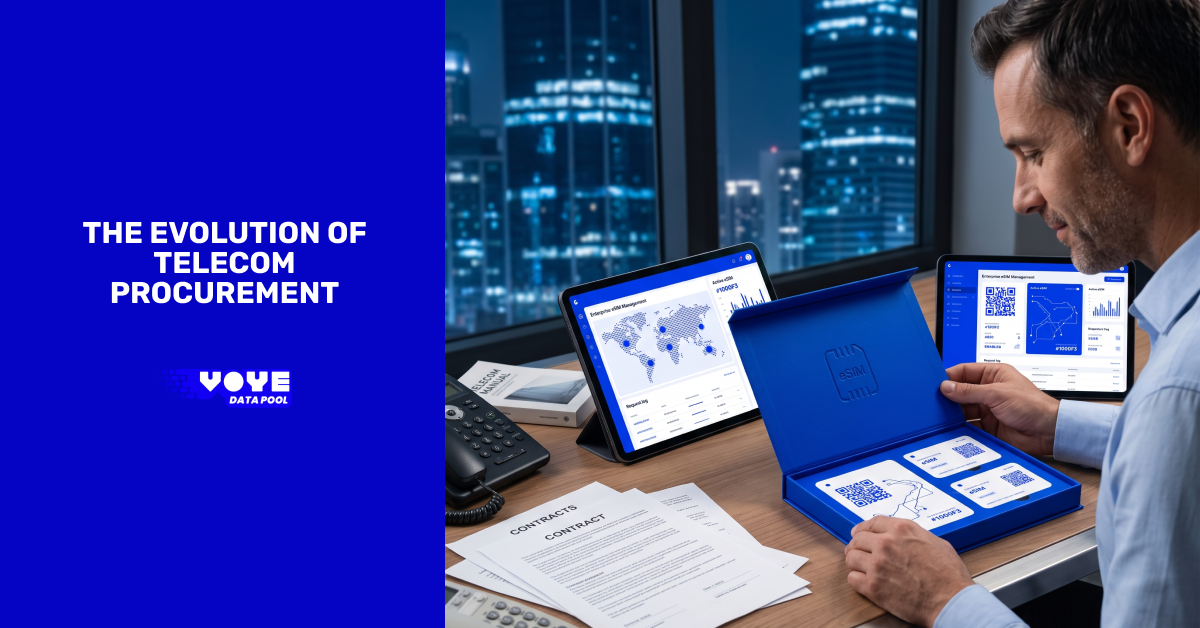
The telecommunications industry has undergone a remarkable transformation over the past few decades. What was once a sector focused primarily on voice services and basic network infrastructure has evolved into a highly sophisticated ecosystem powered by digital connectivity, cloud technologies, data intelligence, and advanced communication solutions. As this transformation continues, procurement professionals are finding themselves at the center of strategic decision-making, responsible for ensuring operational efficiency, cost optimization, supplier collaboration, and long-term business growth.
Modern organizations rely heavily on telecommunications services to support business continuity, remote work environments, customer engagement, and digital innovation. As a result, procurement teams are no longer limited to negotiating contracts and managing vendors. They are now expected to drive value, reduce risks, improve visibility, and support organizational objectives through smarter sourcing strategies and technology-enabled procurement processes.
From Traditional Purchasing to Strategic Value Creation
In the early stages of the telecommunications industry, procurement functions were largely transactional. Organizations focused on acquiring network equipment, connectivity services, and infrastructure components at competitive prices. Procurement decisions were often based on cost considerations rather than long-term value or business outcomes.
As telecommunications networks expanded and technologies became more complex, organizations realized that procurement could play a larger role in driving operational performance. The focus gradually shifted from simple purchasing activities to strategic sourcing initiatives. Procurement professionals began evaluating suppliers based on quality, reliability, innovation capabilities, and service performance in addition to pricing.
This shift marked a significant turning point. Procurement teams became strategic partners within organizations, contributing to decision-making processes that directly impacted growth, customer satisfaction, and technological advancement.
The Rise of Digital Transformation in Procurement
Digital transformation has fundamentally changed how procurement teams operate within the telecommunications sector. The introduction of automation, analytics, cloud-based platforms, and artificial intelligence has enabled organizations to streamline procurement activities and make more informed decisions.
Procurement professionals now have access to real-time data that provides insights into supplier performance, spending patterns, contract compliance, and market trends. This visibility allows organizations to identify cost-saving opportunities while maintaining service quality and operational resilience.
Digital procurement solutions also improve efficiency by reducing manual tasks and minimizing errors. Automated workflows accelerate approval processes, simplify vendor management, and create a more transparent procurement environment. These advancements have empowered procurement teams to focus on strategic initiatives rather than administrative responsibilities.

Stay Connected Worldwide
Access reliable mobile connectivity across destinations with ease.
Increasing Complexity in Telecommunications Ecosystems
The telecommunications landscape has become significantly more complex due to rapid technological advancements and evolving customer expectations. Organizations must manage a wide range of products, services, technologies, and supplier relationships across multiple regions and markets.
The deployment of advanced connectivity solutions, cloud infrastructure, edge computing, and data-driven services has introduced new procurement challenges. Procurement professionals must evaluate technical requirements, assess supplier capabilities, manage compliance obligations, and ensure scalability for future growth.
In this environment, telecom procurement has evolved into a highly specialized discipline that requires a deep understanding of both technology and business strategy. Organizations that invest in procurement expertise are better positioned to navigate market complexities and maintain a competitive advantage.
Data Driven Decision Making as a Competitive Advantage
One of the most significant developments in modern procurement is the growing importance of data-driven decision-making. Procurement teams now leverage advanced analytics to gain actionable insights that improve sourcing strategies and supplier management practices.
Data analytics enables organizations to:
- Monitor supplier performance more effectively.
- Identify spending trends and cost optimization opportunities.
- Improve forecasting and demand planning.
- Reduce procurement risks through proactive monitoring.
By utilizing accurate and timely information, procurement leaders can make decisions that support both short-term operational goals and long-term strategic objectives. Data-driven procurement creates a stronger foundation for sustainable growth and improved business performance.
Supplier Relationships Have Become More Strategic
The role of suppliers has changed dramatically within the telecommunications industry. Rather than functioning solely as vendors, suppliers are increasingly viewed as strategic partners that contribute to innovation, operational excellence, and market competitiveness.
Successful organizations recognize that strong supplier relationships can generate significant value beyond cost savings. Collaborative partnerships encourage knowledge sharing, technology innovation, and continuous improvement. Procurement teams are now focused on building long-term relationships that support mutual growth and business success.
This evolution has also increased the importance of supplier risk management. Organizations must carefully evaluate supplier stability, cybersecurity practices, regulatory compliance, and operational capabilities to minimize disruptions and maintain service continuity.
The Growing Importance of Risk Management
Risk management has become a critical component of modern procurement strategies. Global supply chain disruptions, economic uncertainty, cybersecurity threats, and regulatory changes have highlighted the need for proactive risk mitigation.
Procurement professionals are responsible for identifying potential vulnerabilities within the supply chain and implementing strategies to address them. This includes diversifying supplier networks, strengthening contract management practices, and improving visibility across procurement operations.
Organizations that prioritize risk management can respond more effectively to unexpected challenges while maintaining business continuity and protecting customer experiences. The ability to anticipate and manage risks has become a key differentiator in today’s competitive telecommunications environment.
Explore Global Data Plans
Compare flexible connectivity options for international travel needs.
Sustainability and Responsible Procurement Practices
Sustainability is increasingly influencing procurement decisions across industries, including telecommunications. Organizations are under growing pressure from stakeholders, customers, and regulators to adopt environmentally responsible business practices.
Procurement teams play a vital role in supporting sustainability objectives by evaluating suppliers based on environmental performance, ethical business practices, and social responsibility initiatives. Sustainable procurement strategies help organizations reduce their environmental footprint while strengthening brand reputation and stakeholder trust.
The integration of sustainability into procurement processes reflects a broader shift toward long-term value creation. Organizations are recognizing that responsible sourcing practices can generate both economic and societal benefits.
The Impact of Automation and Artificial Intelligence
Automation and artificial intelligence are reshaping procurement operations at an unprecedented pace. These technologies enable procurement teams to process large volumes of information, identify patterns, and make more accurate decisions.
Artificial intelligence can support supplier evaluation, contract analysis, demand forecasting, and spend management. Automation reduces administrative burdens by streamlining routine tasks such as invoice processing, purchase order management, and approval workflows.
As these technologies continue to mature, procurement professionals will have greater opportunities to focus on strategic activities that drive innovation and business growth. Organizations that embrace intelligent procurement solutions are likely to achieve higher levels of efficiency, agility, and competitiveness.
Future Trends Shaping Procurement Excellence
The future of procurement within the telecommunications industry will be influenced by several emerging trends. Organizations are expected to place greater emphasis on digital ecosystems, predictive analytics, supplier collaboration, and technology integration.
Key areas of focus will include enhanced visibility across supply chains, stronger cybersecurity measures, improved contract intelligence, and more agile procurement models. Procurement leaders will increasingly rely on advanced technologies to navigate complex business environments and support organizational transformation initiatives.
The continued evolution of telecom procurement will require professionals to develop new skills and capabilities. Strategic thinking, data literacy, supplier relationship management, and technological expertise will become even more important as procurement functions continue to expand their influence within organizations.
For businesses seeking to strengthen their procurement capabilities, partnering with experienced industry specialists can provide valuable insights and support. Companies such as Voye Data Pool contribute to this evolving landscape by helping organizations leverage data intelligence and procurement best practices to improve decision-making and operational performance.
Conclusion
The evolution of procurement within the telecommunications sector reflects the broader transformation of modern business. What began as a transactional function focused primarily on purchasing has become a strategic discipline that influences organizational performance, innovation, risk management, and long-term growth. Procurement professionals now play a central role in helping organizations navigate complex technology environments while maximizing value from supplier relationships and procurement investments.
As digital transformation continues to accelerate, the importance of effective telecom procurement strategies will only increase. Organizations that embrace data-driven decision-making, advanced technologies, sustainable sourcing practices, and collaborative supplier partnerships will be better positioned to achieve operational excellence and maintain a competitive edge. The future of procurement is not simply about acquiring products and services. It is about creating value, enabling innovation, and building resilient business ecosystems that can thrive in an increasingly connected world.
Smart Connectivity Solutions
Choose seamless data access designed for modern travelers.