


Next-Gen Roaming: Seamless Borders
Next-gen roaming is transforming international connectivity by enabling seamless mobile experiences across borders. As businesses expand globally and travelers demand uninterrupted access to digital services, advanced roaming technologies are improving network performance, security, flexibility, and cost efficiency. This blog explores the evolution of roaming, the technologies driving innovation, the benefits for enterprises and travelers, and how modern connectivity solutions are creating a future where staying connected worldwide is simpler, smarter, and more reliable than ever before.


 7 min read
 Share
Share
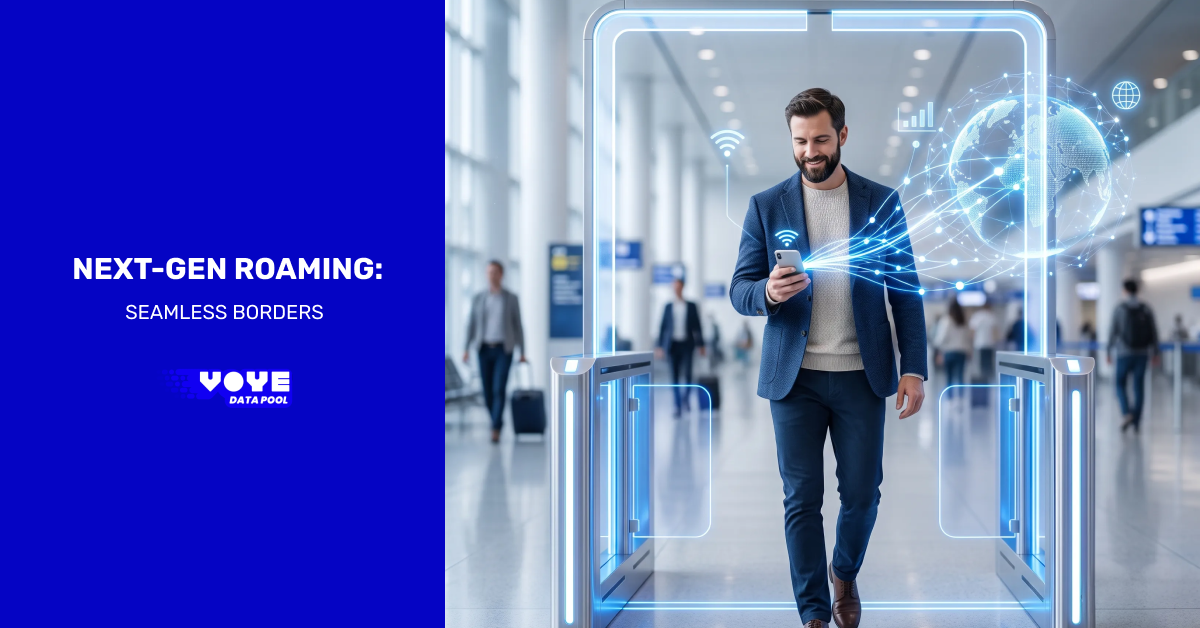
The modern world is more connected than ever before. Businesses operate across continents, remote teams collaborate in real time, and travelers expect uninterrupted digital experiences regardless of where they are. As international mobility continues to rise, connectivity is no longer considered a convenience. It has become a necessity. Whether someone is traveling for business, education, tourism, or global operations, reliable mobile data plays a critical role in maintaining communication, productivity, and access to essential services.
Traditional roaming solutions have often struggled to keep pace with the expectations of today’s users. High costs, inconsistent network performance, complex activation processes, and limited flexibility have created friction for both travelers and enterprises. The telecommunications landscape is now evolving rapidly to address these challenges. Advanced roaming technologies are transforming how users stay connected across borders, creating a future where switching countries no longer means switching connectivity experiences.
The Evolution of Global Connectivity
For decades, international roaming relied on agreements between mobile network operators. While these arrangements enabled cross-border communication, they often introduced limitations related to pricing, service quality, and user experience. Customers frequently faced unexpected charges, slower data speeds, and inconsistent coverage when moving between regions.
As digital transformation accelerates worldwide, user expectations have changed dramatically. Today’s connected consumers demand instant access to cloud applications, video conferencing platforms, navigation tools, social communication channels, and digital payment systems. Businesses require secure and uninterrupted connectivity to support global operations. These evolving demands have driven the development of more intelligent and flexible roaming frameworks.
Modern roaming infrastructure focuses on automation, network optimization, and seamless connectivity management. By leveraging advanced technologies, service providers can deliver consistent experiences that minimize disruptions while maximizing efficiency.

Stay Connected While Moving
Reliable internet access keeps relocating employees productive throughout every transition.
Why Seamless Roaming Matters More Than Ever?
The global workforce is becoming increasingly mobile. Professionals travel frequently for meetings, conferences, project deployments, and international partnerships. At the same time, digital nomads, students, and leisure travelers expect the same online experience abroad that they enjoy at home.
Connectivity interruptions can lead to significant challenges, including:
- Delayed business communications
- Reduced productivity during travel
- Limited access to critical applications
- Poor customer experiences
- Increased operational costs
Seamless roaming eliminates many of these obstacles by enabling continuous access to mobile data services across multiple regions. Instead of worrying about connectivity, users can focus on their objectives, whether they are closing business deals, managing remote teams, or exploring new destinations.
The Technology Driving the Future of Roaming
Several technological advancements are reshaping international connectivity. Intelligent network selection, cloud-based management platforms, advanced analytics, and enhanced infrastructure partnerships are creating a more efficient roaming ecosystem.
Artificial intelligence and machine learning are playing an increasingly important role in network optimization. These technologies can analyze usage patterns, identify the strongest available networks, and improve service quality automatically. This results in better coverage, reduced latency, and a smoother user experience.
Cloud-native architectures are also transforming roaming operations. Instead of relying on traditional hardware-intensive systems, providers can manage connectivity through scalable cloud environments. This enables faster deployment, improved reliability, and greater flexibility when adapting to changing customer demands.
Security enhancements are another critical component of modern roaming solutions. As cyber threats continue to evolve, users require secure access to digital resources wherever they travel. Advanced encryption protocols, authentication mechanisms, and network monitoring capabilities help protect sensitive information while maintaining connectivity.
How Businesses Benefit from Advanced Roaming Solutions?
Global enterprises depend heavily on reliable communication channels. Whether employees are traveling internationally or managing operations across multiple countries, uninterrupted connectivity directly impacts performance and productivity.
Organizations that adopt advanced roaming solutions gain several strategic advantages. Employees remain connected without the need to switch SIM cards or search for local network alternatives. Real-time collaboration becomes easier, enabling teams to work effectively regardless of location. Operational efficiency improves as connectivity management becomes more centralized and transparent.
Cost predictability is another major benefit. Traditional roaming models often generated uncertainty due to fluctuating charges and unexpected usage expenses. Modern solutions offer greater visibility and control, helping organizations manage communication budgets more effectively.
Businesses also benefit from improved customer engagement. Field teams, support staff, and sales professionals can maintain consistent communication with clients and partners while traveling internationally. This contributes to stronger relationships and enhanced service delivery.
The Role of Data Pooling in International Mobility
As global connectivity demands increase, data pooling has emerged as an effective approach to managing mobile usage across multiple users and regions. Rather than assigning isolated data allowances to individual users, pooled resources create greater flexibility and efficiency.
Data pooling enables organizations to optimize resource allocation based on actual usage patterns. Heavy users can access the bandwidth they need while lighter users consume less, reducing waste and improving overall utilization. This model supports scalability and simplifies connectivity management for businesses operating across diverse geographic markets.
One solution supporting this evolution is Voye Data Pool, which helps organizations streamline international data management while enhancing flexibility and operational control. By adopting modern connectivity frameworks, businesses can better align their communication strategies with the demands of a globally connected environment.
Explore Global Data Plans
Find flexible roaming solutions for business and travel needs.
Enhancing the Traveler Experience
Travelers increasingly expect frictionless digital experiences throughout their journeys. From booking transportation and accommodations to accessing maps and communication tools, mobile connectivity influences nearly every aspect of modern travel.
Advanced roaming technologies contribute significantly to traveler satisfaction. Automatic network transitions reduce the need for manual configuration. Improved coverage ensures reliable access to essential services. Faster data speeds support streaming, navigation, and productivity applications without interruption.
The emergence of next-gen roaming solutions is helping eliminate many of the traditional frustrations associated with international travel. Users can remain connected across multiple destinations while enjoying greater convenience, reliability, and transparency.
As tourism and international travel continue to recover and expand, seamless connectivity will remain a key factor in shaping traveler expectations and experiences.
Industry Trends Shaping the Future
The future of roaming will be influenced by several important trends. The expansion of 5G networks is expected to deliver faster speeds, lower latency, and improved capacity across international markets. This will support a growing range of applications, including augmented reality, real-time collaboration, and advanced enterprise services.
Internet of Things deployments are also increasing the importance of global connectivity solutions. Connected devices frequently move across geographic boundaries, requiring consistent communication capabilities. Roaming frameworks must evolve to support these emerging use cases efficiently.
In addition, regulatory developments and international collaboration will continue to influence roaming practices. Industry stakeholders are working toward greater interoperability, transparency, and service quality to meet the needs of an increasingly connected world.
The adoption of next-gen roaming capabilities will accelerate as organizations seek more efficient ways to manage international communications while delivering superior user experiences.
Building a Borderless Digital Future
The concept of truly borderless connectivity is becoming a reality. Advances in network intelligence, cloud technologies, security frameworks, and connectivity management are enabling users to move freely between regions without sacrificing digital access.
This transformation extends beyond convenience. Reliable international connectivity supports economic growth, global collaboration, innovation, and digital inclusion. As businesses expand into new markets and individuals embrace greater mobility, seamless roaming will play an essential role in enabling success.
The continued evolution of next-gen roaming technologies will help create a more connected global ecosystem where communication barriers are minimized and opportunities are expanded. Organizations that embrace these innovations will be better positioned to navigate the demands of an increasingly interconnected economy.
Conclusion
International connectivity is entering a new era defined by flexibility, intelligence, and user-centric design. Traditional roaming limitations are being replaced by advanced solutions that prioritize reliability, efficiency, and seamless access to digital services. As global mobility continues to grow, the ability to remain connected across borders will become even more critical for businesses and individuals alike.
The future of roaming lies in creating experiences that feel effortless regardless of location. By leveraging modern technologies, embracing innovative connectivity models, and prioritizing user needs, the industry is moving closer to a world where geographic boundaries no longer limit communication. This evolution represents a significant step toward a truly connected global future.
Simplify International Connectivity
Experience seamless mobile access with advanced roaming technology.