Managing Digital Nomads: A Guide for HR Directors
Managing digital nomads requires HR directors to balance workforce flexibility, compliance, cybersecurity, employee engagement, and operational efficiency. This guide covers essential strategies for supporting globally distributed teams through structured remote work policies, secure connectivity solutions, workforce mobility planning, and scalable management practices. Learn how businesses can improve productivity, maintain employee well-being, strengthen remote work culture, and optimize global workforce operations while supporting digital nomads with reliable communication and connectivity infrastructure across multiple regions.


 9 min read
 Share
Share
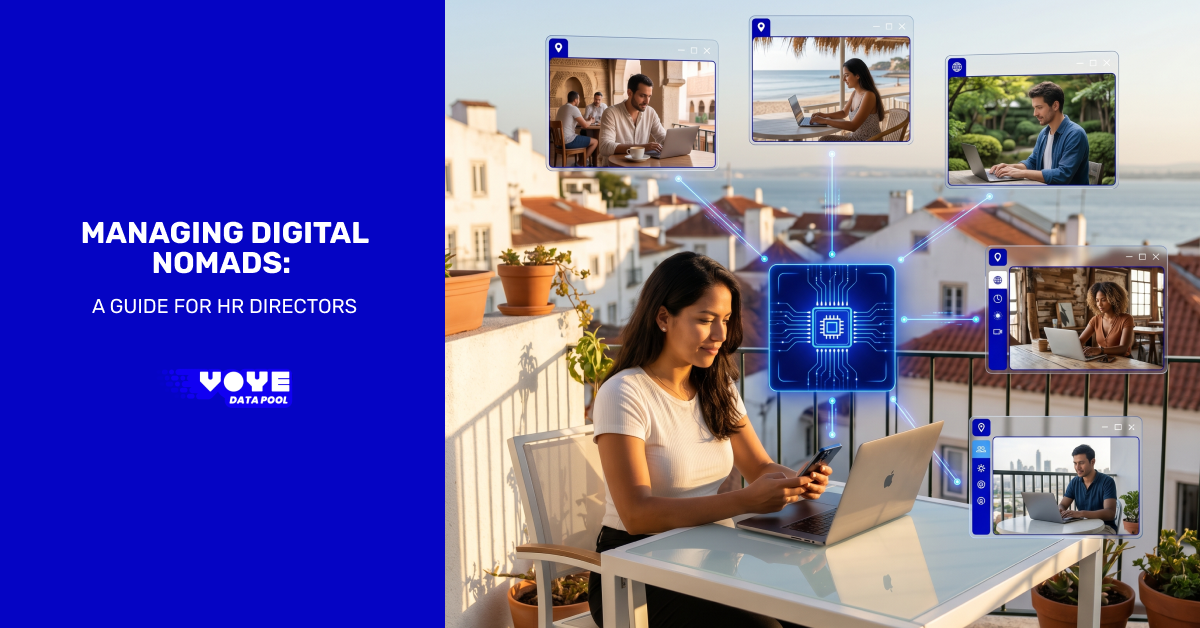
The modern workforce is no longer tied to traditional office spaces or fixed geographic locations. Remote work has evolved into a long-term operational strategy, and digital nomads are becoming a valuable part of the global workforce. For HR directors, this shift creates new opportunities to attract top talent while also introducing challenges related to compliance, employee engagement, payroll, cybersecurity, and workforce management.
According to recent global workplace studies, a growing percentage of professionals now prioritize remote flexibility when evaluating employers. Businesses that support flexible work models are often better positioned to attract highly skilled candidates and improve employee retention. As organizations expand internationally, HR leaders must develop structured approaches to managing location-independent professionals effectively.
Understanding the Digital Nomad Workforce
Digital nomads are professionals who work remotely while traveling or living across different regions or countries. Unlike traditional remote workers who operate from a fixed home office, digital nomads frequently move between locations while maintaining professional responsibilities.
Several factors continue to drive the growth of this workforce model:
- Increased adoption of cloud-based collaboration tools
- Expanding global hiring opportunities
- Employee demand for flexibility
- Improved international connectivity
- Growth in remote-first business operations
For HR directors, digital nomads offer access to broader talent pools and specialized expertise that may not be available locally.

Optimize Global Team Connectivity
Improve communication, productivity, and secure access across international remote workforces.
Why HR Directors Need a Structured Digital Nomad Strategy?
Without clear policies and workforce management systems, organizations may face operational inefficiencies, compliance risks, and communication challenges. HR leaders play a critical role in building scalable frameworks that support both employees and business objectives.
Key Benefits of Supporting Digital Nomads
- Access to Global Talent: Organizations can recruit skilled professionals from multiple countries without requiring relocation. This improves hiring flexibility and supports workforce diversity.
- Higher Employee Retention: Flexible work environments often improve employee satisfaction and loyalty. Professionals increasingly value autonomy and work-life balance alongside compensation.
- Operational Cost Efficiency: Businesses can reduce overhead costs associated with physical office spaces, utilities, and infrastructure maintenance.
- Improved Business Agility: Distributed teams allow organizations to scale operations faster and adapt to changing market demands more efficiently.
Common Challenges in Managing Digital Nomads
Although digital nomad programs provide substantial benefits, HR directors must address several operational challenges proactively.
Compliance and Employment Regulations
International workforce management involves navigating complex regulations across multiple jurisdictions. HR teams must evaluate:
- Employment classification requirements
- Local tax obligations
- Social security contributions
- Visa and immigration policies
- Data protection regulations
Organizations that fail to establish compliant remote work policies may face legal, financial, and reputational risks.
Time Zone Coordination
Managing collaboration across different regions can affect communication efficiency and scheduling consistency. Clear expectations regarding availability and response times are essential.
Employee Isolation and Engagement
Digital nomads may experience reduced social interaction and weaker organizational connections due to constant travel and remote work environments.
HR directors should prioritize employee engagement initiatives to maintain collaboration, morale, and productivity.
Cybersecurity Risks
Employees working from public networks or shared spaces may increase organizational exposure to cyber threats. Secure remote access protocols are essential for protecting sensitive business information.
Building an Effective Digital Nomad Policy
A structured policy creates consistency and reduces operational uncertainty across distributed teams.
Define Eligibility Requirements
Not every role is suitable for location-independent work. HR teams should determine:
- Which departments qualify
- Performance expectations
- Security-sensitive responsibilities
- Required communication standards
Establish Approved Work Locations
Some countries have complex employment and tax regulations that may increase compliance risks. Organizations often create approved-country lists to manage these concerns effectively.
Clarify Working Hour Expectations
While flexibility is important, businesses should still define:
- Core collaboration hours
- Meeting participation requirements
- Reporting procedures
- Communication response expectations
Create Security and Data Policies
Security policies should include:
- Mandatory VPN usage
- Device encryption standards
- Password management protocols
- Secure file-sharing practices
HR leaders who proactively build compliance-ready remote work frameworks are often better positioned to scale international hiring sustainably.
Technology Infrastructure for Distributed Teams
Technology plays a central role in supporting productive and secure digital nomad operations.
Essential Collaboration Platforms
Remote teams require integrated communication and workflow systems, including:
- Video conferencing tools
- Project management platforms
- Team messaging applications
- Cloud storage systems
- HR management software
Integrated platforms improve transparency, accountability, and team collaboration.
Outcome-Based Performance Management
Traditional office-based monitoring methods are often ineffective for distributed teams. HR directors should focus on measurable outcomes and performance indicators rather than constant supervision.
Key performance metrics may include:
- Project completion rates
- Productivity benchmarks
- Collaboration effectiveness
- Client satisfaction
- Goal achievement
Reliable Connectivity and Workforce Mobility
Stable internet connectivity remains essential for globally distributed employees. Businesses increasingly invest in scalable mobile connectivity solutions to support workforce mobility and operational continuity.
Organizations managing international teams often benefit from custom data pool systems that provide centralized visibility into employee connectivity usage while helping control operational costs across multiple regions.
Supporting Employee Well-Being
Employee well-being directly affects productivity, engagement, and retention in remote work environments.
Mental Health Support
Travel-related stress and isolation can negatively impact employee wellness. HR departments can support digital nomads through:
- Virtual counseling services
- Wellness initiatives
- Flexible scheduling
- Mental health resources
- Employee assistance programs
Encouraging Work-Life Balance
Remote employees may struggle to separate personal and professional responsibilities. Organizations should encourage:
- Defined working schedules
- Paid leave utilization
- Regular breaks
- Time-off boundaries
Building Community Across Distributed Teams
Maintaining a strong organizational culture is essential for remote workforce success.
Effective Engagement Strategies
- Virtual networking events
- Team-building activities
- Employee recognition programs
- Online mentorship opportunities
- Cross-functional collaboration sessions
Stay Connected Worldwide
Enable seamless remote work access for globally distributed digital nomad teams.
Managing Payroll and Benefits for Digital Nomads
Payroll administration becomes more complex when employees work across multiple countries.
Payroll Compliance Considerations
HR teams must evaluate:
- International tax liabilities
- Currency conversion impacts
- Contractor versus employee classification
- Local employment laws
- Social security requirements
Many organizations partner with global payroll providers to streamline cross-border workforce management.
Benefits That Support Digital Nomads
Traditional benefits packages may not fully meet the needs of remote professionals. Companies should consider offering:
- International health insurance
- Remote work equipment stipends
- Flexible wellness allowances
- Travel support
- Co-working reimbursements
These benefits improve employee satisfaction while supporting long-term productivity.
Strengthening Data Security and Privacy
Data protection regulations continue to evolve globally, making cybersecurity a major priority for HR leaders managing distributed teams.
Best Practices for Secure Remote Operations
Remote work shifts the security focus from protecting an office building to protecting individual users and devices. To keep your data locked down while your team is scattered, prioritize these core practices:
Implement Multi-Factor Authentication
Additional authentication layers help reduce unauthorized system access.
Conduct Ongoing Security Training
Employees should receive regular education on:
- Phishing prevention
- Secure browsing
- Password protection
- Safe file-sharing practices
Restrict Access to Sensitive Information
Access permissions should align with specific job responsibilities to reduce unnecessary exposure.
Use Secure Connectivity Solutions
Organizations with mobile workforces often rely on Voye Data Pool to support secure international connectivity. Voye Data Pool solutions help businesses manage mobile data allocation across distributed teams while improving visibility, scalability, and cost control for employees operating in multiple regions.
Creating a Strong Remote Work Culture
A successful digital nomad workforce depends on maintaining organizational alignment and employee connection.
Transparent Leadership Communication
Consistent leadership communication builds trust across distributed teams.
HR directors should encourage leaders to:
- Share regular company updates
- Conduct virtual town hall meetings
- Recognize employee achievements
- Encourage open feedback channels
Focus on Results Rather Than Presence
Outcome-based performance systems are often more effective than traditional attendance-focused management approaches.
Invest in Continuous Learning
Professional development remains essential for remote employees.
Organizations can support workforce growth through:
- Online certifications
- Virtual leadership training
- Skill development workshops
- Mentorship programs
Recruitment Strategies for Digital Nomad Talent
Hiring location-independent professionals requires adjustments to traditional recruitment processes.
Optimize Remote Job Descriptions
Clearly communicate:
- Remote work expectations
- Time zone requirements
- Communication standards
- Technology needs
- Travel flexibility
Evaluate Remote Work Capabilities
In addition to technical expertise, HR teams should assess:
- Self-management skills
- Communication abilities
- Adaptability
- Problem-solving capabilities
- Organizational discipline
Strengthen Virtual Onboarding Processes
Structured onboarding improves employee integration and productivity.
Effective Remote Onboarding Includes
- Virtual orientation sessions
- Digital documentation access
- Scheduled check-ins
- Assigned mentors
- Clear training materials
Future Trends HR Directors Should Monitor
The digital nomad workforce is expected to continue growing as businesses expand flexible work programs.
Expansion of Borderless Hiring
Organizations are increasingly recruiting internationally to address skill shortages and improve workforce diversity.
Growth in Government-Supported Digital Nomad Visas
Several countries now offer remote work visas designed specifically for digital nomads, making international workforce mobility easier.
Increased Investment in Workforce Mobility Technology
Advanced HR systems, automation tools, and digital nomad solutions are expected to play larger roles in workforce management, compliance tracking, and employee support.
Greater Focus on Compliance Automation
Businesses are increasingly investing in automated compliance systems to reduce legal risks associated with international remote work.
Measuring the Success of Digital Nomad Programs
HR leaders should continuously evaluate the effectiveness of distributed workforce strategies.
Key Metrics to Track
- Employee retention rates
- Productivity performance
- Employee engagement scores
- Recruitment efficiency
- Compliance incidents
- Workforce satisfaction levels
Data-driven workforce analysis helps organizations refine policies and improve operational efficiency.
Conclusion
Managing digital nomads requires HR directors to balance flexibility, compliance, employee engagement, and operational efficiency. As remote work continues to evolve, organizations that establish structured policies and scalable workforce management systems will be better positioned to attract and retain top global talent.
By investing in secure technology infrastructure, outcome-based management strategies, employee well-being initiatives, and reliable connectivity support, businesses can create sustainable distributed workforce models. Solutions such as custom data pool management and platforms like Voye Data Pool can further strengthen operational visibility and support globally mobile employees while maintaining cost efficiency and business continuity.
Support Remote Workforce Mobility
Simplify secure connectivity management for traveling employees and remote professionals.