Get 5% Discount using the code VOYE15 Buy eSIM close

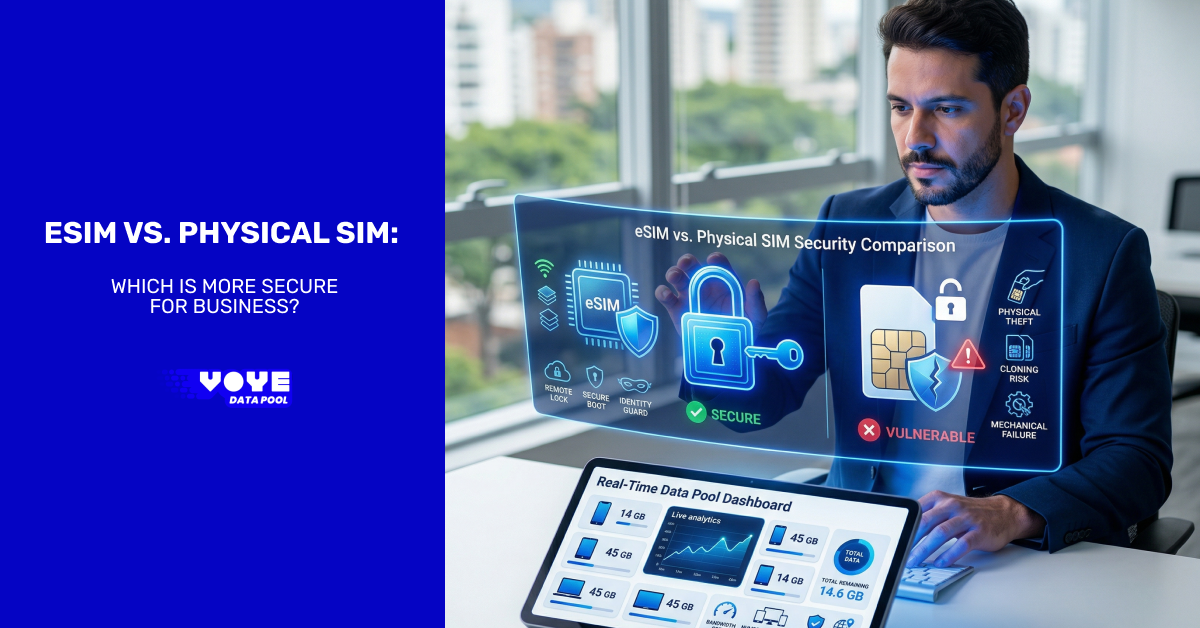
eSIM vs. Physical SIM: Which is More Secure for Business?

Enterprises are shifting toward eSIM technology to strengthen connectivity security. Learn how eSIM for business improves protection against SIM related risks while providing better control over device connectivity across global teams.

Voye Data Pool Team
March 11, 2026 dot Read 6 min read
share Share
eSIM vs. Physical SIM: Which is More Secure for Business?

Connectivity plays a critical role in modern enterprise operations. Businesses rely on mobile devices, connected infrastructure, and global teams that require constant access to secure networks. As organizations expand their digital environments, the need for secure and reliable connectivity solutions becomes increasingly important.

Traditionally, enterprises relied on physical SIM cards to connect devices to mobile networks. However, new digital technologies are changing how connectivity is managed. eSIM technology now allows enterprises to activate and manage connectivity remotely without the need for physical SIM distribution.

For enterprise IT and security teams, the question is no longer just about connectivity but also about security. Choosing between eSIM and traditional SIM cards requires understanding how each technology protects devices, networks, and enterprise data.

At Voye Data Pool, we help organizations simplify global connectivity through secure eSIM infrastructure that supports teams and devices across more than 130+ countries.

Understanding Physical SIM Cards in Enterprise Environments

Physical SIM cards have been the standard connectivity solution for many years. They contain subscriber identity information that allows devices to connect to mobile networks.

In enterprise environments, physical SIM cards are commonly used in smartphones, tablets, laptops, and IoT devices. While they provide reliable connectivity, managing them at scale can introduce operational and security challenges.

Key Characteristics of Physical SIM Cards

  • Require manual insertion into devices.
  • Must be physically distributed to employees or infrastructure locations.
  • Often tied to a single network provider.
  • Replacement requires physical access to the device.

For enterprises managing hundreds or thousands of devices, these limitations can create administrative complexity.

What Is eSIM Technology?

eSIM technology replaces traditional removable SIM cards with an embedded digital SIM built directly into the device hardware. Instead of inserting a card, connectivity profiles are downloaded and activated digitally.

This approach allows enterprises to manage connectivity remotely through centralized platforms.

Key Features of eSIM

  • Digital SIM profiles are stored within the device.
  • Remote activation and configuration.
  • Ability to switch between network providers.
  • Centralized management of connectivity.

These capabilities make eSIM particularly valuable for organizations managing distributed devices or global teams.

Security Considerations in Enterprise Connectivity

When evaluating connectivity technologies, enterprises must consider how well each option protects network access and sensitive data.

Security concerns typically include:

  • Unauthorized device access.
  • SIM theft or duplication.
  • Network identity protection.
  • Secure device provisioning.

Both physical SIM cards and eSIM technology provide secure connectivity, but the way they manage identity and access can differ significantly.

Physical SIM Security Risks

While physical SIM cards have been widely used for years, they introduce several potential security vulnerabilities for enterprises.

1. Risk of Physical Theft

Since physical SIM cards can be removed from devices, they can be stolen or transferred to unauthorized devices. This can allow attackers to impersonate legitimate network users.

2. SIM Swapping Attacks

SIM swapping occurs when an attacker convinces a carrier to transfer a phone number to a new SIM card. This can allow attackers to intercept communications or bypass security authentication systems.

3. Device Handling Risks

Enterprises must distribute and replace SIM cards manually. This process increases the risk of loss, misplacement, or unauthorized access.

These risks can be particularly concerning for organizations managing large device fleets.

Why eSIM Improves Enterprise Security?

eSIM technology addresses several of the vulnerabilities associated with physical SIM cards. Because the SIM is embedded directly into the device hardware, it cannot be physically removed or swapped.

  • Embedded Identity Protection

The embedded nature of eSIM prevents unauthorized physical access to the SIM itself.

  • Secure Remote Provisioning

Connectivity profiles can be installed securely through encrypted provisioning systems. This reduces the risk of unauthorized network access.

  • Centralized Security Control

Enterprise administrators can manage connectivity profiles remotely, allowing them to disable, modify, or reconfigure device connectivity if security issues arise.

  • Reduced Risk of SIM Fraud

Since there is no physical SIM to swap or steal, many traditional SIM-based fraud techniques become far less effective.

For enterprises prioritizing security and operational control, these advantages are significant.

Operational Security Advantages for Enterprises

Security in enterprise connectivity is not limited to preventing external threats. It also includes managing devices efficiently and reducing administrative risks.

  • Remote Device Management

With eSIM technology, administrators can activate or deactivate connectivity profiles remotely. This ensures devices can be secured quickly if they are lost or compromised.

  • Faster Security Response

If a device experiences suspicious activity, connectivity access can be disabled immediately without needing physical access to the device.

  • Improved Compliance

Centralized connectivity management allows organizations to maintain better records of device activity and network access.

These operational advantages support stronger overall enterprise security frameworks.

Connectivity, Flexibility, and Security

Enterprise security strategies must also consider how connectivity adapts to changing business environments. Organizations with international operations often require devices that can connect to multiple networks across regions.

Traditional SIM cards often restrict devices to a single network provider. This limitation can affect connectivity performance and operational flexibility.

Through eSIM for business, organizations gain the ability to manage connectivity dynamically across regions while maintaining centralized control over device security.

This flexibility allows enterprises to maintain secure connectivity while supporting global teams and distributed operations.

How We Support Secure Enterprise Connectivity?

At Voye Data Pool, we provide enterprises with secure and scalable eSIM connectivity solutions designed for modern business environments.

Our platform allows organizations to manage connectivity across global teams and connected devices through a centralized management system. Enterprises can activate devices remotely, monitor connectivity usage, and maintain secure network access across more than 130+ countries.

By combining advanced eSIM technology with centralized management, we help businesses simplify connectivity operations while strengthening their enterprise security posture.

Choosing the Right Connectivity Security Model

As enterprise connectivity needs continue to evolve, businesses must evaluate which technologies provide the strongest combination of security, flexibility, and operational efficiency.

While physical SIM cards have served organizations for many years, digital connectivity solutions now offer new advantages for enterprises managing global devices and distributed teams.

With stronger identity protection, centralized control, and secure remote provisioning, eSIM technology provides enterprises with a modern approach to connectivity security that supports the demands of today’s connected business environment.

Connectivity plays a critical role in modern enterprise operations. Businesses rely on mobile devices, connected infrastructure, and global teams that require constant access to secure networks. As organizations expand their digital environments, the need for secure and reliable connectivity solutions becomes increasingly important.

Traditionally, enterprises relied on physical SIM cards to connect devices to mobile networks. However, new digital technologies are changing how connectivity is managed. eSIM technology now allows enterprises to activate and manage connectivity remotely without the need for physical SIM distribution.

For enterprise IT and security teams, the question is no longer just about connectivity but also about security. Choosing between eSIM and traditional SIM cards requires understanding how each technology protects devices, networks, and enterprise data.

At Voye Data Pool, we help organizations simplify global connectivity through secure eSIM infrastructure that supports teams and devices across more than 130+ countries.

Understanding Physical SIM Cards in Enterprise Environments

Physical SIM cards have been the standard connectivity solution for many years. They contain subscriber identity information that allows devices to connect to mobile networks.

In enterprise environments, physical SIM cards are commonly used in smartphones, tablets, laptops, and IoT devices. While they provide reliable connectivity, managing them at scale can introduce operational and security challenges.

Key Characteristics of Physical SIM Cards

  • Require manual insertion into devices.
  • Must be physically distributed to employees or infrastructure locations.
  • Often tied to a single network provider.
  • Replacement requires physical access to the device.

For enterprises managing hundreds or thousands of devices, these limitations can create administrative complexity.

What Is eSIM Technology?

eSIM technology replaces traditional removable SIM cards with an embedded digital SIM built directly into the device hardware. Instead of inserting a card, connectivity profiles are downloaded and activated digitally.

This approach allows enterprises to manage connectivity remotely through centralized platforms.

Key Features of eSIM

  • Digital SIM profiles are stored within the device.
  • Remote activation and configuration.
  • Ability to switch between network providers.
  • Centralized management of connectivity.

These capabilities make eSIM particularly valuable for organizations managing distributed devices or global teams.

Security Considerations in Enterprise Connectivity

When evaluating connectivity technologies, enterprises must consider how well each option protects network access and sensitive data.

Security concerns typically include:

  • Unauthorized device access.
  • SIM theft or duplication.
  • Network identity protection.
  • Secure device provisioning.

Both physical SIM cards and eSIM technology provide secure connectivity, but the way they manage identity and access can differ significantly.

Physical SIM Security Risks

While physical SIM cards have been widely used for years, they introduce several potential security vulnerabilities for enterprises.

1. Risk of Physical Theft

Since physical SIM cards can be removed from devices, they can be stolen or transferred to unauthorized devices. This can allow attackers to impersonate legitimate network users.

2. SIM Swapping Attacks

SIM swapping occurs when an attacker convinces a carrier to transfer a phone number to a new SIM card. This can allow attackers to intercept communications or bypass security authentication systems.

3. Device Handling Risks

Enterprises must distribute and replace SIM cards manually. This process increases the risk of loss, misplacement, or unauthorized access.

These risks can be particularly concerning for organizations managing large device fleets.

Why eSIM Improves Enterprise Security?

eSIM technology addresses several of the vulnerabilities associated with physical SIM cards. Because the SIM is embedded directly into the device hardware, it cannot be physically removed or swapped.

  • Embedded Identity Protection

The embedded nature of eSIM prevents unauthorized physical access to the SIM itself.

  • Secure Remote Provisioning

Connectivity profiles can be installed securely through encrypted provisioning systems. This reduces the risk of unauthorized network access.

  • Centralized Security Control

Enterprise administrators can manage connectivity profiles remotely, allowing them to disable, modify, or reconfigure device connectivity if security issues arise.

  • Reduced Risk of SIM Fraud

Since there is no physical SIM to swap or steal, many traditional SIM-based fraud techniques become far less effective.

For enterprises prioritizing security and operational control, these advantages are significant.

Operational Security Advantages for Enterprises

Security in enterprise connectivity is not limited to preventing external threats. It also includes managing devices efficiently and reducing administrative risks.

  • Remote Device Management

With eSIM technology, administrators can activate or deactivate connectivity profiles remotely. This ensures devices can be secured quickly if they are lost or compromised.

  • Faster Security Response

If a device experiences suspicious activity, connectivity access can be disabled immediately without needing physical access to the device.

  • Improved Compliance

Centralized connectivity management allows organizations to maintain better records of device activity and network access.

These operational advantages support stronger overall enterprise security frameworks.

Connectivity, Flexibility, and Security

Enterprise security strategies must also consider how connectivity adapts to changing business environments. Organizations with international operations often require devices that can connect to multiple networks across regions.

Traditional SIM cards often restrict devices to a single network provider. This limitation can affect connectivity performance and operational flexibility.

Through eSIM for business, organizations gain the ability to manage connectivity dynamically across regions while maintaining centralized control over device security.

This flexibility allows enterprises to maintain secure connectivity while supporting global teams and distributed operations.

How We Support Secure Enterprise Connectivity?

At Voye Data Pool, we provide enterprises with secure and scalable eSIM connectivity solutions designed for modern business environments.

Our platform allows organizations to manage connectivity across global teams and connected devices through a centralized management system. Enterprises can activate devices remotely, monitor connectivity usage, and maintain secure network access across more than 130+ countries.

By combining advanced eSIM technology with centralized management, we help businesses simplify connectivity operations while strengthening their enterprise security posture.

Choosing the Right Connectivity Security Model

As enterprise connectivity needs continue to evolve, businesses must evaluate which technologies provide the strongest combination of security, flexibility, and operational efficiency.

While physical SIM cards have served organizations for many years, digital connectivity solutions now offer new advantages for enterprises managing global devices and distributed teams.

With stronger identity protection, centralized control, and secure remote provisioning, eSIM technology provides enterprises with a modern approach to connectivity security that supports the demands of today’s connected business environment.
Related Articles

  • Converting Your Fleet from Plastic SIMs to eSIMs

    Fleet connectivity is evolving rapidly as businesses shift to smarter, scalable solutions. The move to convert SIM to eSIM helps fleet managers improve operational efficiency, reduce downtime, and gain better control over data usage. With features like remote provisioning, multi-network access, and integration with a custom data pool and Voye Data Pool, fleets can streamline connectivity management. This transition supports cost optimization, enhances security, and prepares fleet operations for future technologies and expansion across regions with seamless network performance.

  • Connectivity in Asia: A Guide for Business Travelers

    Travel data Asia is essential for business travelers who need reliable internet across multiple destinations. This guide covers eSIMs, roaming, local SIMs, regional data plans, and enterprise connectivity options. Learn how to choose the right travel data based on your destination, trip duration, usage, and work requirements. It also explains how to stay connected during meetings, transit, and international business trips while avoiding common connectivity challenges across Asian countries.

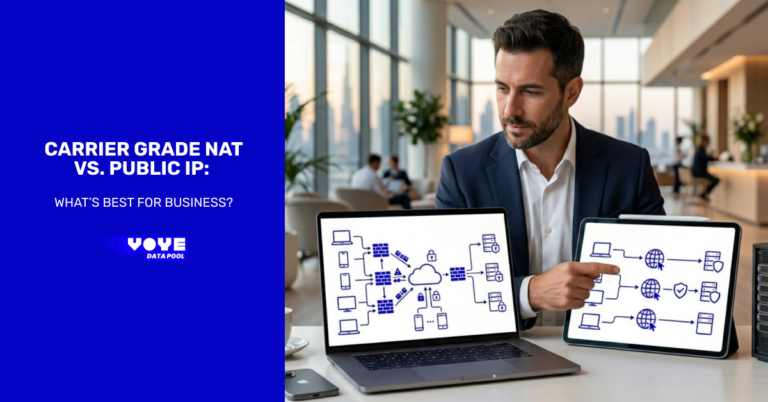
  • Carrier Grade NAT vs. Public IP: What’s Best for Business?

    Carrier-grade NAT and public IPs both play important roles in modern business networking, but choosing the right option depends on scalability, security, remote access, and performance needs. This blog explains the differences between shared NAT environments and dedicated public IP deployment, including their impact on VPN stability, VoIP communication, cloud infrastructure, and enterprise connectivity. It also highlights how flexible solutions like a custom data pool and Voye Data Pool can support growing businesses with smarter bandwidth and connectivity management.

  • Static IP on eSIM: When and Why You Need It?

    Static IP on eSIM is transforming how modern networks are designed and managed. By combining flexible connectivity with consistent network identity, it enables better security, seamless remote access, and scalable infrastructure. This approach is especially valuable for IoT deployments, edge computing, and distributed systems. With the addition of custom data pool strategies and solutions like Voye Data Pool, network engineers gain greater control, improved visibility, and more efficient data management, making connectivity not just reliable but also highly predictable.

  • Israel eSIM: The Best Choice for High-Tech Travelers

    An Israel eSIM is a convenient connectivity option for high-tech travelers who need reliable mobile data during their trip. It can support navigation, messaging, cloud applications, video calls, remote work, and mobile hotspot use without requiring a physical SIM card. This guide explains how Israel eSIMs work, how much data travelers may need, network and 5G considerations, device compatibility, setup steps, and the key differences between eSIMs, physical SIM cards, and international roaming for modern tech-focused travel.

  • Reducing Connectivity Volatility in Budget Planning for 2026

    Connectivity volatility is becoming one of the biggest challenges for enterprise financial planning in 2026.
    With global teams, hybrid work, and rising network demand, costs are harder to forecast.
    This guide explains how to stabilize your connectivity expenses using data-driven forecasting, real-time monitoring, governance controls, and modern eSIM data pool solutions.
    Enterprises can reduce risk, improve cost predictability, and build a resilient connectivity strategy for 2026.
    Learn how to turn unpredictable network spending into stable, controlled, future-ready budgeting.