


How to Monitor Pool Usage in Real-Time?
Managing shared connectivity across devices and teams requires clear visibility into how data is consumed. Real-time monitoring allows IT teams to track network activity, detect unusual usage patterns, and maintain control over connectivity resources. With the right tools and strategies, businesses can improve performance, reduce unexpected costs, and ensure reliable connectivity across global operations.


 7 min read
 Share
Share
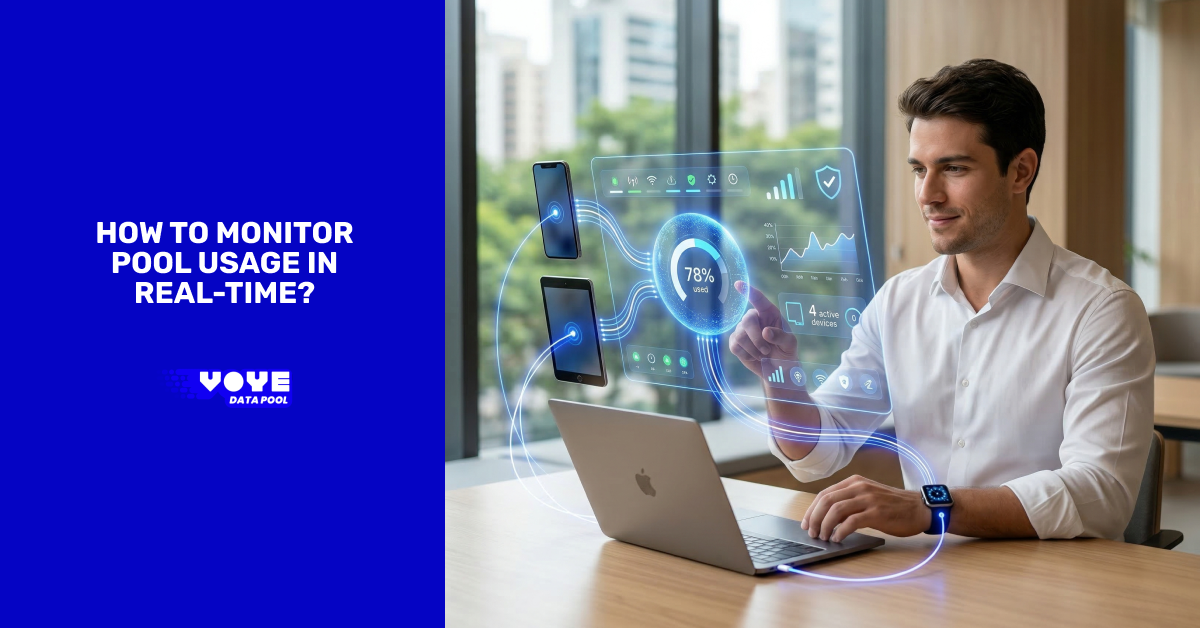
Modern organizations rely heavily on connectivity to operate efficiently. Teams work remotely, devices communicate through IoT networks, and businesses depend on stable data connections to maintain productivity. As organizations scale their operations and connect more users and devices, managing shared data resources becomes increasingly complex.
Monitoring usage across multiple devices or teams requires a system that provides visibility and control. Without clear insight into consumption patterns, businesses may face unexpected costs, reduced network performance, or operational disruptions. Real-time monitoring allows organizations to track activity in real time and maintain better control over connectivity resources.
With advanced connectivity management platforms, IT teams can monitor data activity, identify unusual behavior, and optimize network performance. Real-time insights enable businesses to make faster decisions, maintain cost efficiency, and ensure reliable connectivity across their entire infrastructure.
Why Real-Time Monitoring Matters for Modern Connectivity?
Traditional connectivity systems often relied on monthly or delayed reports to review network activity. By the time businesses analyzed the data, it was often too late to prevent excessive usage or network issues.
Real-time monitoring changes this approach by providing immediate visibility into how connectivity resources are being used.
Key benefits include:
- Immediate visibility into data consumption.
- Faster detection of unusual usage patterns.
- Improved control over connectivity costs.
- Better network performance management.
- Stronger security monitoring.
For organizations operating across global teams or managing connected devices, real-time insights are essential for maintaining efficiency and stability.
Understanding Data Pooling in Enterprise Connectivity
Data pooling is a widely adopted approach in enterprise connectivity management. Instead of assigning individual data limits to each device or user, organizations allocate a shared data pool that multiple endpoints can access.
This model allows businesses to distribute data resources more efficiently and avoid unused allocations.
Important characteristics of pooled connectivity include:
- Shared data resources across multiple devices.
- Centralized management for administrators.
- Flexible distribution of data based on demand.
- Simplified monitoring of connectivity activity.
For IT teams responsible for managing distributed connectivity environments, data pooling offers flexibility while maintaining centralized control.

Manage Connectivity With Ease
Centralized platform to control devices, data, and global connectivity.
Key Metrics to Monitor in Real-Time
Effective monitoring depends on tracking the right metrics. These data points help administrators understand network behavior and ensure efficient connectivity management.
Device-Level Data Consumption
Monitoring usage by individual devices provides insight into which endpoints consume the most bandwidth.
Benefits include:
- Identifying high usage devices.
- Detecting malfunctioning equipment.
- Optimizing data allocation across devices.
Regional Data Activity
Organizations operating across multiple locations must monitor connectivity usage by region. This helps IT teams understand where demand is highest and adjust network resources accordingly.
Regional monitoring helps organizations:
- Maintain consistent connectivity performance.
- Identify unusual activity in specific locations.
- Plan network expansion strategies.
Usage Spikes and Anomalies
Sudden spikes in data consumption can signal configuration issues, unauthorized activity, or malfunctioning devices.
Real-time monitoring allows administrators to identify and investigate these events before they impact operations quickly.
Time-Based Usage Patterns
Analyzing data consumption across time periods helps organizations understand peak usage hours.
Insights from time-based analysis allow businesses to:
- Improve network planning.
- Optimize performance during peak demand.
- Forecast future connectivity requirements.
Tools and Platforms for Real-Time Monitoring
Modern connectivity management platforms provide advanced tools that allow businesses to track and manage network activity efficiently.
Centralized Monitoring Dashboards
Dashboards provide administrators with a comprehensive overview of connectivity activity. These interfaces display device status, usage metrics, and performance indicators in a single location.
Advantages of centralized dashboards include:
- Simplified network management.
- Faster access to performance insights.
- Improved operational visibility.
Automated Alerts and Notifications
Automated alerts help administrators respond quickly when certain usage thresholds are exceeded.
Typical alert triggers include:
- Excessive data consumption.
- Unusual device behavior.
- Network performance irregularities.
These alerts allow IT teams to act quickly and prevent potential issues from escalating.
Data Analytics and Reporting
Analytics tools provide deeper insights into connectivity trends and historical usage patterns.
These reports help organizations:
- Improve strategic planning.
- Forecast connectivity needs.
- Optimize network efficiency.
Implementing an Effective Monitoring Strategy
Organizations must adopt structured strategies to ensure that monitoring systems provide meaningful insights.
Define Monitoring Objectives
Before implementing monitoring tools, businesses should identify clear goals.
Common objectives include:
- Reducing connectivity costs.
- Maintaining network reliability.
- Improving security visibility.
- Enhancing operational efficiency.
Clear objectives ensure that monitoring efforts focus on the most relevant metrics.
Establish Usage Thresholds
Setting predefined thresholds helps IT teams identify potential issues quickly.
Examples include:
- Maximum usage limits for devices.
- Regional data allocation limits.
- Daily or weekly usage alerts.
When these thresholds are exceeded, monitoring systems can automatically notify administrators.
Integrate Monitoring with Device Management
Connectivity monitoring becomes more effective when integrated with device management systems.
Integration enables administrators to:
- Control device access to networks.
- Apply usage policies.
- Manage connectivity configurations.
This unified approach improves network oversight and operational control.
Benefits of Monitoring Connectivity Usage
Organizations that implement real-time monitoring gain several important advantages.
Better Cost Control
Monitoring allows businesses to track exactly how connectivity resources are being used. This visibility helps organizations reduce waste and optimize resource allocation.
In the middle of connectivity analysis, many organizations begin reviewing pool data usage to understand how shared resources are distributed across devices and teams. This insight helps prevent excessive consumption and supports better budgeting decisions.
Improved Operational Efficiency
With instant visibility into network activity, IT teams can identify and resolve issues quickly.
This proactive approach reduces downtime and ensures that employees and devices remain connected without disruption.
Stronger Network Security
Unusual network activity can signal unauthorized access or compromised devices.
Real-time monitoring helps organizations detect these threats early and respond before security risks escalate.
Security benefits include:
- Identification of suspicious device activity.
- Monitoring of unknown connections.
- Faster response to potential security incidents.
Scalable Connectivity Management
As organizations grow, they connect more devices and expand operations across new regions.
Monitoring tools help businesses scale their connectivity infrastructure efficiently while maintaining full visibility and control.
Best Practices for Continuous Monitoring
Effective monitoring requires ongoing optimization and consistent oversight.
Review Data Reports Regularly
Even with real-time dashboards, reviewing periodic reports helps organizations identify long-term usage trends.
This analysis allows teams to:
- Improve capacity planning
- Adjust network policies
- Optimize connectivity allocation
Maintain an Updated Device Inventory
Keeping an accurate list of all connected devices ensures that every endpoint using the network is properly monitored.
IT teams should track:
- Device identification
- Deployment location
- Connectivity requirements
Train IT Teams on Monitoring Systems
Monitoring platforms offer powerful features that require proper understanding.
Training helps administrators:
- Interpret analytics accurately
- Configure alerts effectively
- Respond quickly to network issues
Continuously Optimize Network Resources
Connectivity requirements evolve as businesses grow and operations change.
Organizations should regularly review monitoring insights and adjust their strategies to maintain optimal performance.
Control Your Data Efficiently
Monitor usage and manage connectivity from one unified platform dashboard.
The Role of eSIM Platforms in Connectivity Monitoring
Modern connectivity platforms now integrate monitoring tools directly into their management systems. This integration allows organizations to manage devices and track usage from a single centralized platform.
eSIM technology further simplifies connectivity management by eliminating the need for physical SIM replacements. Businesses can deploy, manage, and monitor connectivity remotely across multiple locations.
This flexibility makes eSIM platforms particularly valuable for organizations managing global teams, IoT networks, or large device fleets.
How Voye Data Pool Supports Real-Time Monitoring?
Businesses managing global connectivity need a platform that provides visibility, scalability, and security.
Voye Data Pool simplifies connectivity management by offering a centralized platform designed to manage devices and monitor activity efficiently. The platform supports advanced eSIM management, allowing organizations to connect teams and devices seamlessly across multiple regions.
Key capabilities include:
- Scalable connectivity management for global operations.
- Secure eSIM deployment and control.
- Centralized monitoring and management platform.
- Reliable connectivity across more than 130+ countries.
With simplified deployment and powerful monitoring capabilities, Voye Data Pool enables organizations to maintain consistent connectivity while managing data resources efficiently.
The Future of Connectivity Starts with Visibility
Real-time monitoring has become a critical capability for organizations managing shared connectivity environments. As businesses connect more devices and expand their digital operations, maintaining visibility into network activity is essential.
By tracking usage patterns, analyzing data trends, and implementing effective monitoring strategies, organizations can maintain performance, control costs, and strengthen security across their connectivity infrastructure.
With advanced platforms and modern connectivity solutions, businesses can manage complex networks more efficiently while ensuring that teams and devices remain reliably connected across the globe.