Why Connectivity is Key to Retaining Top Talent?
Workforce connectivity has become a critical factor in attracting and retaining top talent in today’s digital workplace. From supporting remote employees and business travelers to improving employee engagement and productivity, reliable connectivity enhances the overall employee experience. This blog explores how connectivity influences employee retention, strengthens workforce performance, and helps organizations build a connected, engaged, and future-ready workforce while supporting long-term business growth and employee satisfaction.


 8 min read
 Share
Share
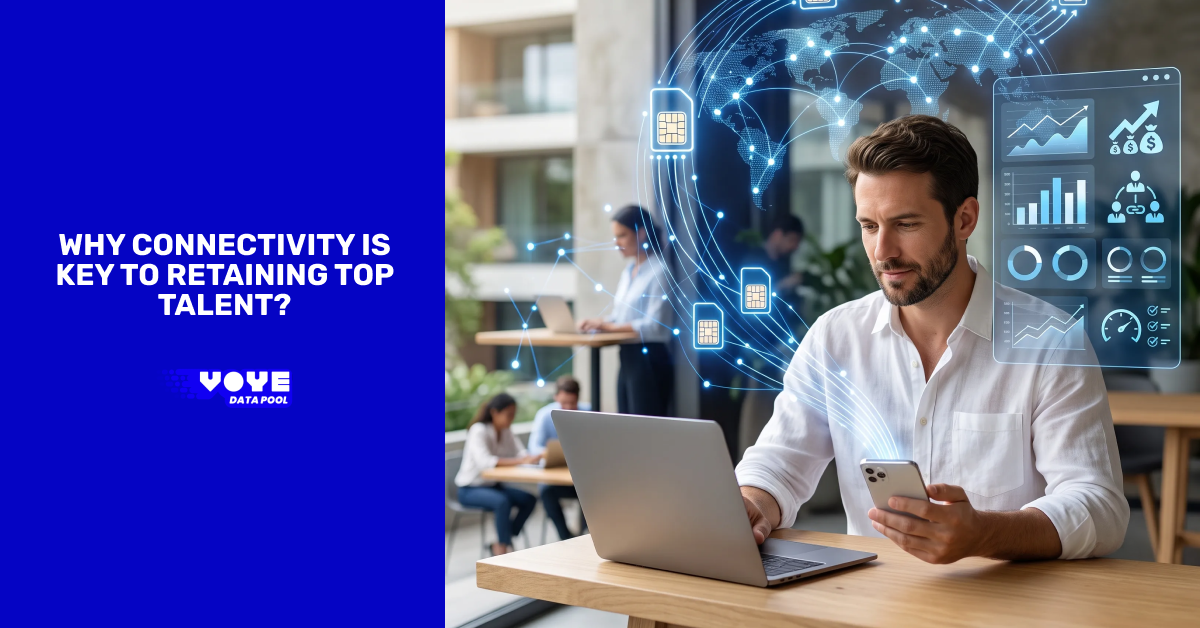
In today’s competitive hiring landscape, attracting skilled professionals is only half the battle. The real challenge for organizations is keeping their best employees engaged, productive, and committed over the long term. As workplaces become increasingly digital, employees expect seamless access to communication tools, business resources, and collaboration platforms wherever they work. Connectivity has become a critical factor that influences how employees experience their jobs and how they perceive their employers.
The shift toward hybrid work, remote teams, and international business travel has transformed workplace expectations. Employees no longer work exclusively from a single office location. They move between home offices, client sites, airports, hotels, and coworking spaces. In this environment, reliable connectivity is no longer a convenience. It is a business necessity that directly impacts employee experience, productivity, and retention.
The Connection Between Workforce Connectivity and Employee Retention
Employee retention remains one of the most important priorities for HR leaders. Recruiting, hiring, onboarding, and training new employees require significant time and resources. When valuable employees leave, organizations often experience productivity losses, knowledge gaps, and increased operational costs.
Modern employee retention strategies focus on creating an environment where employees feel supported, empowered, and equipped to succeed. One of the most overlooked factors in this equation is workforce connectivity. Employees who can access the tools and information they need without interruption are more likely to remain productive and satisfied in their roles.
Connectivity challenges can quickly become a source of frustration. Missed meetings, delayed communications, limited access to work systems, and unreliable internet connections can negatively affect daily performance. Over time, these issues can impact morale and contribute to turnover. By prioritizing workforce connectivity, organizations can strengthen employee retention while creating a more positive work environment.

Stay Connected Anywhere
Reliable data solutions for employees traveling across global destinations.
Why Connectivity Has Become a Workplace Essential?
Technology now sits at the center of nearly every business function. Communication, project management, customer support, collaboration, and decision-making all depend on employees being connected.
A connected workforce benefits organizations in several important ways:
- Faster communication and collaboration.
- Greater productivity across locations.
- Improved employee experience.
- Better support for mobile and remote employees.
- Stronger employee engagement and retention.
When employees can work without connectivity barriers, they spend more time focusing on meaningful tasks rather than troubleshooting technical issues. This creates a smoother workforce experience and helps employees feel supported by their employer.
Organizations that invest in connectivity are investing in their people. Employees notice when companies provide the resources needed to perform their jobs effectively, and that support can have a lasting impact on employee retention benefits.
Employee Experience Is Directly Influenced by Connectivity
Employee experience has become a major focus area for HR departments around the world. Every interaction an employee has with workplace systems, colleagues, and leadership contributes to their overall perception of the organization.
Connectivity plays a central role in shaping these experiences. Employees expect immediate access to information, smooth communication channels, and reliable digital tools. When these expectations are met, employees can work more efficiently and with greater confidence.
A positive employee experience contributes to stronger employee engagement, higher productivity, and greater job satisfaction. Employees who consistently experience unnecessary obstacles may become disengaged over time. This is why connectivity should be viewed as an essential component of any employee retention strategy.
Organizations that support a connected workforce create an environment where employees can focus on innovation, collaboration, and performance rather than technical limitations.
How Travel Connectivity Supports a Modern Workforce?
Business travel continues to play an important role across many industries. Employees frequently travel to attend meetings, support clients, participate in conferences, and manage international operations. While travel creates opportunities for growth and collaboration, it can also introduce challenges when employees struggle to stay connected. Organizations that include connectivity support within their HR travel benefits strategy are better equipped to help employees remain productive, responsive, and engaged regardless of location. Reliable access to communication platforms, business applications, and essential work resources reduces travel-related disruptions and creates a smoother experience for employees. As companies expand across regions and international markets, supporting connected travel experiences has become an important part of improving employee satisfaction, strengthening retention efforts, and ensuring business continuity.
Supporting Remote Workforce Management
Remote and hybrid work arrangements are now a permanent reality for many organizations. Effective remote workforce management depends heavily on connectivity. Employees must be able to communicate, collaborate, access files, and participate in meetings without interruption.
Remote work connectivity enables teams to maintain productivity regardless of location. When employees have reliable access to workplace tools, they can complete tasks efficiently and contribute effectively to team goals.
Poor connectivity can create communication delays, missed opportunities, and unnecessary frustration. These challenges can negatively affect both employee performance and employee satisfaction.
Organizations that prioritize remote workforce management through reliable connectivity solutions create an environment where employees feel empowered to succeed. This support strengthens employee engagement while helping businesses maintain operational efficiency.
Power Global Workforce
Keep teams productive with seamless connectivity across every location.
Employee Engagement Begins With Connection
Employee engagement is influenced by how connected employees feel to their work, colleagues, and organizational mission. Connectivity serves as the foundation for many of these interactions.
Employees who can communicate easily, participate in collaborative projects, and access information in real time are more likely to feel engaged in their roles. This sense of connection strengthens workplace relationships and contributes to a more positive organizational culture.
Employee engagement and retention often go hand in hand. Engaged employees are more likely to remain committed to their employer and contribute to long-term business success. By improving workforce connectivity, organizations can create more opportunities for meaningful engagement across teams and departments.
In a digital workplace, connection is no longer limited to physical proximity. Employees need reliable access to communication and collaboration tools that keep them involved and informed, regardless of where they work.
The Role of Global Workforce Connectivity
Businesses increasingly operate across multiple countries, regions, and time zones. Managing a global workforce requires reliable systems that allow employees to stay connected no matter where they are located.
Global workforce connectivity supports collaboration among distributed teams and helps organizations maintain consistency across operations. Employees working internationally need access to the same resources and communication channels available to colleagues in other locations.
International business travel further increases the importance of connectivity. Employees traveling abroad often depend on mobile connectivity for business travelers to communicate with clients, access work systems, manage schedules, and collaborate with teammates.
Organizations that support travel benefits for employees and prioritize business traveler connectivity are better positioned to maintain productivity across global operations. These efforts also contribute to a stronger workforce experience by reducing common challenges associated with international travel.
Solutions from Voye Data Pool help organizations support global workforce connectivity while simplifying connectivity management for distributed teams and mobile professionals.
Connectivity as a Strategic Employee Retention Tool
As workplace expectations continue to evolve, connectivity is becoming a strategic advantage for organizations seeking to attract and retain top talent. Employees increasingly expect flexible work arrangements, seamless communication, and uninterrupted access to business resources.
Connectivity supports many of the factors that influence employee retention, including employee experience, employee engagement, productivity, and workplace flexibility. Organizations that invest in these areas demonstrate a commitment to employee success.
Strong corporate travel benefits, reliable remote work connectivity, and effective support for a connected workforce all contribute to a workplace environment where employees can thrive. These investments help organizations build stronger relationships with employees while supporting long-term growth objectives.
Connectivity is no longer simply an operational requirement. It has become an important part of how employees evaluate their workplace experience and decide whether to remain with an organization.
Organizations that prioritize workforce connectivity are better equipped to meet the needs of today’s workforce. Employees expect reliable access to the tools, information, and communication channels required to perform their jobs effectively. When those expectations are met, employees are more likely to remain engaged, productive, and committed to their employer.
As businesses continue embracing flexible work models, international business travel, and distributed teams, connectivity will remain a key driver of employee retention. By investing in employee experience, supporting business travel benefits, and strengthening global workforce connectivity, organizations can create a workplace that attracts top talent, supports long-term success, and builds a truly connected workforce.
Conclusion
Connectivity has become a fundamental part of the modern workplace, influencing how employees collaborate, communicate, and perform their daily responsibilities. From supporting remote workforce management to enabling seamless international business travel, reliable connectivity directly impacts employee experience, employee engagement, and overall job satisfaction. Organizations that invest in workforce connectivity create an environment where employees can stay productive, connected, and focused regardless of their location.
As competition for skilled talent continues to grow, businesses must look beyond traditional benefits and embrace solutions that support the evolving needs of today’s workforce. Prioritizing global workforce connectivity, strengthening business traveler connectivity, and enhancing travel benefits for employees can play a significant role in improving employee retention. By creating a truly connected workforce and delivering a seamless work experience, organizations can build stronger teams, increase loyalty, and position themselves for long-term success in an increasingly digital world.
Support Business Travelers
Provide uninterrupted connectivity for employees working beyond the office.