


Controlling IoT Data Costs on a Global Scale
Managing IoT connectivity across multiple countries can quickly increase operational costs without the right strategy. This blog explains how businesses can control IoT costs through global eSIM connectivity, centralized SIM management, flexible data plans, and real-time usage monitoring. Learn practical ways to reduce roaming expenses, improve operational efficiency, and scale international IoT deployments with reliable connectivity solutions from Voye Data Pool.


 6 min read
 Share
Share
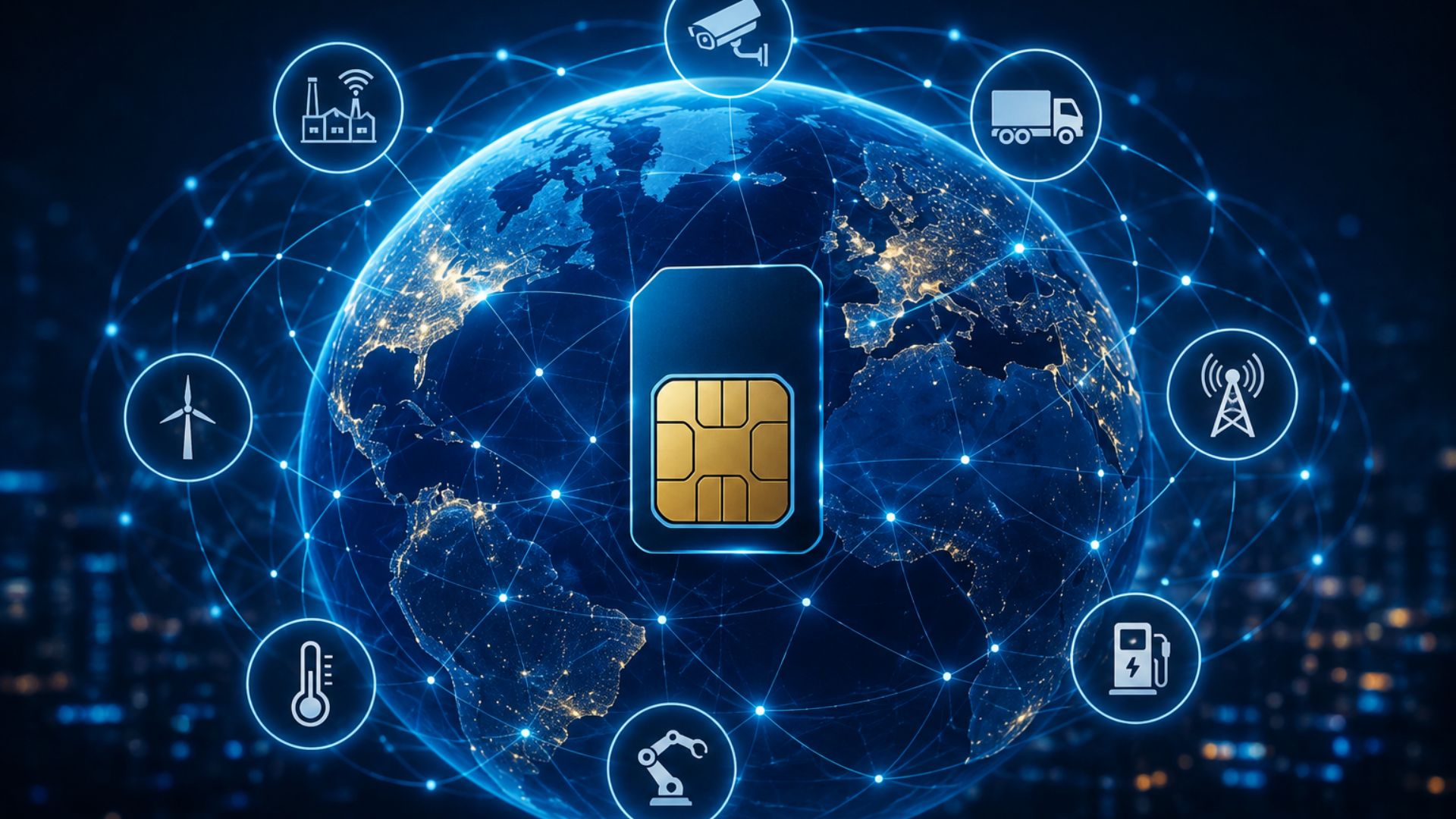
As IoT adoption continues to expand across industries, organizations are connecting thousands of devices to support operations, improve visibility, and automate critical processes. From logistics and manufacturing to retail and utilities, these connected devices generate valuable data that helps businesses make informed decisions.
However, managing connectivity for devices spread across multiple countries also introduces a major challenge—keeping communication costs under control. Without a clear strategy, data overages, roaming charges, and inefficient network management can quickly increase operational expenses.
Businesses looking to control IoT costs need a scalable connectivity solution that provides visibility, flexibility, and reliable performance worldwide. This is where Voye Data Pool helps organizations simplify global IoT connectivity while maintaining predictable operating costs.
Why IoT Data Costs Rise in Global Deployments?
Managing a few connected devices is relatively straightforward. The complexity increases when businesses deploy hundreds or thousands of IoT devices across different countries.
Several factors contribute to higher connectivity expenses:
- Unpredictable Data Usage
Not every IoT device consumes the same amount of data. Security cameras, vehicle tracking systems, industrial sensors, payment terminals, and smart vending machines all have different usage patterns.
Without proper monitoring, unexpected spikes in data consumption can result in higher monthly costs.
- International Roaming Charges
Traditional SIM cards often rely on roaming agreements when devices move across borders. For businesses operating internationally, roaming fees can become one of the largest connectivity expenses.

Control Global IoT Costs Efficiently
Reduce connectivity expenses with reliable global eSIM solutions.
- Multiple Carrier Contracts
Working with separate mobile operators in every country creates administrative overhead. Different pricing models, billing systems, contracts, and support teams make cost management increasingly difficult.
- Inactive or Underutilized Devices
Many organizations continue paying for SIMs installed in devices that are no longer transmitting data or are temporarily offline. These unnecessary subscriptions quietly increase monthly expenses.
Strategies to Control IoT Costs Effectively
Reducing connectivity expenses does not mean compromising device performance. Instead, it involves implementing smarter management practices supported by a reliable connectivity partner.
Choose Flexible Global Connectivity
Rather than managing multiple regional providers, businesses benefit from using a single global connectivity platform.
A centralized solution allows organizations to:
- Simplify deployment across countries
- Reduce administrative work
- Maintain consistent pricing
- Improve operational visibility
This approach makes it much easier to control IoT costs while supporting international expansion.
Monitor Data Usage in Real Time
Real-time visibility is essential for identifying unusual consumption patterns before they become expensive problems.
Businesses should regularly monitor:
- Device-level data usage
- Regional consumption trends
- Monthly usage reports
- Unexpected spikes in traffic
Early detection helps prevent unnecessary overage charges and allows teams to optimize device configurations.
Match Data Plans to Device Requirements
Every connected device has different communication needs.
For example:
- Environmental sensors transmit only small packets of data.
- Smart meters report information periodically.
- Fleet tracking systems require more frequent communication.
- Video surveillance devices consume significantly more bandwidth.
Selecting the appropriate data plan for each application prevents paying for capacity that devices never use.
Centralized SIM Management Improves Cost Control
Managing thousands of SIM cards individually is inefficient.
Modern IoT platforms allow organizations to manage their entire deployment from a single dashboard. Administrators can:
- Activate or suspend SIMs instantly
- View real-time connectivity status
- Track usage by device
- Allocate resources efficiently
- Detect inactive devices
This centralised management significantly reduces operational complexity while helping organizations control IoT costs more effectively.
Keep Every IoT Device Connected
Maintain seamless global eSIM connectivity while optimizing data.
Reduce Roaming Expenses with Global IoT Connectivity
International deployments frequently depend on roaming, especially in logistics, transportation, and supply chain operations.
Traditional roaming models often involve:
- Higher per-MB pricing
- Variable carrier agreements
- Unexpected billing
- Limited visibility
Global IoT connectivity solutions eliminate much of this complexity by providing consistent coverage across multiple countries under a unified platform.
Businesses gain predictable pricing while maintaining reliable connectivity wherever devices operate.
Use Data Pooling for Greater Efficiency
Many organizations discover that some devices consistently use very little data while others occasionally require much more.
Data pooling allows businesses to share available data across multiple connected devices rather than assigning fixed limits to each SIM.
Benefits include:
- Better utilization of purchased data
- Lower risk of overage charges
- Improved cost predictability
- More efficient resource allocation
For organizations with thousands of connected assets, pooled data plans can significantly improve cost efficiency.
Automate Usage Policies
Automation helps prevent unnecessary expenses without requiring constant manual monitoring.
Organizations can create policies that automatically:
- Suspend inactive SIM cards
- Trigger alerts when usage thresholds are reached
- Detect abnormal device behavior
- Limit excessive data consumption
- Generate automated usage reports
These automated controls reduce human error while ensuring better budget management.
Optimize Device Communication
Connectivity costs are not determined solely by the network. Device configuration also plays an important role.
Businesses should review:
- Reporting frequency
- Data compression methods
- Firmware update schedules
- Communication protocols
- Background data transmissions
Even small adjustments across thousands of devices can result in substantial annual savings.
Why Scalable Connectivity Matters?
As businesses expand into new markets, connectivity requirements become increasingly complex.
A scalable IoT solution should provide:
- Multi-country coverage
- Reliable network availability
- Flexible data plans
- Centralized management
- Transparent billing
- Enterprise-grade security
Having these capabilities in place enables organizations to grow confidently without introducing unpredictable connectivity expenses.
How Voye Data Pool Supports Global IoT Deployments?
Voye Data Pool provides businesses with reliable global connectivity designed to simplify IoT operations while helping organizations control IoT costs.
With flexible enterprise connectivity solutions, businesses can:
- Connect devices across multiple countries
- Manage deployments from one platform
- Improve visibility into data usage
- Reduce administrative complexity
- Scale operations with confidence
- Support a wide range of IoT applications
Whether managing connected logistics fleets, industrial equipment, smart retail solutions, or remote monitoring systems, organizations benefit from secure and dependable connectivity tailored for global operations.
Conclusion
Managing IoT connectivity across international deployments doesn’t have to result in rising operational expenses. By adopting centralized management, flexible data plans, intelligent monitoring, and global connectivity, businesses can significantly improve efficiency while keeping costs predictable.
As IoT ecosystems continue to grow, choosing the right connectivity partner becomes just as important as selecting the devices themselves. Businesses that proactively optimize their connectivity strategy today will be better positioned for long-term growth, scalability, and operational success.
Scale IoT with Smarter Connectivity
Power worldwide IoT deployments with secure eSIM connectivity.