

Tracking Assets Across Borders with M2M Data Plans
Tracking Assets Across Borders with M2M Data Plans explores how logistics companies can improve global asset visibility, enhance shipment security, and streamline international supply chain operations through reliable machine-to-machine connectivity. The blog explains the benefits of real-time tracking, predictive maintenance, centralized device management, and scalable connectivity for cross-border transportation. It also highlights how dependable connectivity supports operational efficiency, regulatory compliance, and informed decision-making, helping logistics businesses optimize performance while reducing costs and minimizing disruptions.


 7 min read
 Share
Share
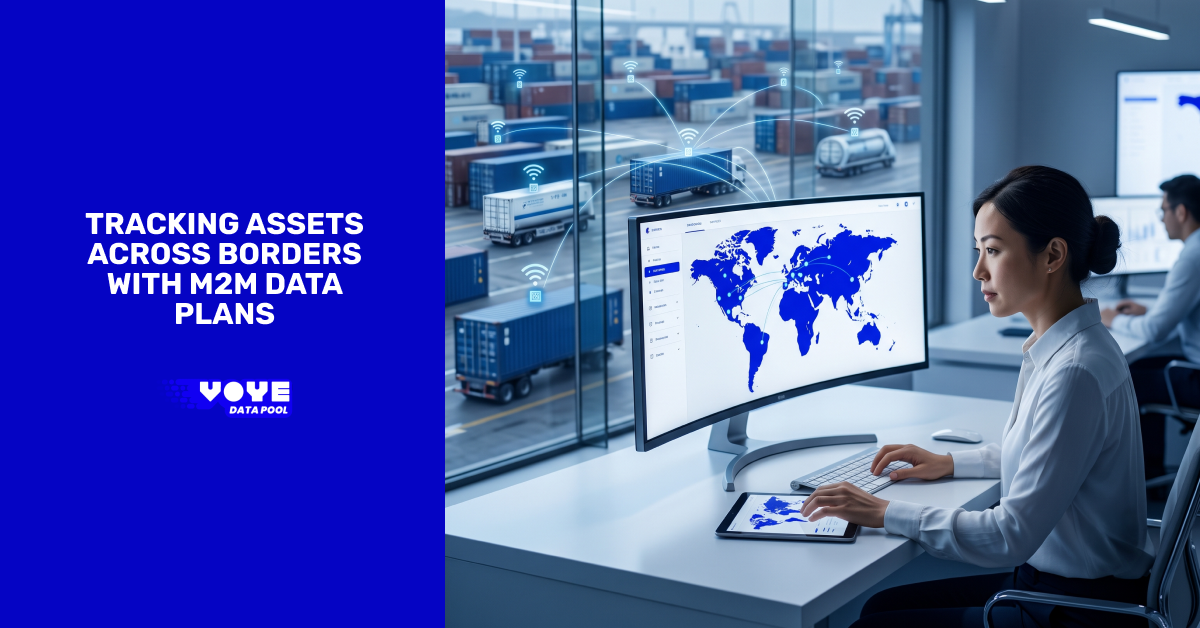
Global logistics has become increasingly interconnected, with businesses moving goods, equipment, and high-value assets across multiple countries every day. As supply chains expand, maintaining complete visibility over these assets has become one of the biggest operational priorities for logistics companies. Delays, theft, misplaced shipments, and communication gaps can quickly lead to increased costs and dissatisfied customers. To remain competitive, logistics businesses need reliable technology that provides real-time insights into every stage of an asset’s journey.
Modern connectivity has transformed the way organizations monitor assets in transit. Instead of relying on manual updates or fragmented tracking systems, companies now use connected devices that continuously transmit location and operational data. This enables logistics teams to make informed decisions, respond to disruptions faster, and improve overall efficiency. Machine-to-Machine connectivity has emerged as a critical solution for businesses seeking secure, scalable, and uninterrupted communication across international borders.
Why Cross-Border Asset Tracking Is Essential?
International transportation involves multiple carriers, customs checkpoints, warehouses, and distribution centers. Every transition introduces the possibility of delays or operational challenges. Without continuous visibility, logistics companies may struggle to determine the exact location of valuable assets, resulting in poor customer communication and increased operational expenses.
Connected tracking systems eliminate much of this uncertainty by providing accurate location updates throughout the shipment lifecycle. Businesses can monitor vehicles, cargo containers, trailers, industrial equipment, and valuable inventory in real time. This level of visibility allows logistics managers to optimize routes, reduce idle time, and improve resource planning while ensuring assets reach their destinations safely.
Real-time monitoring also helps organizations quickly identify unexpected route deviations, unauthorized movement, or delivery delays before they become costly problems.

Simplify Fleet Connectivity
Enable seamless communication across global logistics networks with dependable connectivity.
How Connected Devices Improve Logistics Operations?
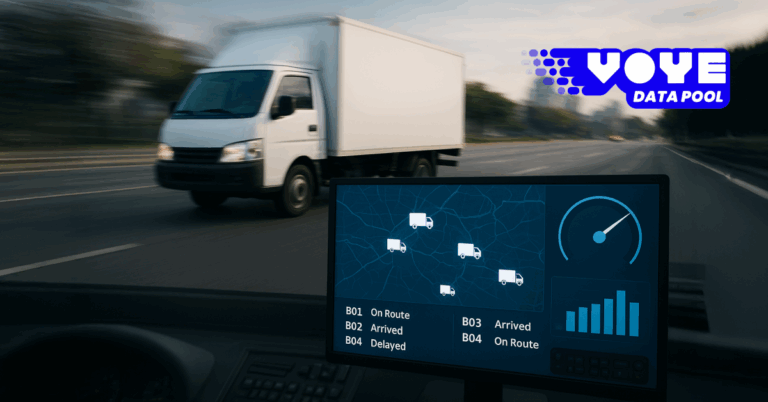
Connected devices equipped with GPS trackers, environmental sensors, and telematics systems continuously exchange operational information without requiring human intervention. These devices depend on reliable connectivity to send data regardless of the country or mobile network being used.
This is where M2M data plans play a vital role in global logistics. Designed specifically for connected devices rather than consumer smartphones, they provide dependable communication that supports uninterrupted asset tracking across international borders.
By using intelligent connectivity solutions, logistics businesses gain consistent access to operational data, allowing them to improve fleet coordination, inventory management, and shipment visibility from a centralized platform.
Improving Visibility Across International Supply Chains
Supply chain visibility has become one of the most important competitive advantages for logistics providers. Customers expect accurate delivery timelines and proactive communication whenever disruptions occur.
Organizations using M2M data plans can monitor shipments continuously as they travel through ports, highways, warehouses, rail networks, and international borders. This uninterrupted flow of information allows dispatch teams to anticipate delays, reroute shipments when necessary, and provide customers with accurate delivery updates.
Improved visibility also enables better coordination between transportation partners, warehouse operators, and distribution centers. Instead of waiting for manual status reports, every stakeholder has access to reliable operational data that supports faster decision-making.
Enhancing Fleet Management and Vehicle Performance
Fleet operations involve far more than simply tracking vehicle locations. Modern logistics companies also monitor fuel efficiency, driver behavior, engine diagnostics, maintenance schedules, and route performance.
Connected telematics systems collect valuable operational information that helps fleet managers reduce unnecessary costs while improving overall efficiency. Continuous monitoring identifies maintenance requirements before equipment failures occur, reducing vehicle downtime and avoiding expensive emergency repairs.
Reliable connectivity ensures this information remains available even when vehicles operate across multiple countries. Logistics businesses can confidently manage international fleets without worrying about inconsistent communication or fragmented tracking systems.
Strengthening Security for Valuable Assets
Cargo theft remains a significant challenge within global logistics. High-value shipments, specialized equipment, and commercial vehicles are attractive targets during international transportation.
Continuous monitoring supported by M2M data plans strengthens security through real-time location tracking and automated alerts. Logistics teams receive immediate notifications if assets leave approved routes, enter unauthorized areas, or remain stationary for unexpected periods.
Geofencing technology adds another layer of protection by creating virtual boundaries around designated operating zones. If an asset crosses these boundaries without authorization, managers are instantly informed and can respond quickly.
These security measures help reduce financial losses while increasing confidence throughout the transportation process.
Supporting Predictive Maintenance and Operational Efficiency
Unexpected equipment failures can significantly disrupt delivery schedules. Every hour of unplanned downtime increases operational costs and affects customer satisfaction.
Connected monitoring systems continuously evaluate equipment performance, allowing businesses to detect warning signs before major mechanical failures occur. Fleet managers can schedule maintenance proactively instead of reacting after breakdowns.
Predictive maintenance also extends equipment lifespan by addressing smaller issues before they become expensive repairs. This improves fleet availability while reducing maintenance costs over time.
For logistics businesses managing hundreds or thousands of connected assets, predictive insights create measurable improvements in operational efficiency and long-term profitability.
Optimize Asset Tracking
Ensure uninterrupted connectivity for smarter cross-border asset monitoring operations.
Scaling Connectivity for Growing Logistics Networks
As logistics companies expand into new markets, managing connectivity across different countries becomes increasingly complex. Supporting thousands of connected devices using separate regional providers often creates unnecessary administrative challenges.
Scalable M2M data plans simplify this process by providing centralized connectivity management for globally deployed devices. Businesses can activate, monitor, and manage connected assets through a unified platform rather than coordinating multiple connectivity providers.
This scalability allows organizations to grow confidently while maintaining consistent operational visibility across expanding transportation networks.
Supporting Compliance and Reliable Data Collection
International logistics companies operate under strict regulatory requirements involving transportation records, shipment monitoring, customs documentation, and operational reporting.
Connected asset tracking systems automatically collect accurate operational data throughout every shipment. Automated reporting reduces human error while ensuring records remain consistent and complete.
Reliable connectivity also prevents information gaps during international transportation. Consistent communication helps businesses maintain compliance while providing valuable operational insights for performance analysis and strategic planning.
Historical tracking data further supports auditing requirements, insurance claims, and process improvements that strengthen long-term logistics performance.
Choosing the Right Connectivity Solution
Selecting the right connectivity solution involves more than simply providing network access. Logistics organizations should evaluate scalability, reliability, security, centralized management capabilities, and international coverage before deploying connected asset tracking systems.
An effective solution should provide uninterrupted communication across multiple countries while supporting thousands of connected devices. It should also simplify device management, improve operational visibility, and maintain secure data transmission throughout the asset lifecycle.
Key capabilities to prioritize include:
- Real-time asset tracking across international borders
- Secure and reliable device connectivity
- Centralized management for connected devices
- Predictive maintenance support
- Automated reporting and operational analytics
For organizations seeking dependable global connectivity, Voye Data Pool provides scalable solutions that support connected logistics operations. Businesses looking to strengthen their enterprise IoT connectivity strategy can leverage reliable global connectivity to improve visibility, simplify device management, and enhance operational efficiency across international supply chains.
Conclusion
The future of logistics will continue to rely on connected technologies, automation, and intelligent data analysis. Artificial intelligence, predictive analytics, and advanced IoT platforms will further improve the ability to monitor assets, optimize transportation routes, and reduce operational costs. Organizations that establish reliable connectivity today will be well-positioned to adapt to these evolving technologies while maintaining a competitive advantage.
Cross-border logistics demands complete visibility, reliable communication, and continuous operational intelligence. Businesses that invest in connected asset tracking supported by M2M data plans gain the ability to monitor assets in real time, improve fleet performance, strengthen security, reduce downtime, and optimize supply chain operations. As global commerce continues to expand, dependable connectivity will remain one of the most valuable investments logistics organizations can make for long-term success.
Stay Connected Globally
Power international logistics with secure and reliable global connectivity solutions today.