Logistics Tracking Data: Ensuring Supply Chain Visibility
Effective logistics tracking data helps businesses gain complete visibility across every stage of the supply chain. From monitoring shipments in real time to reducing delays and improving operational efficiency, accurate tracking enables faster, data-driven decisions. This blog explains how connected logistics systems strengthen supply chain performance, minimize risks, enhance customer satisfaction, and prepare organizations for future digital transformation through reliable connectivity and intelligent tracking solutions.


 6 min read
 Share
Share
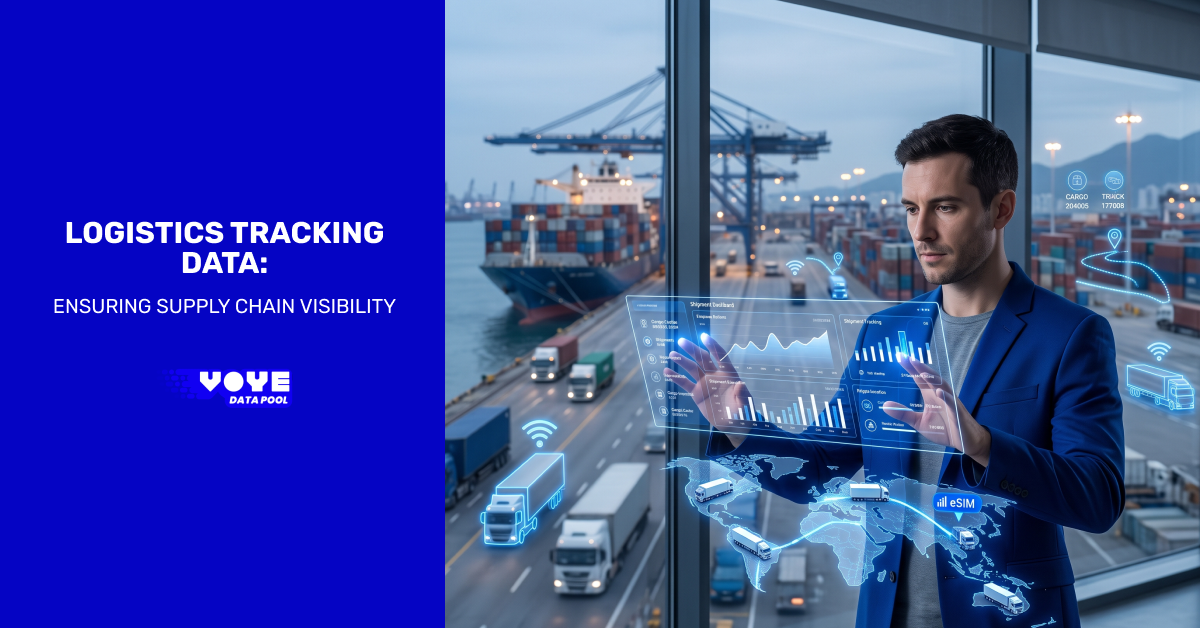
Supply chains have become more interconnected than ever before. Products often move across multiple regions, transportation networks, warehouses, and distribution centers before reaching their final destination. Every stage creates valuable information that businesses can use to improve operations, reduce delays, and make smarter decisions. Without reliable visibility into these movements, organizations face inventory shortages, shipment delays, unexpected costs, and dissatisfied customers. Modern businesses need accurate data that provides complete oversight from origin to delivery.
As customer expectations continue to rise, organizations are investing in technologies that provide continuous shipment monitoring and operational transparency. Real-time insights allow supply chain managers to identify disruptions before they become major problems. Instead of reacting after an issue occurs, companies can proactively adjust routes, allocate resources, and communicate updates to stakeholders. This ability to make informed decisions has made data-driven supply chain management an essential competitive advantage across industries.
Why Supply Chain Visibility Matters?
Supply chain visibility refers to the ability to monitor products, assets, and transportation activities throughout every stage of the logistics process. Visibility enables organizations to understand where shipments are located, how inventory levels are changing, and whether deliveries are progressing according to schedule.
Limited visibility often results in delayed deliveries, inefficient warehouse operations, inaccurate forecasting, and higher transportation expenses. Businesses that lack real-time insights frequently struggle to respond quickly when unexpected events occur, including weather disruptions, customs delays, equipment failures, or changing customer demands.

Power Smart Logistics
Support seamless supply chain operations through secure worldwide device connectivity.
Complete visibility creates confidence across every department involved in logistics. Procurement teams gain better planning capabilities, warehouse managers optimize inventory, transportation coordinators improve delivery schedules, and executives make decisions based on reliable operational intelligence rather than assumptions.
The Growing Importance of Logistics Tracking Data
Accurate logistics tracking data serves as the foundation of modern supply chain visibility. Every shipment generates valuable information, including its location, movement history, estimated arrival time, handling conditions, and transportation status. When collected consistently, this information creates a comprehensive view of supply chain performance.
Organizations use this data to identify recurring delays, evaluate transportation partners, optimize warehouse operations, and improve customer communication. Rather than relying on manual reporting, automated tracking delivers timely updates that support faster decision-making across the entire logistics network.
As supply chains become increasingly global, data accuracy becomes even more important. Multiple transportation providers, border crossings, distribution hubs, and delivery partners create complexity that only reliable tracking systems can simplify.
How Real-Time Connectivity Supports Better Logistics?
Reliable connectivity plays a critical role in maintaining continuous visibility throughout the supply chain. Connected devices installed in trucks, containers, trailers, pallets, and valuable assets continuously transmit operational information back to centralized management platforms.
These connected systems support:
- Live shipment monitoring across transportation routes
- Continuous inventory movement updates
- Immediate notification of unexpected delays
- Improved communication between logistics teams
When connectivity remains uninterrupted, decision-makers receive accurate operational insights without waiting for manual status reports.
Improving Operational Efficiency Through Better Data
Businesses generate enormous amounts of operational information every day. The challenge is not collecting information but transforming it into meaningful business intelligence. High-quality logistics tracking data allows organizations to recognize patterns that improve efficiency across transportation and warehouse operations.
Managers can identify frequently delayed shipping lanes, compare carrier performance, optimize warehouse staffing, reduce idle inventory, and improve delivery scheduling. Historical tracking information also supports demand forecasting by revealing seasonal transportation trends and recurring operational bottlenecks.
Improved efficiency directly impacts operating costs. Faster deliveries reduce storage expenses, optimized transportation routes lower fuel consumption, and better planning minimizes emergency shipping costs. Each improvement contributes to stronger financial performance while maintaining better customer satisfaction.
Reducing Risk Across Complex Supply Chains
Every supply chain faces uncertainty. Weather events, labor shortages, customs inspections, infrastructure disruptions, and unexpected demand fluctuations can affect delivery schedules. Organizations that rely on incomplete information often discover problems only after customers experience delays.
Comprehensive tracking enables businesses to detect developing issues much earlier. Automated alerts can notify managers when shipments deviate from planned routes, remain stationary for extended periods, or approach delivery deadlines.
Earlier detection allows logistics teams to develop contingency plans before disruptions escalate. Alternative transportation routes, inventory redistribution, or revised delivery schedules can reduce operational impact while maintaining customer confidence.
Risk management also benefits regulatory compliance. Industries with strict transportation requirements can document shipment history, movement records, and handling conditions using centralized tracking information.
Improve Fleet Visibility
Monitor connected assets efficiently with reliable global network connectivity solutions.
Data Driven Decision Making in Modern Logistics
Successful supply chain management depends on making informed decisions quickly. Executives require accurate operational insights to allocate resources efficiently, evaluate performance, and plan future investments.
Reliable logistics tracking data provides measurable performance indicators across multiple operational areas. Transportation managers can analyze delivery accuracy, warehouse teams monitor inventory turnover, procurement departments evaluate supplier performance, and finance teams calculate transportation costs more accurately.
Analytics generated from tracking information help organizations answer important questions, including:
- Which transportation routes consistently experience delays?
- Which distribution centers process shipments most efficiently?
- Where are inventory bottlenecks occurring?
- How can transportation costs be reduced without affecting service quality?
Instead of relying on assumptions, organizations make decisions supported by measurable operational evidence.
Supporting Customer Expectations
Customers increasingly expect accurate delivery estimates and proactive communication. Businesses that cannot provide shipment visibility risk losing customer trust, particularly in competitive markets where delivery performance influences purchasing decisions.
Real-time shipment updates improve transparency throughout the customer journey. Accurate estimated arrival times, delay notifications, and delivery confirmations create a better customer experience while reducing support inquiries.
Improved communication also strengthens relationships between manufacturers, distributors, retailers, and logistics providers. Everyone involved works from the same operational information, reducing misunderstandings and improving collaboration.
Building Smarter Supply Chain Networks
Technology continues transforming logistics into a highly connected ecosystem. Sensors, connected devices, cloud platforms, automation, and artificial intelligence all contribute to greater operational visibility.
These technologies work together by collecting transportation information, processing large volumes of operational data, identifying unusual patterns, and recommending actions before disruptions affect deliveries.
Organizations investing in connected infrastructure position themselves for long-term operational improvements. They gain greater flexibility to expand internationally, manage larger transportation networks, and respond faster to changing customer expectations.
Reliable connectivity becomes the invisible foundation supporting these advanced capabilities. Without continuous communication between connected assets and management platforms, even the most sophisticated analytics cannot deliver accurate insights.
Enabling Global Visibility Through Connected Infrastructure
International logistics introduces additional complexity due to multiple carriers, varying network coverage, customs procedures, and cross-border transportation requirements. Maintaining uninterrupted connectivity across different regions becomes essential for continuous shipment monitoring.
Voye Data Pool helps organizations simplify global connectivity by supporting connected devices across international operations while reducing communication gaps. Businesses operating large fleets or distributed logistics networks benefit from consistent access to operational information regardless of location. This strengthens visibility, improves decision-making, and supports scalable supply chain operations.
As organizations continue expanding globally, reliable connectivity will remain one of the most important components of digital logistics transformation.
Stay Connected Globally
Enable uninterrupted logistics connectivity across every shipment and transportation route.