

How to Equip Your Team for International Conferences?
International conferences require careful planning, reliable communication, and efficient coordination to ensure team success. This blog explores how event managers can prepare teams for global conferences through better connectivity, travel planning, networking strategies, cultural awareness, and technology readiness. It also highlights the importance of reliable global connectivity solutions for maintaining productivity and communication during high-pressure international events. With practical insights and operational guidance, this blog helps organizations improve conference performance and maximize business opportunities worldwide.


 8 min read
 Share
Share
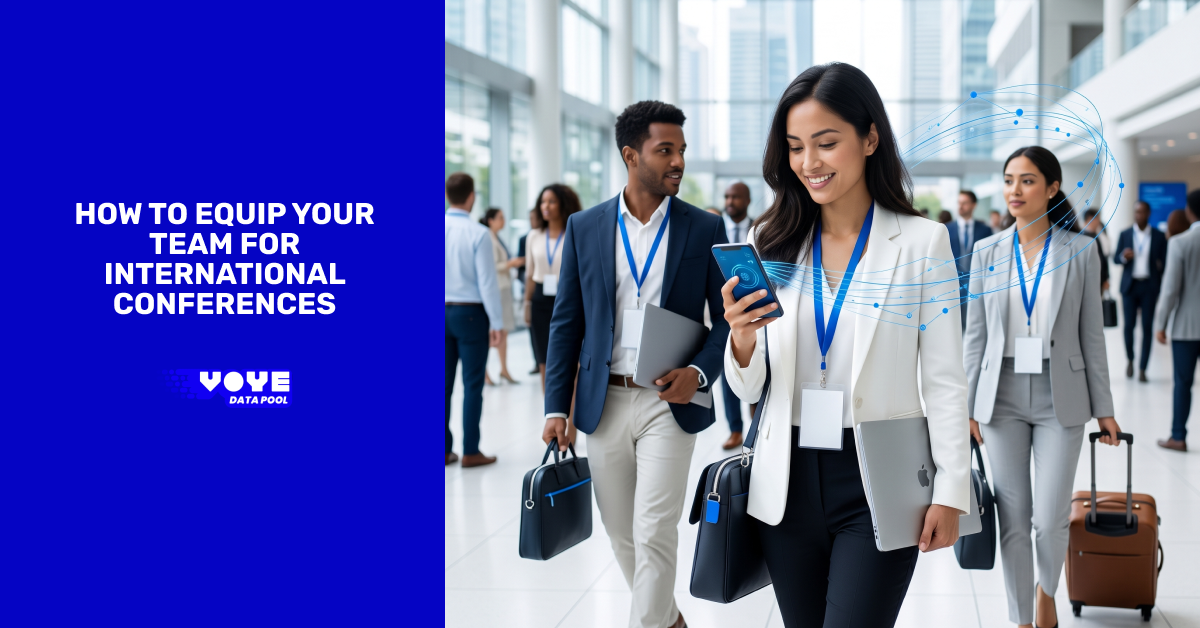
International conferences create valuable opportunities for companies to build partnerships, strengthen industry visibility, and stay ahead of market trends. For event managers, however, preparing a team for a global conference involves far more than booking flights and reserving hotel rooms. Every detail matters, from communication tools and connectivity to scheduling, cultural awareness, and productivity planning. A poorly prepared team can miss opportunities, struggle with coordination, and leave a weak impression on attendees and partners.
Modern international events are highly competitive environments where businesses need to operate efficiently across different time zones, venues, and networking sessions. Event managers are now expected to create seamless experiences not only for attendees but also for their own internal teams. Equipping staff members with the right resources before departure can dramatically improve engagement, performance, and overall conference outcomes. Proper preparation also reduces stress and allows team members to focus on strategic interactions instead of logistical problems.
Understand the Goals Before the Event
The first step in preparing your team is identifying the purpose of attending the conference. Some organizations participate in generating leads, while others focus on networking, partnerships, or showcasing products and services. Event managers should define measurable objectives before assigning responsibilities to team members.
A clear roadmap helps employees understand what success looks like during the event. Team members should know whether their priority is collecting qualified leads, attending keynote sessions, managing booth operations, or arranging post-conference meetings. When everyone understands the broader objective, collaboration becomes smoother and more productive.
It is also important to establish communication expectations before the conference begins. Teams attending international events often become separated across exhibition halls, breakout sessions, and networking functions. Without a communication strategy, information gaps can quickly appear. Event managers should implement a system for updates, daily recaps, and emergency coordination.

Stay Connected Worldwide
Reliable international data access for seamless conference communication and productivity.
Prioritize Reliable Connectivity for the Team
One of the biggest operational challenges at global conferences is maintaining reliable internet access. International venues often experience overloaded public networks, especially during keynote presentations or peak networking hours. Teams that rely solely on the venue’s internet frequently experience slow speeds, connection failures, and limited access to essential applications.
Reliable mobile connectivity is now considered a core business requirement for conference teams. Staff members need uninterrupted access to communication apps, CRM systems, cloud documents, event platforms, and navigation tools throughout the conference experience. This becomes even more critical when teams are traveling internationally and dealing with roaming restrictions or inconsistent local SIM card services.
Many event managers now invest in dedicated connectivity solutions to ensure operational continuity. Solutions like conference attendee WiFi help teams remain connected without depending entirely on unstable venue networks. A stable connection supports faster coordination, smoother client communication, and real-time reporting during high-pressure event schedules.
Prepare Team Members for Cultural and Business Differences
International conferences bring together professionals from different countries, industries, and communication styles. Event managers should ensure their teams are prepared to navigate cultural expectations professionally and respectfully.
Simple preparation can make a significant difference. Team members should understand regional business etiquette, greeting customs, meeting protocols, and communication preferences. In some countries, direct sales conversations are welcomed immediately, while others prioritize relationship building before discussing business opportunities.
Cultural awareness training also helps teams avoid misunderstandings that could damage professional relationships. Employees representing a company at an international conference effectively become brand ambassadors. Their behavior, professionalism, and adaptability directly influence how the organization is perceived by global audiences.
Language preparation can also improve confidence during networking interactions. While English is commonly used at many international conferences, attendees may speak with varying accents or communication styles. Encouraging active listening and patience during conversations can help teams build stronger professional connections.
Organize Travel Logistics Well in Advance
Travel-related disruptions can negatively affect team performance before the conference even begins. Delayed flights, missing documents, and poor accommodation planning create unnecessary stress that impacts productivity throughout the event.
Event managers should prepare a centralized travel plan containing flight details, accommodation information, transportation schedules, emergency contacts, and venue maps. Digital access to this information ensures team members can quickly respond to unexpected changes during travel.
It is also helpful to assign a designated travel coordinator within the team. This individual can manage schedule adjustments, support communication, and assist with logistical issues during the trip. Organized travel coordination improves efficiency and minimizes confusion in unfamiliar environments.
Packing guidance should also be included in the preparation process. Team members should carry essential business materials, portable chargers, adapters, backup devices, and professional attire suitable for different conference activities. Having the right equipment readily available prevents unnecessary interruptions during important networking opportunities.
Simplify Conference Travel
Access fast mobile connectivity solutions for global business event teams.
Equip Teams With the Right Technology
Technology plays a central role in conference success. Event managers should ensure every team member has access to reliable tools that support communication, collaboration, and productivity throughout the event.
Mobile devices should be fully updated and configured before departure. Conference apps, CRM platforms, messaging systems, presentation files, and digital schedules should be tested in advance to avoid technical issues on-site. Backup copies of critical materials should also be stored securely in cloud systems.
Portable power banks are another essential resource for conference teams. Long conference days often leave employees without access to charging stations, especially during networking sessions or off-site meetings. A dead phone can disrupt communication and lead to missed opportunities.
Connectivity solutions are equally important when managing international teams. Many event professionals rely on conference attendee WiFi solutions to support uninterrupted communication during crowded events where public internet networks become unreliable. Maintaining stable access to digital tools allows teams to respond quickly and operate more efficiently throughout the conference schedule.
Build a Structured Networking Strategy
Networking is often one of the most valuable aspects of attending an international conference. However, many teams approach networking without a structured plan, leading to inconsistent results and missed opportunities.
Event managers should help employees identify target contacts before the conference begins. This may include potential clients, industry speakers, media representatives, or strategic partners. Researching attendees in advance allows team members to prepare meaningful conversation starters and establish stronger professional connections.
Scheduling meetings before arrival can also maximize efficiency during busy conference schedules. Waiting until the event begins often results in calendar conflicts or missed introductions. A pre-planned networking calendar ensures important interactions are prioritized.
Teams should also maintain consistent follow-up practices during and after the conference. Capturing notes immediately after conversations helps employees remember key discussion points and improves post-event communication quality. Organized follow-up often determines whether conference relationships develop into long-term business opportunities.
Support Team Wellness During the Conference
International conferences can be physically and mentally demanding. Long travel hours, crowded schedules, jet lag, and constant networking often reduce employee energy and focus. Event managers should prioritize wellness strategies to maintain strong team performance throughout the event.
Encouraging proper rest, hydration, and meal planning can significantly improve productivity. Teams should avoid overscheduling every hour of the conference and instead allow short breaks between meetings and presentations. Maintaining energy levels is essential for professional interactions and decision-making.
Mental preparedness is equally important. Team members attending large international events may feel overwhelmed by the pace and scale of the environment. Daily team check-ins can help employees stay aligned, address concerns, and maintain confidence during demanding schedules.
Providing reliable connectivity also reduces unnecessary stress during travel and event participation. Many organizations now partner with Voye Data Pool for reliable global connectivity solutions that support seamless communication during international conferences.
Measure Performance After the Event
Post-conference evaluation is a critical part of long-term event success. Event managers should review team performance, operational challenges, networking outcomes, and overall return on investment after the conference concludes.
Gathering feedback from team members provides valuable insights into what worked effectively and what needs improvement for future events. Discussions should include travel coordination, meeting quality, communication efficiency, technology performance, and attendee engagement results.
Performance tracking should also focus on measurable business outcomes. This may include lead generation numbers, partnership opportunities, media exposure, or sales pipeline growth resulting from conference participation. Understanding these metrics helps organizations refine future conference strategies and justify event investments.
Documenting lessons learned creates a stronger preparation framework for future international conferences. Teams that continuously improve their processes become more confident, adaptable, and effective in global event environments.
International conferences continue to play an important role in business growth, industry collaboration, and brand visibility. Event managers who invest in proper preparation give their teams a stronger foundation for success in highly competitive environments. From communication planning and cultural awareness to technology readiness and wellness support, every preparation step contributes to a smoother and more productive conference experience.
Equipping teams effectively is no longer just about logistics. It is about creating an environment where employees can focus on building meaningful relationships, representing the company professionally, and maximizing every opportunity available during the event. With strategic planning, reliable connectivity, and thoughtful coordination, organizations can transform international conferences into valuable long-term business opportunities.
Power Your Event Team
Keep teams connected during international conferences with reliable mobile data.