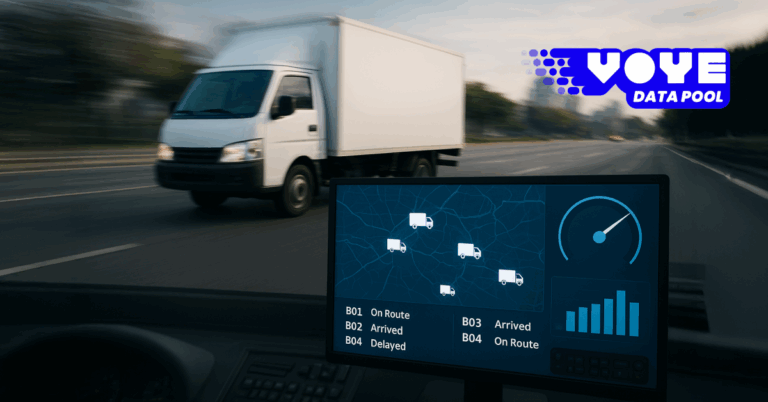


Connectivity for Connected Cars and Automotive Fleets
Connected car data is transforming how automotive businesses manage vehicles, improve safety, and optimize fleet performance. This blog explores the importance of reliable connectivity for connected cars and automotive fleets, covering predictive maintenance, real-time tracking, secure communication, route optimization, and scalable fleet operations. Learn how connected technologies help organizations reduce downtime, increase efficiency, and prepare for the future of intelligent mobility while supporting smarter, data-driven decision-making across modern transportation networks.


 7 min read
 Share
Share

The automotive industry is undergoing a major digital transformation, with connected technologies becoming the foundation of modern mobility. Vehicles are no longer isolated machines that simply move people and goods from one place to another. Today, they function as intelligent systems that continuously exchange information with cloud platforms, fleet managers, service providers, and drivers. Reliable connectivity has become essential for improving operational efficiency, enhancing safety, supporting predictive maintenance, and delivering better driving experiences across personal and commercial transportation.
As businesses expand their fleets across cities, regions, and international markets, maintaining uninterrupted connectivity becomes increasingly important. Automotive manufacturers, logistics companies, fleet operators, and mobility providers all depend on secure and scalable data communication to keep vehicles connected around the clock. From real-time diagnostics to remote software updates, seamless network access enables smarter decisions and more efficient fleet operations while reducing downtime and operational costs.
Why Connectivity Matters in Modern Automotive Operations?
Connected vehicles rely on constant communication with digital platforms. Every journey generates valuable information that can be analyzed to improve vehicle performance, driver behavior, fuel efficiency, route optimization, and preventive maintenance.
Unlike traditional vehicle management systems, modern connected fleets can instantly transmit information from onboard sensors to centralized dashboards. Fleet managers receive immediate insights that allow them to respond quickly to maintenance alerts, changing traffic conditions, or unexpected vehicle issues.

Power Smarter Mobility
Support connected car data with dependable connectivity for fleet operations.
This continuous exchange of information helps organizations improve customer service while reducing unnecessary operational expenses. Whether managing delivery vans, commercial trucks, rental vehicles, or corporate fleets, dependable connectivity creates greater visibility across the entire operation.
The Role of Connected Car Technology
Connected vehicles integrate advanced telematics, GPS tracking, cloud computing, artificial intelligence, and Internet of Things technologies to create an intelligent transportation ecosystem. Every vehicle becomes part of a larger digital network that communicates continuously with business systems.
This connectivity supports features such as:
- Real-time vehicle tracking
- Remote diagnostics
- Driver behavior monitoring
- Predictive maintenance
- Software updates over the air
- Theft recovery and security alerts
Organizations using connected car data gain valuable operational insights that improve both daily decision making and long-term fleet planning. Rather than reacting to problems after they occur, businesses can identify patterns that prevent failures before they disrupt operations.
Real-Time Fleet Visibility Improves Operational Efficiency
Fleet visibility has become one of the biggest competitive advantages in transportation. Managers need accurate information about vehicle locations, route progress, fuel consumption, and driver performance throughout the day.
With continuous connectivity, dispatch teams can monitor vehicle movement in real time, optimize routes based on traffic conditions, and provide customers with accurate delivery updates.
Real-time visibility also reduces unnecessary mileage, lowers fuel consumption, and improves vehicle utilization rates. Instead of relying on manual reporting, businesses receive live operational intelligence that supports faster and more informed decisions.
Predictive Maintenance Reduces Downtime
Unexpected vehicle breakdowns create costly delays and negatively affect customer satisfaction. Connected automotive systems continuously monitor engine performance, battery health, tire pressure, brake systems, and other critical vehicle components.
Maintenance teams receive early warnings when performance indicators begin showing abnormal patterns. This allows repairs to be scheduled before mechanical failures occur.
By analyzing connected car data, organizations can predict maintenance needs with greater accuracy, extending vehicle lifespan while reducing expensive emergency repairs. Preventive maintenance also minimizes service interruptions and improves fleet reliability.
Enhanced Driver Safety Through Continuous Monitoring
Driver safety remains one of the highest priorities for automotive organizations. Connected vehicle systems provide detailed insights into driving behavior, helping businesses identify opportunities for improvement.
Fleet managers can monitor speeding, harsh braking, rapid acceleration, excessive idling, and unsafe driving patterns. Coaching programs based on actual driving data help reduce accidents while encouraging safer driving habits.
Safety monitoring also supports regulatory compliance by maintaining accurate records of vehicle activity, driver hours, and operational performance.
As connected technologies continue evolving, businesses are able to build stronger safety cultures while protecting both drivers and valuable fleet assets.
Smarter Route Optimization
Efficient route planning has become increasingly important as transportation costs continue to rise. Traffic congestion, road closures, weather conditions, and delivery schedules all affect operational efficiency.
Connected vehicle platforms combine navigation data with live traffic information to recommend more efficient routes throughout the day.
This intelligent routing reduces travel time, fuel consumption, and vehicle wear while improving customer satisfaction through more accurate arrival estimates.
Businesses that consistently analyze connected car data are better positioned to optimize fleet performance, improve delivery efficiency, and reduce overall transportation costs.
Optimize Fleet Connectivity
Enhance vehicle communication with secure and seamless global network coverage.
Supporting Electric and Hybrid Fleet Growth
As electric and hybrid vehicles become more common, connectivity plays an even greater role in fleet management. Operators need visibility into battery health, charging status, energy consumption, and charging station availability.
Connected platforms allow organizations to schedule charging sessions efficiently while monitoring battery performance across multiple vehicles.
This visibility helps maximize vehicle availability and ensures fleets remain productive without unnecessary charging delays. Data-driven energy management also supports sustainability initiatives while reducing long-term operating expenses.
Secure Data Communication Across Automotive Networks
Modern connected vehicles generate significant volumes of operational information every day. Protecting this information requires secure communication channels that safeguard sensitive business and customer data.
Automotive connectivity solutions should include strong authentication, encrypted communication, secure cloud integration, and continuous monitoring for potential security risks.
Organizations investing in secure connected infrastructure reduce the likelihood of unauthorized access while maintaining compliance with industry standards and privacy regulations.
Cybersecurity becomes increasingly important as vehicles rely more heavily on software, cloud platforms, and remote connectivity for daily operations.
Scalability for Expanding Automotive Fleets
Many fleet operators begin with regional operations before expanding nationally or internationally. Their connectivity infrastructure must grow alongside business expansion without creating unnecessary complexity.
Scalable connectivity solutions simplify vehicle onboarding, centralize management, and provide consistent service across different geographic regions.
Whether adding hundreds or thousands of vehicles, organizations benefit from unified connectivity platforms that reduce administrative workload while maintaining reliable network performance.
Businesses seeking flexible enterprise connectivity can leverage connected car data alongside intelligent connectivity management through Voye Data Pool, helping support scalable automotive operations while simplifying global fleet communication.
Remote Software Updates Improve Vehicle Performance
Software has become one of the most valuable components of modern vehicles. Manufacturers and fleet operators regularly release updates that improve performance, enhance security, fix software bugs, and introduce new features.
Remote software updates eliminate the need for vehicles to visit service centers for routine software improvements.
This capability reduces maintenance costs, minimizes vehicle downtime, and allows organizations to deploy updates across entire fleets efficiently.
Reliable connectivity ensures every vehicle receives updates quickly while maintaining operational continuity.
Preparing for the Future of Intelligent Mobility
Automotive innovation continues to accelerate with advances in autonomous driving, artificial intelligence, vehicle-to-infrastructure communication, and smart city integration.
Future transportation systems will depend even more heavily on reliable connectivity between vehicles, cloud platforms, traffic infrastructure, and mobility services.
Organizations investing in modern connectivity today position themselves to adopt future technologies more smoothly as innovations become commercially available.
The ability to collect, analyze, and utilize connected car data will become an increasingly valuable competitive advantage as digital mobility ecosystems continue expanding.
Conclusion
Connected automotive technology is reshaping how vehicles are managed, maintained, and optimized across every segment of the transportation industry. Continuous connectivity enables organizations to improve operational visibility, reduce maintenance costs, strengthen driver safety, optimize routing, and support smarter business decisions through real-time information. As fleets become increasingly digital, a dependable communication infrastructure becomes essential for maintaining efficiency and delivering exceptional service.
Businesses that embrace connected mobility today are preparing themselves for the next generation of intelligent transportation. From predictive maintenance and secure communication to scalable fleet management and advanced analytics, connected ecosystems create lasting operational value. Investing in reliable connectivity not only supports current business goals but also builds the foundation for future innovation in the rapidly evolving automotive landscape.
Power Smarter Mobility
Support connected car data with dependable connectivity for fleet operations.