

How Edge Computing Relies on Reliable Enterprise Connectivity
Edge computing enables real time processing and smarter decisions, but its success depends on reliable enterprise connectivity. Learn how business eSIMs and data pooling power scalable, secure edge deployments.


 10 min read
 Share
Share
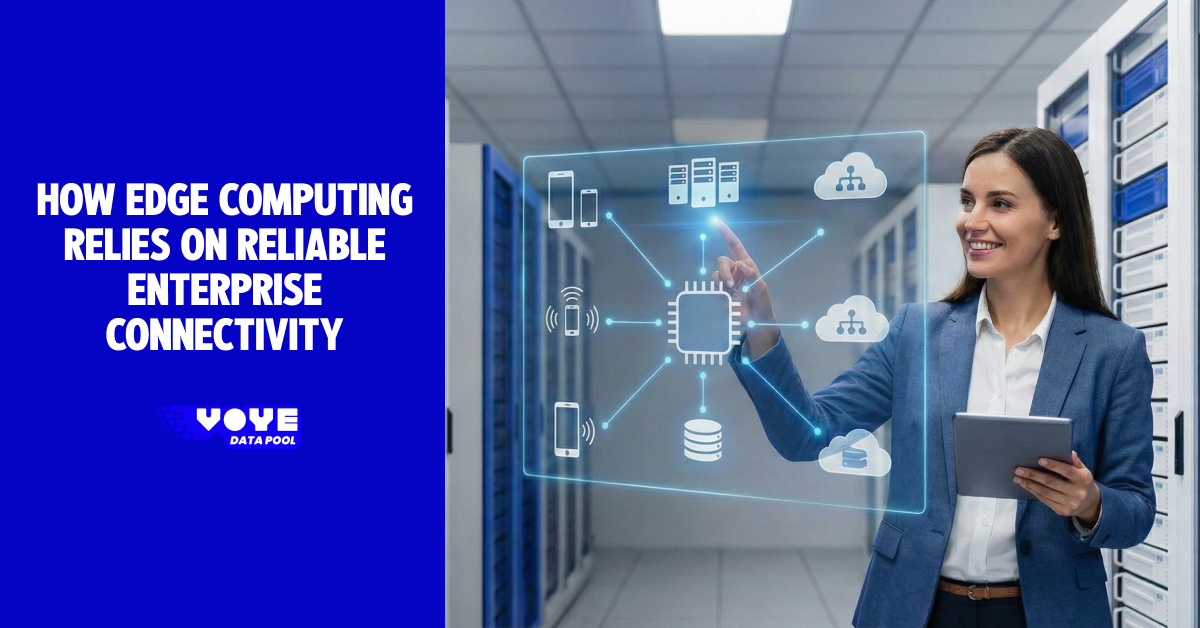
Edge computing has moved from a niche technology to a core pillar of modern digital infrastructure. Enterprises across manufacturing, logistics, healthcare, finance, retail, and mobility driven industries are adopting edge computing to process data closer to where it is generated. This shift enables faster decision making, lower latency, improved reliability, and enhanced data security.
However, there is a foundational truth that is often overlooked. Edge computing does not function in isolation. Its effectiveness depends heavily on reliable, scalable, and intelligent enterprise connectivity. Without dependable connectivity, edge devices become fragmented silos, data synchronization breaks down, and the value of real time processing collapses.
For organizations operating globally with distributed teams, connected devices, and mobile assets, connectivity is no longer a supporting utility. It is a strategic enabler. This is where modern enterprise connectivity solutions, including business eSIM platforms and enterprise grade data pooling, become essential.
This blog explores how edge computing relies on reliable enterprise connectivity, why traditional connectivity models are insufficient, and how businesses can unlock the full potential of edge computing with flexible, cost efficient, and centrally managed connectivity solutions such as those offered by Voye Data Pool.
What Is Edge Computing and Why It Matters for Enterprises
Edge computing refers to the processing and analysis of data at or near the point of data generation rather than transmitting it back to centralized cloud or data center environments. These edge locations can include IoT sensors, industrial equipment, mobile devices, vehicles, retail stores, branch offices, and even employee smartphones or tablets.
The Business Value of Edge Computing
Enterprises adopt edge computing to achieve several critical objectives:
- Reduced latency for time sensitive applications
- Improved reliability when cloud connectivity is intermittent
- Lower bandwidth costs by minimizing unnecessary data transfers
- Enhanced data privacy by keeping sensitive data local
- Real time insights for faster operational decisions
From predictive maintenance on factory floors to real time route optimization for logistics fleets, edge computing supports use cases that demand immediate responses.
The Hidden Dependency on Connectivity
While data is processed locally at the edge, connectivity remains vital for:
- Synchronizing data between edge and central systems
- Managing and updating edge applications remotely
- Monitoring device health and performance
- Ensuring security policies are enforced consistently
- Enabling collaboration across distributed teams
This dependency means that unreliable or expensive connectivity can undermine even the most advanced edge computing strategy.
The Role of Enterprise Connectivity in Edge Computing Architectures
Enterprise connectivity acts as the nervous system that links edge nodes, cloud platforms, and corporate systems into a cohesive ecosystem.
Key Connectivity Requirements for Edge Environments
To support edge computing at scale, enterprise connectivity must deliver:
- Low latency communication paths
- High availability and redundancy
- Global coverage across regions and carriers
- Secure data transmission
- Centralized visibility and control
- Cost predictability with no bill shock
Legacy connectivity models, such as traditional roaming SIMs or fixed line dependencies, struggle to meet these requirements in dynamic enterprise environments.
Why Connectivity Is More Than Bandwidth
Edge computing workloads are not just about speed. They require intelligent routing, adaptive performance, and seamless failover. For mobile workforces and distributed assets, connectivity must follow the user or device wherever it operates.
Business eSIM technology combined with enterprise data pooling addresses these needs by decoupling connectivity from physical constraints and rigid contracts.

Simplify Enterprise Connectivity
One platform to manage global mobile data effortlessly
The Challenges of Traditional Connectivity Models for Edge Computing
Many enterprises attempt to support edge computing with outdated connectivity approaches. This creates friction, cost overruns, and operational risk.
Fragmented Connectivity Across Regions
Traditional enterprise connectivity often relies on local carriers in each country. Managing multiple contracts, SIM types, and billing structures introduces complexity and limits scalability.
For edge deployments spanning multiple regions, inconsistent network performance can disrupt data flows and compromise application reliability.
Roaming Costs and Bill Shock
Legacy roaming models were never designed for continuous data usage by connected devices. Enterprises frequently encounter unexpected roaming charges, throttling, or service limitations.
In edge computing scenarios, where devices may transmit data continuously, unpredictable costs can quickly spiral out of control.
Slow Deployment and Provisioning
Edge computing thrives on agility. Yet traditional connectivity provisioning can take weeks or months, delaying deployments and reducing time to value.
This is especially problematic for enterprises onboarding new mobile teams, launching pop up locations, or expanding into new markets.
Limited Visibility and Control
Without centralized management, IT teams lack real time insight into data usage, device status, and network performance. This makes it difficult to optimize edge workloads or troubleshoot issues proactively.
How Business eSIM Enables Reliable Edge Connectivity
Business eSIM technology represents a fundamental shift in how enterprises connect devices and teams. Unlike traditional SIM cards, eSIMs are embedded and programmable, allowing connectivity profiles to be provisioned and managed remotely.
Seamless Global Connectivity
With business eSIMs, enterprises can access multiple carrier networks across countries without changing physical SIMs. This ensures consistent connectivity for edge devices and mobile workers wherever they operate.
For edge computing, this means data flows remain uninterrupted even as devices move across borders or network conditions change.
Rapid Deployment in 60 Seconds
Modern eSIM platforms allow enterprises to deploy connectivity in minutes rather than weeks. Devices can be activated instantly through a centralized platform.
This speed is critical for edge computing use cases that demand rapid scaling, such as temporary sites, emergency response teams, or pilot projects.
Built In Redundancy and Network Resilience
eSIMs can switch between networks based on availability and performance. This reduces downtime and ensures edge applications remain operational even when a single network experiences issues.
Reliable connectivity at the edge is not optional. It is essential for mission critical operations.
Enterprise Data Pooling and Edge Computing Efficiency
Enterprise data pooling aggregates data usage across all connected devices into a shared pool. This model is far more efficient than allocating fixed data plans to individual devices.
Optimized Data Usage Across Edge Nodes
Edge computing workloads vary significantly by device and location. Some edge nodes may generate large volumes of data, while others remain mostly idle.
Data pooling allows enterprises to balance usage dynamically, eliminating waste and ensuring critical devices always have the bandwidth they need.
Predictable Costs With No Bill Shock
By pooling data, enterprises gain clear visibility into total consumption and costs. This prevents unexpected charges and simplifies budgeting for edge deployments.
For organizations managing hundreds or thousands of edge devices, predictable costs are a major advantage.
Centralized Monitoring and Control
Enterprise data platforms provide dashboards that show usage, performance, and connectivity status in real time. IT teams can identify anomalies, optimize data flows, and enforce policies from a single interface.
This level of control is essential for managing complex edge computing environments.
Edge Computing Use Cases That Depend on Reliable Enterprise Connectivity
To understand the real world impact of connectivity on edge computing, it is helpful to examine specific use cases.
Mobile Workforce Enablement
Modern enterprises rely on mobile teams such as sales representatives, field engineers, consultants, and remote technicians. These workers increasingly use edge enabled applications on smartphones, tablets, and laptops.
Reliable connectivity ensures:
- Real time access to customer data
- Secure communication with central systems
- Continuous application performance
- Collaboration without interruptions
Business eSIMs and pooled data allow enterprises to support mobile teams globally while reducing roaming costs by up to 70 percent.
Logistics and Fleet Management
Edge computing plays a vital role in logistics by processing data from vehicles, sensors, and tracking devices in real time.
Connectivity enables:
- Live route optimization
- Predictive maintenance alerts
- Real time cargo monitoring
- Driver safety systems
Without dependable enterprise connectivity, these edge driven insights lose their immediacy and value.
Industrial IoT and Smart Manufacturing
Factories and industrial sites use edge computing to monitor equipment, detect anomalies, and automate processes.
Reliable connectivity ensures that:
- Edge insights are synchronized with central analytics
- Remote monitoring and control remain possible
- Security updates reach edge devices promptly
- Production downtime is minimized
Enterprise grade connectivity is the backbone of these industrial edge deployments.
Retail and Pop Up Locations
Retailers use edge computing for in store analytics, inventory tracking, digital signage, and customer engagement.
For temporary or mobile retail locations, traditional fixed connectivity is impractical. Business eSIMs provide instant, flexible connectivity that supports edge applications without long term contracts.
Security at the Edge Starts With Secure Connectivity
Edge computing introduces new security challenges because data is processed across distributed endpoints rather than centralized environments.
Secure Data Transmission
Enterprise connectivity solutions encrypt data in transit, protecting sensitive information as it moves between edge devices and central systems.
Centralized Policy Enforcement
With a unified connectivity platform, security policies can be applied consistently across all edge nodes, regardless of location.
Reduced Attack Surface
By minimizing unnecessary data transfers and keeping processing local, edge computing reduces exposure. Reliable connectivity ensures that only essential data is transmitted securely.
Connectivity and security are inseparable in modern edge architectures.
Scalability and Flexibility for Future Edge Growth
Edge computing is not a static deployment. It evolves as enterprises adopt new applications, expand into new markets, and onboard additional devices.
Scaling Without Complexity
Business eSIM platforms allow enterprises to scale connectivity up or down instantly. New devices can be activated without physical intervention.
Supporting Innovation
When connectivity is flexible and affordable, teams can experiment with new edge use cases without fear of cost overruns or deployment delays.
Future Proof Connectivity
As networks evolve and new standards emerge, eSIM based connectivity adapts without requiring hardware replacements.
This future readiness is essential for long term edge computing strategies.
Why Voye Data Pool Is Built for Edge Driven Enterprises
Voye Data Pool is designed for enterprises that depend on reliable, global connectivity to power modern digital operations.
Business eSIM and Enterprise Data Solutions
Voye Data Pool delivers affordable, flexible eSIM data tailored for corporate teams on the move. Its platform enables enterprises to deploy connectivity in 60 seconds, manage usage centrally, and eliminate complexity.
One Platform for a Mobile Workforce
Whether supporting edge enabled devices, mobile teams, or distributed assets, Voye Data Pool provides a single interface for managing connectivity across regions and use cases.
Cost Efficiency Without Compromise
By cutting roaming costs by up to 70 percent and eliminating bill shock, Voye Data Pool allows enterprises to invest confidently in edge computing initiatives.
Reliability That Edge Computing Demands
Edge computing requires connectivity that is always on, always available, and always optimized. Voye Data Pool delivers enterprise grade reliability that keeps edge operations running smoothly.
Best Practices for Aligning Connectivity With Edge Computing Strategy
To maximize ROI from edge computing, enterprises should follow these best practices:
- Design connectivity as a core component, not an afterthought
- Choose solutions that support global operations
- Prioritize centralized management and visibility
- Eliminate unpredictable costs
- Ensure security is built into connectivity
- Partner with providers that understand enterprise mobility
These principles help organizations build resilient, scalable, and future-ready edge environments.
Conclusion: Connectivity Is the Foundation of Edge Computing Success
Edge computing promises faster insights, smarter operations, and greater agility. But these benefits are only achievable when supported by reliable enterprise connectivity.
From business eSIM technology to enterprise data pooling, modern connectivity solutions enable edge computing to function as a unified, intelligent system rather than a collection of isolated nodes.
For enterprises with mobile teams, global operations, and data driven ambitions, investing in the right connectivity platform is not optional. It is strategic.
Voye Data Pool empowers businesses to unlock the full potential of edge computing with affordable, flexible, and enterprise grade connectivity. By simplifying deployment, reducing costs, and ensuring reliability, it provides the foundation that edge driven enterprises need to thrive in a connected world.
As edge computing continues to reshape how organizations operate, one truth remains clear. The edge is only as powerful as the connectivity that supports it.
Connect Your Workforce
Reliable data connectivity for teams working anywhere.