

One Plan, Many Users: Practical Data Optimization Tips for Multigenerational Families
Managing mobile data for a multigenerational family can be simple and cost effective. Learn how one shared data plan helps families reduce waste, control usage, and stay connected across all devices worldwide.


 11 min read
 Share
Share

In today’s connected world, data is as essential as electricity. Families rely on mobile data for work, education, entertainment, navigation, healthcare access, and staying in touch across cities and countries. As households become more diverse in age and digital habits, managing connectivity efficiently has become a real challenge.
Multigenerational families often include children, parents, grandparents, and sometimes extended relatives living together or staying connected remotely. Each generation uses data differently, yet everyone expects seamless, affordable, and reliable internet access. Managing multiple individual plans can quickly become expensive, confusing, and wasteful.
This is where the concept of one shared data plan for the whole family becomes a powerful solution.
With a single shared data pool, all family members use one balance across their devices. Phones, tablets, laptops, and other connected devices stay online without juggling multiple subscriptions. When done right, a shared data plan reduces costs, eliminates unused data, and simplifies management while keeping everyone connected anywhere in the world.
This guide explores practical data optimization tips for multigenerational families, focusing on how one plan with many users can be efficient, cost effective, and stress free. The insights are designed to help families make the most of shared connectivity while supporting different needs, usage habits, and digital comfort levels.
Why Multigenerational Families Need Smarter Data Solutions
Diverse Data Needs Across Age Groups
A multigenerational household typically includes people with very different online behaviors.
Children and teenagers often consume data through video streaming, online gaming, social media, and educational apps. Their usage tends to be high volume and continuous.
Adults and working professionals rely on data for emails, video calls, cloud access, navigation, and productivity tools. Their usage is consistent and often critical for work.
Seniors usually use data more selectively, focusing on messaging apps, video calls with family, health apps, news, and light browsing. Their usage is lower but reliability and simplicity are essential.
Trying to manage separate data plans for each group leads to inefficiencies. Some plans run out too fast, others waste unused data every month. A shared plan balances these differences naturally.
Rising Costs of Individual Data Plans
Mobile data costs continue to rise globally, especially for international travel and roaming. Multiple individual plans multiply expenses, activation fees, and renewal dates.
A shared data pool consolidates spending into one predictable plan. Families pay once and distribute usage dynamically. This approach often results in significant savings over time.
Increased Device Count per Person
Modern families use more devices than ever. One person may have a smartphone, tablet, smartwatch, and laptop. Children may have tablets for learning. Seniors may use phones and tablets for communication.
Managing data for each device separately adds complexity. A shared plan simplifies everything by allowing multiple devices to draw from the same balance.
Understanding the Concept of One Plan, Many Users
What Is a Shared Data Pool?
A shared data pool is a single data balance that multiple users and devices can access simultaneously. Instead of assigning fixed data limits to individuals, everyone uses what they need from the same pool.
This model works especially well for families because usage patterns vary throughout the day, week, and month. Heavy usage by one member is often balanced by lighter usage from another.
How Shared Data Plans Reduce Waste
Traditional individual plans often include unused data that expires at the end of the billing cycle. In a shared model, unused data stays available to anyone who needs it.
For example, if grandparents use minimal data, their unused portion effectively supports children attending online classes or parents working remotely.
Centralized Control and Visibility
One of the biggest advantages of a shared plan is centralized management. Families can monitor total usage, see which devices are consuming data, add or remove users, and adjust settings from a single dashboard.
This visibility helps prevent overuse, manage costs, and ensure fair distribution among family members.
Benefits of One Shared Data Plan for Multigenerational Families
Cost Efficiency for the Entire Household
Sharing one data plan eliminates the need for multiple subscriptions. Families benefit from bulk pricing and better value per gigabyte.
Instead of paying for separate plans with unused data, families pay for what they actually use collectively.
Simplified Management for All Ages
Managing technology can be overwhelming, especially for seniors. A single plan managed by one primary account holder reduces confusion.
Younger family members can focus on usage while one person handles renewals, monitoring, and support.
Flexibility Across Devices and Locations
Shared data plans work well for families spread across different locations. Whether someone is at home, traveling, or studying abroad, they can access the same data pool.
This flexibility is particularly valuable for families with frequent travelers or relatives living in different countries.
Improved Connectivity for Emergencies
In emergencies, connectivity matters most. A shared plan ensures that no one is disconnected because their individual data ran out. As long as the pool has data, everyone stays online.
Practical Data Optimization Tips for Multigenerational Families
1. Understand Usage Patterns by Generation
Start by analyzing how each family member uses data.
Children and teens often consume data through video streaming, gaming, and social apps. Adults use data for work and navigation. Seniors focus on communication and information.
Understanding these patterns helps set expectations and plan data allocation effectively.
2. Prioritize Essential Applications
Not all data usage is equally important. Identify essential apps for each family member.
For example, video calls for seniors, educational platforms for children, and work tools for adults should take priority over background downloads or autoplay videos.
Encourage family members to adjust app settings to reduce unnecessary data consumption.
3. Use Wi Fi Whenever Possible
Wi Fi is one of the most effective ways to conserve shared data.
At home, ensure all devices connect to a reliable Wi Fi network. Teach seniors how to recognize and connect to trusted Wi Fi networks safely.
When traveling, use hotel or trusted public Wi Fi for heavy tasks like streaming and downloads.
4. Adjust Streaming Quality Settings
Streaming services consume large amounts of data, especially in high definition.
Set default streaming quality to standard definition on mobile devices. Reserve high definition streaming for Wi Fi connections.
This simple adjustment can save significant data without compromising the viewing experience.
5. Schedule Updates and Backups on Wi Fi
Automatic updates and cloud backups can quickly drain shared data.
Configure devices to perform updates and backups only when connected to Wi Fi. This is particularly important for tablets and laptops used by children and seniors.
6. Educate Family Members About Data Awareness
Data optimization works best when everyone understands the basics.
Teach children about responsible streaming and downloading. Help seniors understand which activities use more data.
Clear communication prevents misunderstandings and ensures fair use of the shared pool.
7. Monitor Usage Regularly
Regular monitoring helps identify unusual spikes in data usage.
If one device suddenly consumes excessive data, investigate the cause. It could be an app update, background process, or security issue.
Early detection prevents unnecessary data loss.
8. Set Alerts and Thresholds
Many shared data platforms allow usage alerts.
Set notifications when the data pool reaches certain thresholds. This gives the family time to adjust usage or add data if needed.
Alerts are especially helpful for preventing unexpected data depletion.

Stay Connected Across All Generations
One data pool keeps kids, parents, and seniors online.
Managing Data for Seniors in a Shared Plan
Simplicity Is Key
Seniors value simplicity and reliability. Ensure their devices are configured with minimal background data usage.
Disable unnecessary notifications and automatic media downloads.
Focus on Communication Tools
Messaging apps and video calls are essential for seniors to stay connected with family.
Optimize these apps for lower data usage by adjusting video call quality when possible.
Provide Clear Support
Designate one family member as the point of contact for technical help. This reduces frustration and ensures seniors feel supported.
Managing Data for Children and Teenagers
Balance Freedom and Responsibility
Children need data for learning and entertainment, but boundaries are important.
Encourage educational usage while setting limits on excessive streaming or gaming.
Use Device Level Controls
Many devices offer built in data usage tracking and limits.
Use these tools to help children understand their consumption without making them feel restricted.
Promote Offline Activities
Encourage offline learning materials, downloads on Wi Fi, and screen free time. This benefits both data usage and overall wellbeing.Managing Data for Working Adults
Optimize for Productivity
Working adults rely on stable connectivity. Prioritize work related apps and services.
Use Wi Fi for video conferences whenever possible to reduce mobile data strain.
Separate Work and Personal Usage
Where possible, separate heavy work tasks like large file transfers to Wi Fi connections.
This helps maintain balance within the shared data pool.
Traveling as a Multigenerational Family
The Challenge of International Connectivity
Traveling together often leads to high data usage. Navigation, translation apps, bookings, and entertainment all rely on mobile data.
Traditional roaming plans are expensive and complex when managing multiple family members.
Shared eSIM Data Pools Simplify Travel
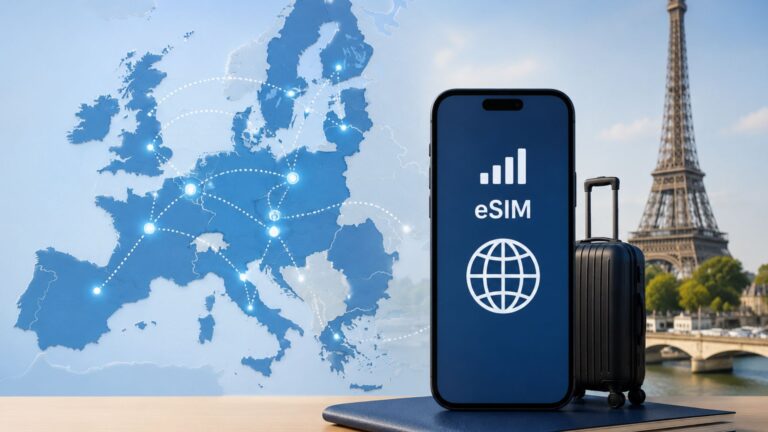
A shared data pool with eSIM connectivity allows everyone to stay connected abroad without changing SIM cards.
One plan works across devices and locations, making international travel smoother and more affordable.
Plan Ahead for High Usage Periods
Before travel, estimate increased data needs. Navigation and map usage alone can consume significant data.
Adjust your data plan accordingly to avoid interruptions.
Security and Privacy in Shared Data Plans
Protecting All Generations
Security is especially important in multigenerational households.
Ensure all devices have updated security settings, strong passwords, and secure app permissions.
Educate About Online Safety
Teach seniors and children about phishing, suspicious links, and safe browsing practices.
A shared plan means shared responsibility for security.
The Role of Centralized Dashboards in Data Optimization
One Place to Manage Everything
Centralized dashboards allow families to track data usage in real time, add or remove devices, and manage eSIMs easily.
This level of control is essential for optimizing shared data usage.
Transparency Builds Trust
When everyone can see how data is being used, it encourages responsible behavior.
Transparency reduces conflicts and helps families work together to manage resources.
Why Shared Data Plans Are the Future for Families
Digital Lifestyles Are Becoming More Connected
As families rely more on digital services, the need for flexible and efficient connectivity grows.
Shared data plans align with modern lifestyles where devices and users are constantly changing.
Sustainability and Reduced Waste
Using one shared data pool reduces wasted data and unnecessary subscriptions.
This approach supports more sustainable digital consumption.
Adaptability for Growing Families
Families grow and change. Children get new devices, relatives join or leave the household.
Shared plans adapt easily without requiring new contracts or complex changes.
How Voye Data Pool Supports Multigenerational Families
Voye Data Pool is designed around the idea of one data plan for the whole family.
With a single shared data balance, families can connect phones, tablets, and more under one account. Everyone stays connected anywhere in the world using simple and reliable eSIM connectivity.
All family members draw from the same data pool, ensuring nothing is wasted. Usage can be tracked easily, devices can be added or removed, and all eSIMs are managed from one simple dashboard.
This approach is ideal for multigenerational families who value flexibility, transparency, and cost efficiency.
Final Thoughts: One Plan, Many Users, Zero Stress
Managing mobile data for a multigenerational family does not have to be complicated or expensive.
A single shared data plan brings everyone together under one flexible, efficient system. It reduces waste, lowers costs, and ensures reliable connectivity for all ages.
By understanding usage patterns, prioritizing essential apps, using Wi Fi wisely, and monitoring data regularly, families can optimize their shared data experience.
In a world where connection matters more than ever, one plan with many users is not just a convenience. It is a smarter way to stay connected as a family.
With the right strategy and the right platform, multigenerational families can enjoy seamless connectivity, peace of mind, and true digital freedom.
Simplify Connectivity With One Family Plan
Share one data plan across devices with easy global eSIM.