

Predictive Connectivity: Using Data to Anticipate Usage and Prevent Overages
Predictive connectivity is transforming how individuals and organizations manage mobile data. By using real-time analytics, machine learning, and historical behavior patterns, it forecasts data usage before issues arise. This proactive approach prevents overages, improves budgeting accuracy, and ensures seamless connectivity across devices, teams, and travel scenarios. From enterprises to IoT networks, predictive tools help users optimize data plans, detect anomalies, and maintain uninterrupted digital performance.


 9 min read
 Share
Share
In a world defined by constant digital movement, connectivity has evolved from a basic expectation to a mission-critical necessity. Whether it is an enterprise managing thousands of employee devices, a traveler relying on mobile data abroad, or a business running IoT systems across global markets, uninterrupted connectivity can determine operational efficiency, cost control, and competitive advantage. The rise of predictive connectivity marks a turning point in how organizations and individuals approach mobile data usage. This approach plugs intelligence into the heart of connectivity, ensuring users can anticipate needs, control consumption, and avoid unexpected overages. Predictive connectivity leverages real-time analytics, machine learning, historical datasets, and automated insights to forecast data usage before it creates problems. Instead of reacting to overages after they appear on monthly bills, users are increasingly empowered to recognize trends, set limits, and receive proactive support. This detailed guide breaks down the fundamentals of predictive connectivity, how it works, why it matters, who benefits from it, and how businesses can implement it effectively. It also explores industry applications, case-based examples, and the future of proactive data-driven connectivity management.
Understanding Predictive Connectivity
Predictive connectivity refers to a data-intelligent approach that uses analytics models to foresee mobile data consumption, network performance requirements, and connectivity patterns before issues arise. It shifts connectivity management from being reactive to strategic. At its core, predictive connectivity answers critical questions in real time such as: How much data will a user or device need this week or this month; When is a data spike most likely to occur; Which applications consume the most bandwidth; How can overages be prevented before they happen; What network environments will require additional capacity; Where are inefficiencies or leakages in current usage. Traditional telecom and enterprise mobility models provide usage summaries after the billing cycle ends. Predictive connectivity instead focuses on anticipating outcomes during the cycle. This prevents unnecessary costs and ensures networks are optimized. This shift is powered by data science. By blending device telemetry, historical usage logs, behavioral patterns, and contextual signals such as travel, seasonality, or location shifts, predictive systems can estimate future data needs with high accuracy.
Why Predictive Connectivity Matters Today
The global landscape of connectivity is expanding rapidly. With the rise of digital-first operations, remote work, connected travel, and IoT ecosystems, organizations must now manage large volumes of devices and data. Several factors drive the urgency for predictive connectivity.
Rising Data Consumption
Every year, mobile data usage grows due to video conferencing, cloud apps, streaming, remote operations, and real-time collaboration tools. Even casual travelers consume more data abroad than they realize. Predictive insights help users stay aware and in control.
Increasing Device Volume
Enterprises are deploying more devices across teams, branches, and markets. Managing usage manually is inefficient. Predictive systems automate insights and alert organizations before a device exceeds limits.
Global Mobility and Travel
Teams and travelers frequently cross borders. Roaming charges can escalate without warning, making predictive tools essential for budgeting and planning.
Cost Management Pressures
Overages can quickly multiply, especially for enterprises with hundreds of users or IoT deployments. Predictive alerts and intelligent usage caps reduce financial waste.
Need for Reliability
A network interruption, throttling event, or exhausted data plan can halt operations. Predictive connectivity minimizes such interruptions by identifying consumption risks ahead of time.
How Predictive Connectivity Works: The Data and Science Behind It
Predictive connectivity relies on a layered architecture of analytics, automation, and behavior modeling. Below is the flow of how these systems function.
1. Data Collection
The system collects comprehensive real-time and historical information such as: Daily or hourly usage logs; Device performance metrics; Network quality indicators; Regional or roaming patterns; App-level data breakdowns; Plan details and thresholds; User behavior signals such as work hours, travel days, or device mobility. IoT devices input telemetry. Travelers generate location-triggered usage patterns. Enterprise teams feed consistent historical records. The richer the data, the more accurate the predictions.
2. Pattern Identification
Machine learning models detect correlations and recurring behaviors such as: Devices that consistently spike data at month-end; Applications with high bandwidth demands; Monthly recurring usage cycles; Seasonal patterns in travel or workload; Sudden deviations from normal behavior. These models also recognize abnormal behavior like unexpected data surges that may indicate misconfiguration or security concerns.
3. Usage Forecasting
Systems use predictive algorithms to forecast data needs over a set period. Forecast horizons may include: Next 24 hours; Remainder of the billing period; Week-ahead projections; Monthly usage forecasts. These predictions often specify exact estimated consumption levels, enabling users to act before reaching any thresholds.
4. Alerts and Automation
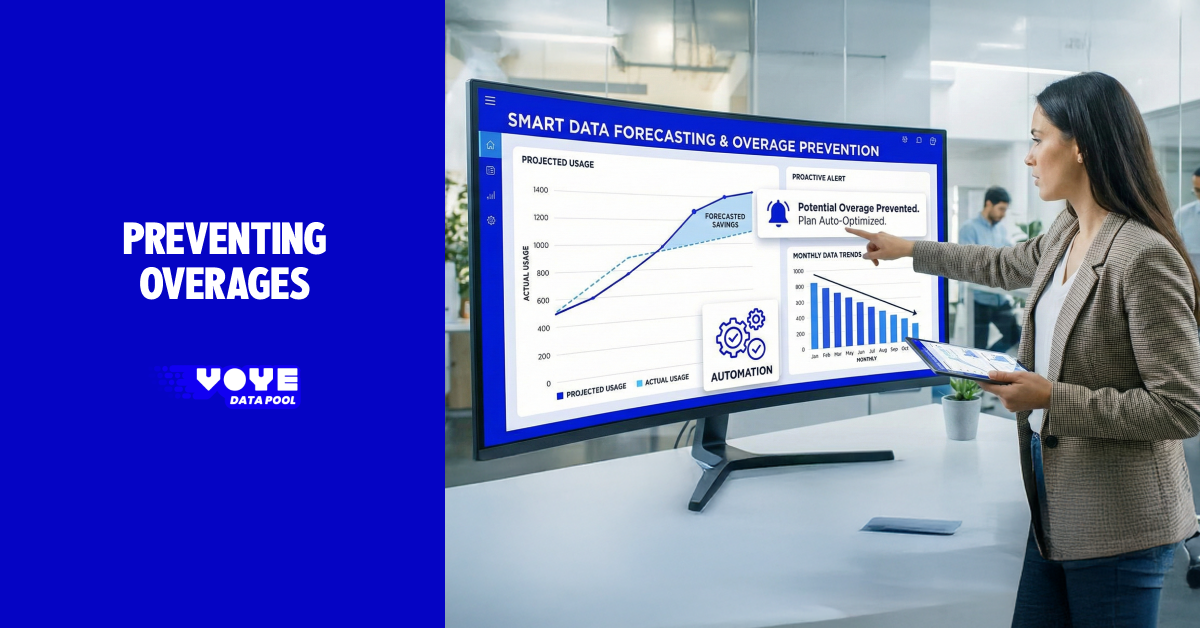
Based on thresholds and predicted outcomes, automated actions can include: Alerts for forecasted overages; Auto-adjusting data plans; Auto-pausing high-consumption applications; Smart routing between networks and eSIM profiles; Recommendations for optimized usage. For enterprises, dashboards display predictive risk scores with recommended interventions.
5. Continuous Learning
Models refine themselves continuously as more data is collected. This adaptive learning improves accuracy and reduces false alerts.
Key Technologies That Power Predictive Connectivity
Predictive connectivity is enabled by advancements across AI and network intelligence. Key technologies include:
Machine Learning Algorithms
These models detect patterns, anomalies, and correlations in massive datasets. They can recognize repetitive behavior or predict unusual spikes.
Big Data Analytics
Predictive visibility depends on analyzing high-volume, high-velocity data from diverse sources including devices, networks, and user activity.
Real-Time Monitoring and Telemetry
Continuous tracking ensures the system captures live usage changes. Telemetry from IoT devices is critical in sectors like logistics or manufacturing.
Contextual Intelligence
Systems integrate contextual signals such as: Device location; User demographic segment; Time of day; Travel context; Application type. These signals enhance prediction accuracy.
Smart eSIM and Connectivity Platforms
Modern eSIM management systems allow instantaneous activation, plan switching, and data routing. When combined with predictive connectivity, they become proactive connectivity tools.
Advantages of Predictive Connectivity
Predictive connectivity transforms data management from reactive troubleshooting to proactive optimization. The key advantages include:
Preventing Data Overages
The most direct benefit is cost control. Users and enterprises receive alerts before reaching limits.
Better Budget Predictability
Forecasting usage allows organizations to set more realistic budgets. Predictive dashboards highlight expected expenses for the next cycle.
Improved Network Reliability
By anticipating demand, businesses ensure essential systems remain connected without interruption.
Optimized Plan Selection
Predictive systems recommend whether users need a higher plan, a lower plan, or alternative network options.
Increased Operational Efficiency
Automation reduces the manual workload of IT teams managing large device inventories.
Stronger Security Monitoring
Unusual spikes can indicate unauthorized access, malware, or misconfigured applications.
Enhanced User Experience
Employees, travelers, and customers enjoy stable, predictable connectivity instead of relying on last-minute top-ups.
Predictive Connectivity for Enterprises
For enterprises, predictive connectivity is not just a convenience. It is a strategic necessity. Companies operating internationally or with distributed teams face excessive costs without intelligent management. Key enterprise applications include:
Managing Distributed Workforce Data
Remote teams use cloud tools, conferencing apps, and mobile networks. Predictive models help companies anticipate heavy usage periods such as monthly reporting weeks, product launch phases, training sessions, and seasonal travel.
Controlling Roaming Expenses
Organizations with employees who travel frequently benefit enormously from early alerts. Predictive insights prevent unexpected invoices for roaming charges.
IoT Device Management
Businesses use IoT for operations such as vehicle tracking, asset monitoring, smart meters, and retail sensors. Predictive connectivity ensures devices have the right data at the right time and prevents outages that affect continuity.
Department-Wise Usage Reports
Predictive dashboards categorize usage by department or team. Managers can adjust budgets and encourage responsible data consumption.
Automated Data Allocation
Enterprises can set policies where excess data is auto-allocated to high-priority devices or paused for non-essential ones.
Predictive Connectivity for Travelers
Travelers frequently face overages due to high-consumption apps, background updates, social media uploads, or roaming complexities. Predictive connectivity offers usage forecasts, alerts before exhaustion, smart network routing, plan recommendations, and real-time consumption tracking. This reduces bill shock and supports smooth travel.
Predictive Connectivity for IoT Ecosystems
IoT deployments often include thousands of devices. A sudden data spike in even one device can have cascading effects. Predictive connectivity brings stability through behavior modeling, forecasting per device group, automated reallocation, downtime prevention, and anomaly detection in malfunctioning units. Industries such as logistics, manufacturing, agriculture, and smart cities benefit significantly.
Preventing Overages: Tools and Tactics Enabled by Predictive Intelligence
Predictive connectivity does not merely warn users. It takes actionable steps to help them control consumption. Effective tactics include:
Automated Alerts
Users receive timely notifications when predicted usage will exceed limits, a sudden spike occurs, or specific apps consume excessive data.
Smart Usage Caps
Systems automatically block high-consumption apps, limit non-essential background processes, or reduce video resolution during heavy usage.
Auto-Switching Plans
Predictive engines recommend switching to higher plans, choosing more cost-effective providers, or enabling multi-country plans for travelers.
Intelligent Network Routing
eSIM systems auto-switch to networks with the best coverage, lowest cost, or highest speed.
Optimized Data Allocation for Enterprises
Organizations can prioritize essential devices, pause non-critical ones, or distribute unused data where needed.
Predictive Connectivity in Action: Real-World Scenarios
Scenario 1: Corporate Traveler
A business traveler flying internationally triggers predictive insights analyzing itinerary, past roaming behavior, navigation time, and expected calls. The system forecasts overage risk within 48 hours and recommends adjusting the data plan before departure.
Scenario 2: Remote Team During Product Launch
A software company anticipates a 40 percent rise in data usage due to training and customer workshops. Forecasting helps them temporarily increase data for specific teams instead of all users, reducing cost while avoiding overages.
Scenario 3: Retail IoT Deployment
A retail chain uses IoT sensors to track customers and inventory. Predictive analysis flags a device transmitting excessive data due to malfunction. The team corrects the error before it strains the network.
Implementing Predictive Connectivity in Organizations
Organizations should follow structured steps to adopt predictive connectivity. Centralize connectivity management; onboard all devices; enable real-time monitoring; define thresholds and rules; integrate predictive analytics; automate alerts; and review monthly usage forecasts to refine budgets and data distribution.
Future of Predictive Connectivity
The future is dynamic and powered by AI. Trends include AI-optimized data distribution, self-healing networks, adaptive eSIM integration, predictive roaming intelligence, anomaly-based cybersecurity, and edge-enhanced prediction. These advancements will transform how businesses and individuals approach mobile usage.
Final Thoughts
Predictive connectivity transforms how individuals and organizations manage data consumption. It prevents overages, optimizes spending, enhances network reliability, and supports smarter digital operations. As global data usage continues to rise, predictive connectivity will become essential in building efficient, proactive, and resilient digital environments.

Seamless eSIM Connectivity for Enterprises
Activate, manage, and scale eSIMs with ease.